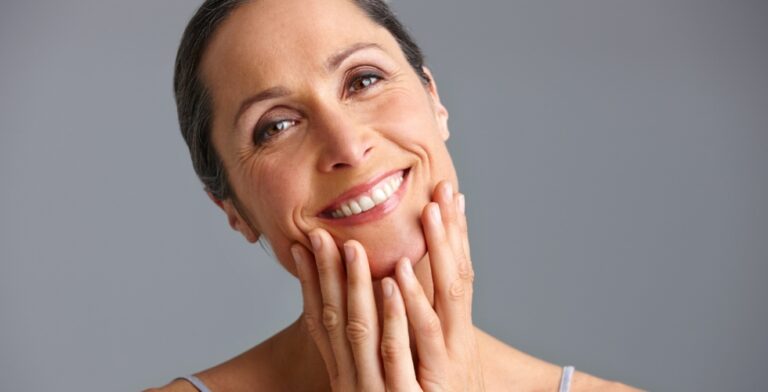
A before and after image is persuasive because it looks like proof. It is only proof if the one thing that changed between the two images is the skin. Phone and tablet apps for self-captured photos keep getting better, but they cannot control the things that matter most: the light, the angle and the distance.
What changes in a self-taken photo
The same face photographed twice at home can look like two different results. Light from a window shifts with the time of day and the weather. Overhead bathroom light deepens lines and shadows; light from the front flattens them. Tilting the head a few degrees changes how texture, pores and contours read, and moving the camera closer changes proportions. Phone cameras also adjust exposure, color and sharpness on their own, image by image. Any of these can make a product look better, or worse, than it is.
What our studio controls
VCS study images are captured in a dedicated studio by our photography team, to a written procedure:
- lighting is set by procedure for each body area and kept the same at every visit;
- camera settings are fixed for the study, not left to automatic adjustment;
- panelists are positioned the same way each time, so the angle and distance match;
- panelists arrive with clean skin and no makeup, jewelry or piercings in the photographed area.
Every image is labeled and stored by our photography team and reviewed by our Quality Department before it is delivered.
Images that hold up to scrutiny
Because baseline and follow-up images are captured the same way, the comparison is fair, and image analysis can measure the change. That is what lets an image support a claim in an ad, on a retailer page or in front of a reviewer who asks how it was taken. Explore examples on our Before and After Photography page.
When the app is enough
Self-taken photos can be useful for consumer engagement or informal feedback. When the image needs to support a claim, it needs a studio.
Read How a VCS study works, or contact our team to add photography to your study.