A moisturizer study can show a strong result for the wrong reason. If the first visit happens on a cold, dry morning and the last on a humid afternoon, the hydration readings will move, and the product will get the credit. That is why every VCS measurement visit starts the same way, in the same conditions, before anyone touches an instrument.
Skin reacts to its surroundings within minutes
The outer layer of the skin trades water with the air around it. Warm, humid air slows water loss; cold or dry air speeds it up. Sweat, a hot shower, a walk in the wind or the heat from a car’s vents all change how the skin reads in the minutes that follow. Instruments that measure hydration, water loss, oil, color and elasticity are sensitive enough to pick up those changes, which is what makes them useful and also what makes them easy to fool.
What we control at every visit
Our measurement rooms are held at 20 to 24 °C (68 to 75 °F) and 30 to 70% relative humidity, the conditions set out in the work instruction for each instrument. Panelists follow the same routine before every visit:
- the night before, they wash the test area and apply nothing afterward;
- on the day, they arrive with clean skin and no makeup, moisturizer or other product on the test area;
- at the clinic, they wash the test area again with a standard gentle cleanser, using the same method each time;
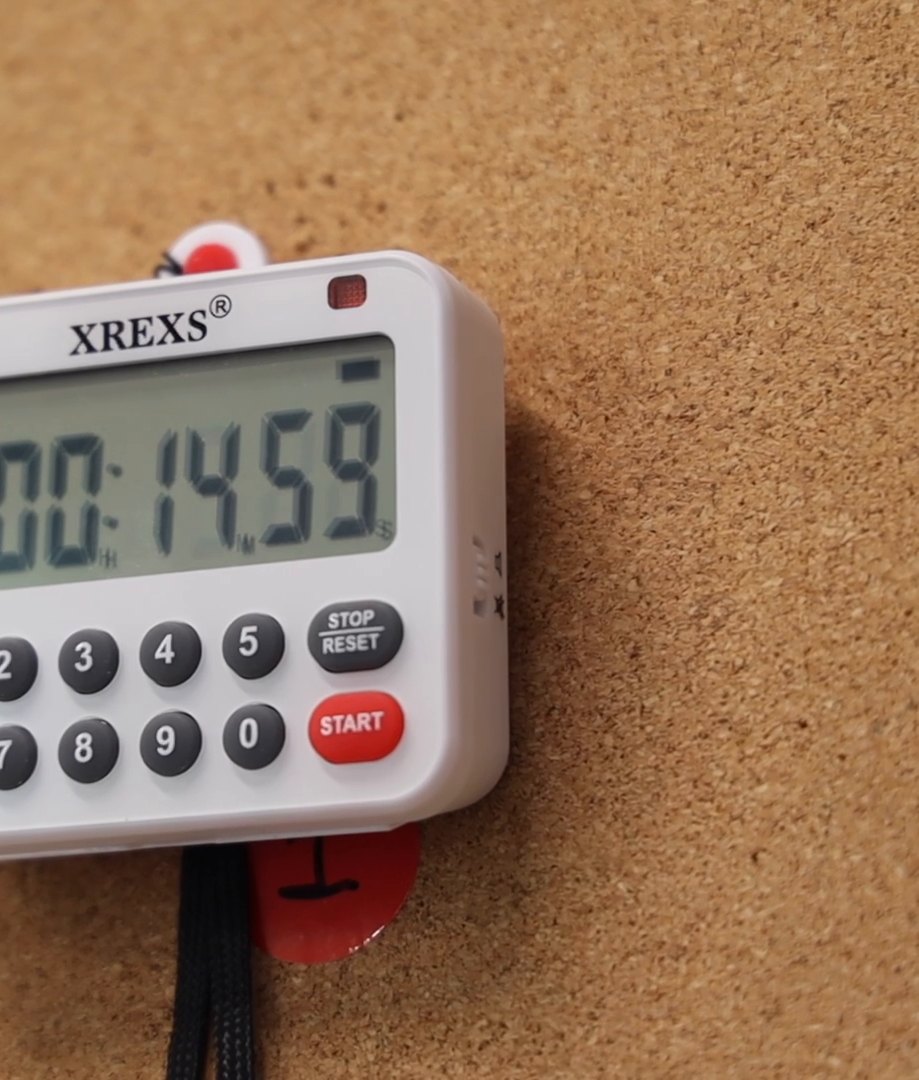
- they then acclimate in the controlled room for at least 15 minutes before the first measurement.
Our staff confirm each step is done and record it in the electronic case report form.
Why the same routine every time matters
A clinical claim compares the skin at a later visit with the same skin at baseline. The comparison is only fair if everything except the product stays the same. Fixed room conditions, the same wash and the same acclimation time remove the day-to-day noise, so the difference we report comes from the product, not from the weather or the panelist’s morning.
It also keeps the instruments honest. Each one is qualified, calibrated and run to its own written work instruction, and those instructions assume controlled conditions. Measuring outside them would mean the readings no longer mean what the instrument says they mean. See the instruments we use on our Instrumental Evaluations page.
What this means for your claim
When a claim reads “increases skin hydration by X% after 8 hours”, a regulator, a retailer or a competitor may ask how it was measured. A study run in a controlled room, with a documented wash and acclimation routine, gives a clear answer. A reading taken at home, in whatever conditions the day brings, does not.
For more on why controlled conditions matter, read The Importance of Clinical Testing in a Temperature- and Humidity-Controlled Environment.
See every step of a study in How a VCS study works, or contact our team to plan yours.