
You tell us the claim. We measure it in person.
How long a study takes
- 4 to 8 weeks from quote to first visit, including the protocol, IRB review and recruitment.
- The in-clinic phase is set by your protocol, for example 8 weeks for an anti-aging study.
- 3 to 4 weeks from the last visit to the final report. Topline data in as little as 2 weeks, at an extra charge.
Step 1: Plan the claim and the protocol
Step 2: Ethics review
Step 3: Your product arrives
Step 4: Recruit and screen
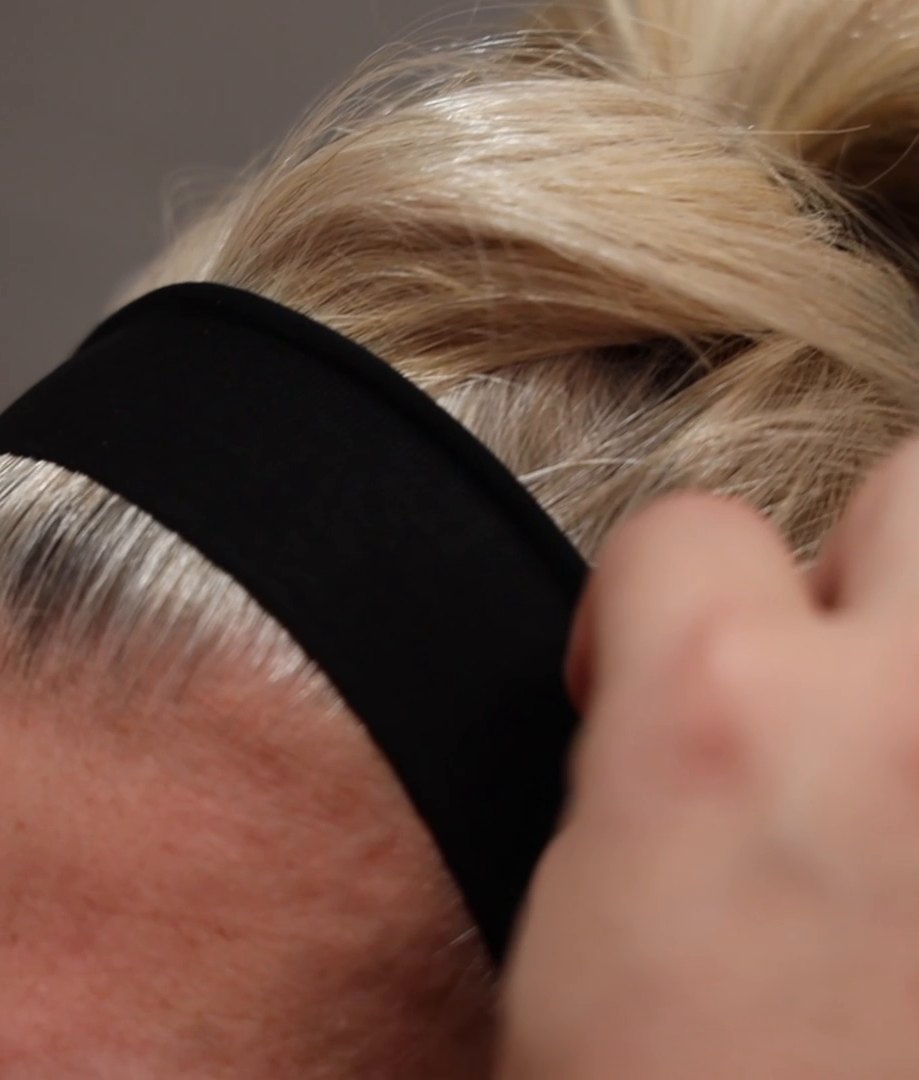
Step 5: In-clinic visits
- a trained expert grader assesses the skin or hair in person, on anchored scales;
- calibrated instruments measure hydration, barrier function, elasticity, color and more;
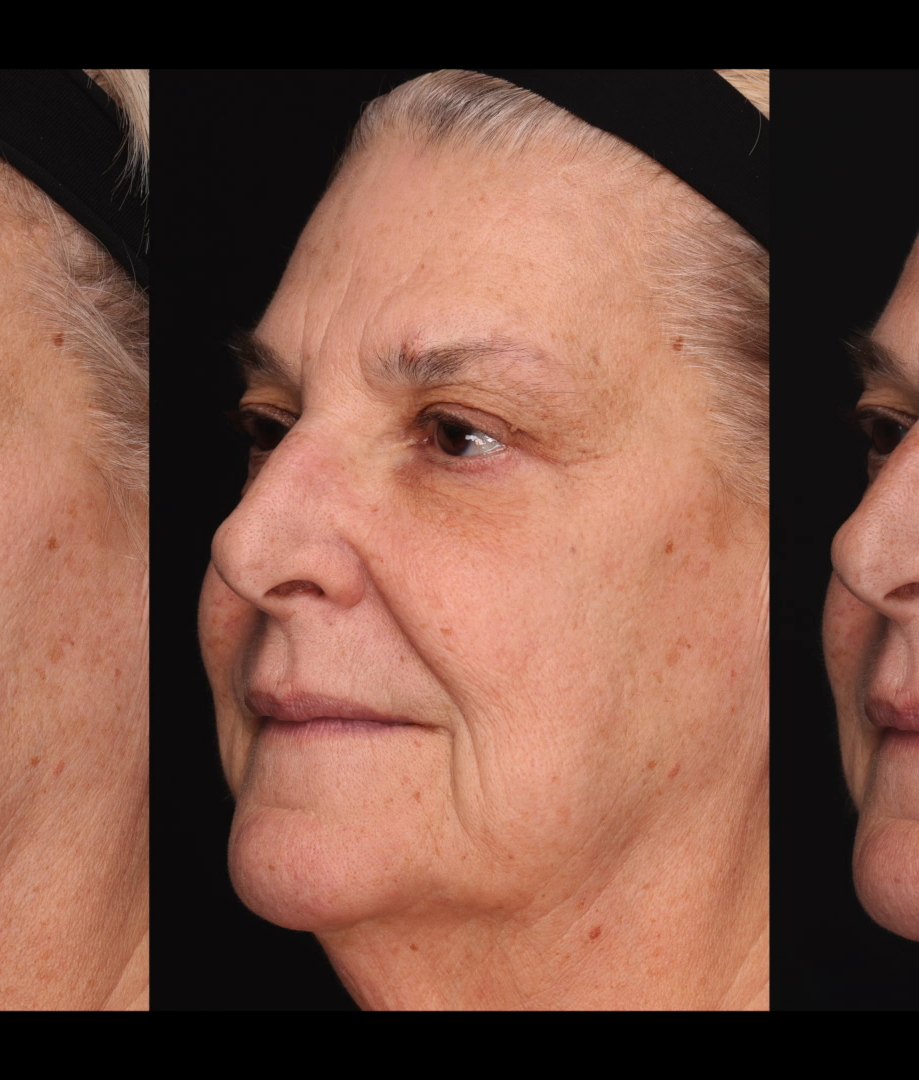
- our photographer captures images in a dedicated studio with fixed lighting, camera settings and positioning;
- panelists answer the study questionnaire electronically in Datacapt.
In-clinic or at home: what changes in the data
At-home studies are fast and convenient, and they are a good fit for some consumer perception claims. When a claim says a product measurably improves skin or hair, where and how it was measured decides whether the claim holds up.
| VCS in-clinic study | Typical at-home study | |
|---|---|---|
| Where it is measured | Our Teaneck lab, at every visit | Each participant's home |
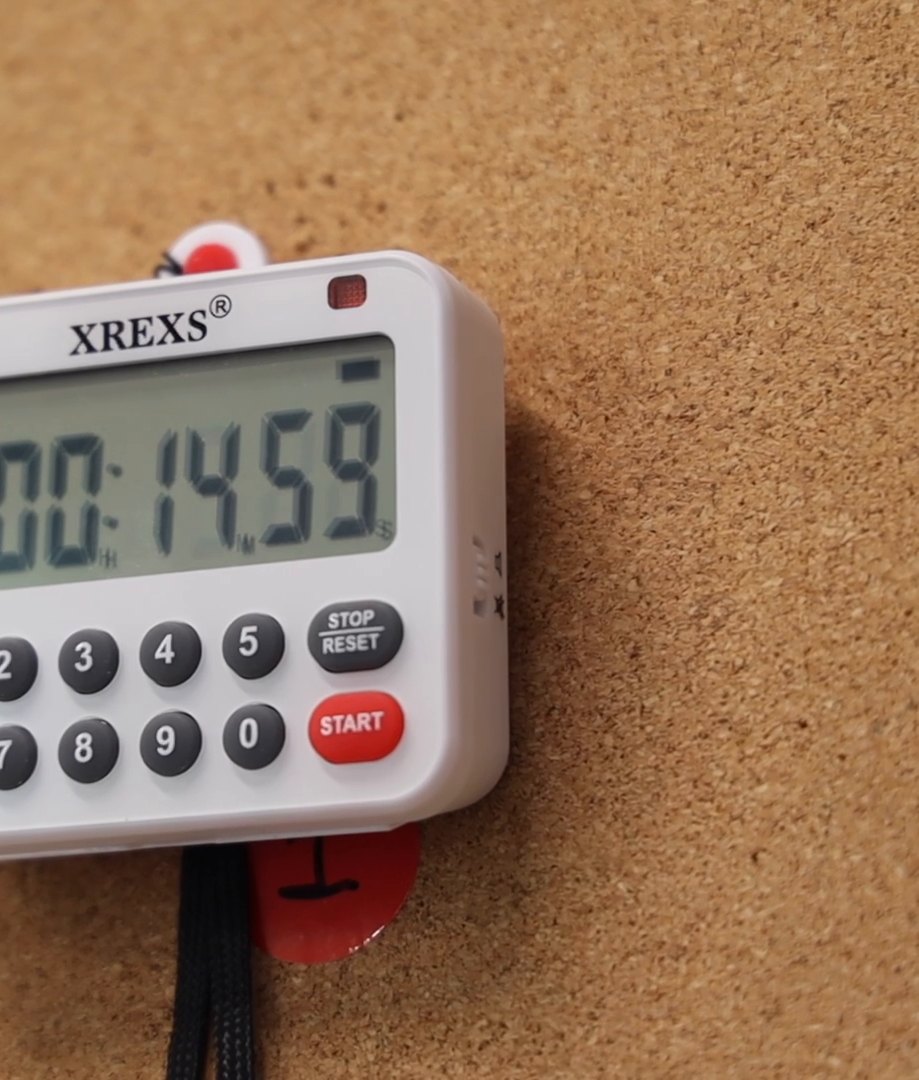
| Conditions | Room held at 20 to 24 °C and 30 to 70% relative humidity, after a standard wash and at least 15 minutes of acclimation | Whatever the home is that day: heating, air conditioning, a recent shower, the time of day, and indoor and outdoor lighting |
| Who assesses the skin | A trained expert grader, in person, on anchored scales | The participant's own rating, or a reviewer looking at photos the participant took on a device, outside controlled conditions |
| Instruments | Calibrated, qualified instruments for hydration, barrier, elasticity, color and more | Usually none for skin |
| Photography | A dedicated studio and a professional photographer, with fixed lighting, camera settings and positioning | A phone or tablet, in the participant's own light and at their own angle |
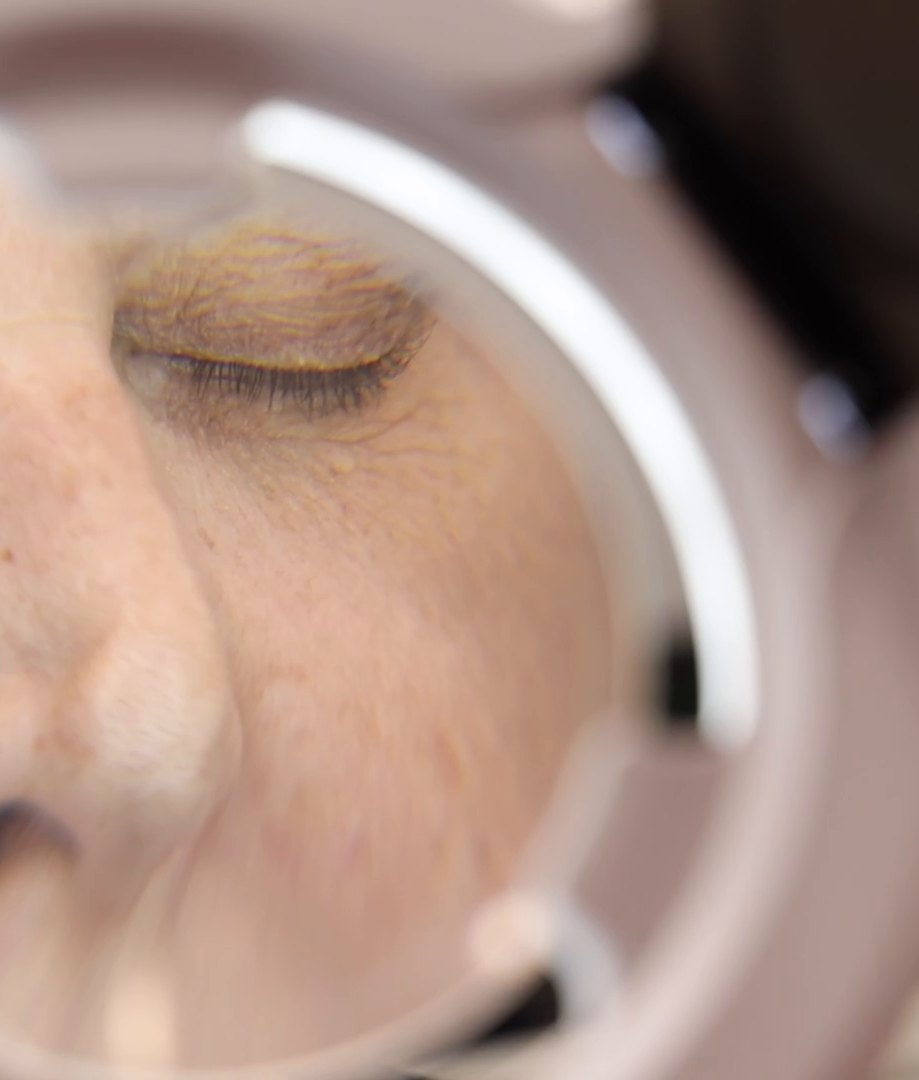
| Why panelists take part | Paid for their time; in most studies, test product is reconciled and returned or disposed of at the end | Compensation can include keeping the product |
| Data checks | Raw data checked against every results table before release, in validated, audit-trailed systems | Varies by provider |
Why controlled conditions matter
Why graders assess in person
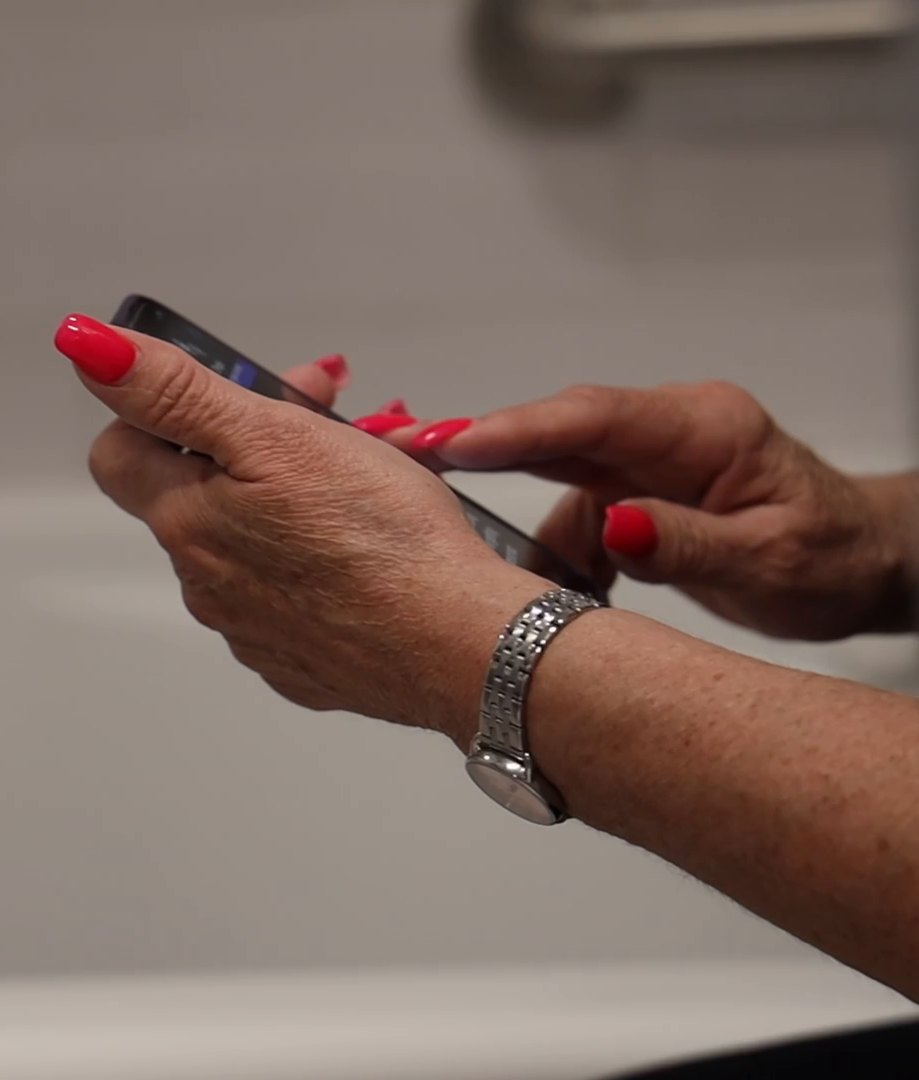
Why we pay panelists instead of giving them product
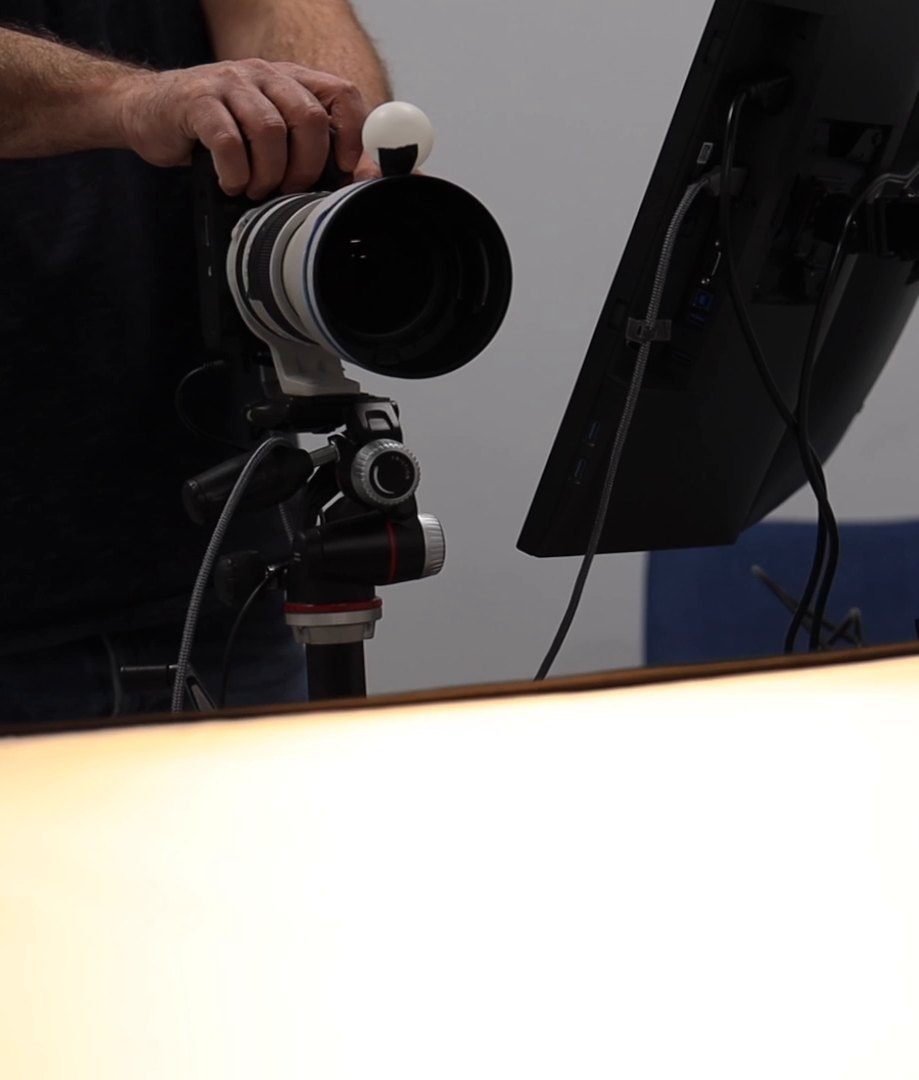
Why photography needs a studio
Planning a study?
Tell us the claim you want to make, and we will send a written proposal for the study that can support it within 48 hours. No NDA is needed for a first conversation; we sign one before you share formulas or confidential data.
From the VCS blog
FAQ
How a VCS Study Works: frequently asked questions
Can I add a consumer perception questionnaire to a clinical study?
Yes. Most VCS studies pair expert grading or instruments with a panelist questionnaire, so one study supports both measured claims, such as a percentage reduction in the look of fine lines, and perception claims, such as the share of panelists who agreed their skin looks smoother.
Why not just run the study at home? It is faster.
For some perception-only claims, an at-home design can work. For claims about measurable change, such as hydration, wrinkles, redness or elasticity, the readings depend on controlled conditions, calibrated instruments and in-person grading that a home cannot provide.
How long does a VCS study take?
Most studies take 4 to 8 weeks from quote to first visit, including the protocol, IRB review and recruitment. The in-clinic phase is set by the protocol, and the final report follows 3 to 4 weeks after the last visit. Topline data can be delivered in as little as 2 weeks at an extra charge.
Do panelists know which product they are testing?
That depends on the protocol. Products are coded on arrival, and we can run blinded and placebo-controlled designs.
Who owns the data?
You do. The report, the data and the study images, where included, are delivered to you.
Can I visit the lab?
Yes. Sponsors are welcome to tour the lab and audit our quality system.