





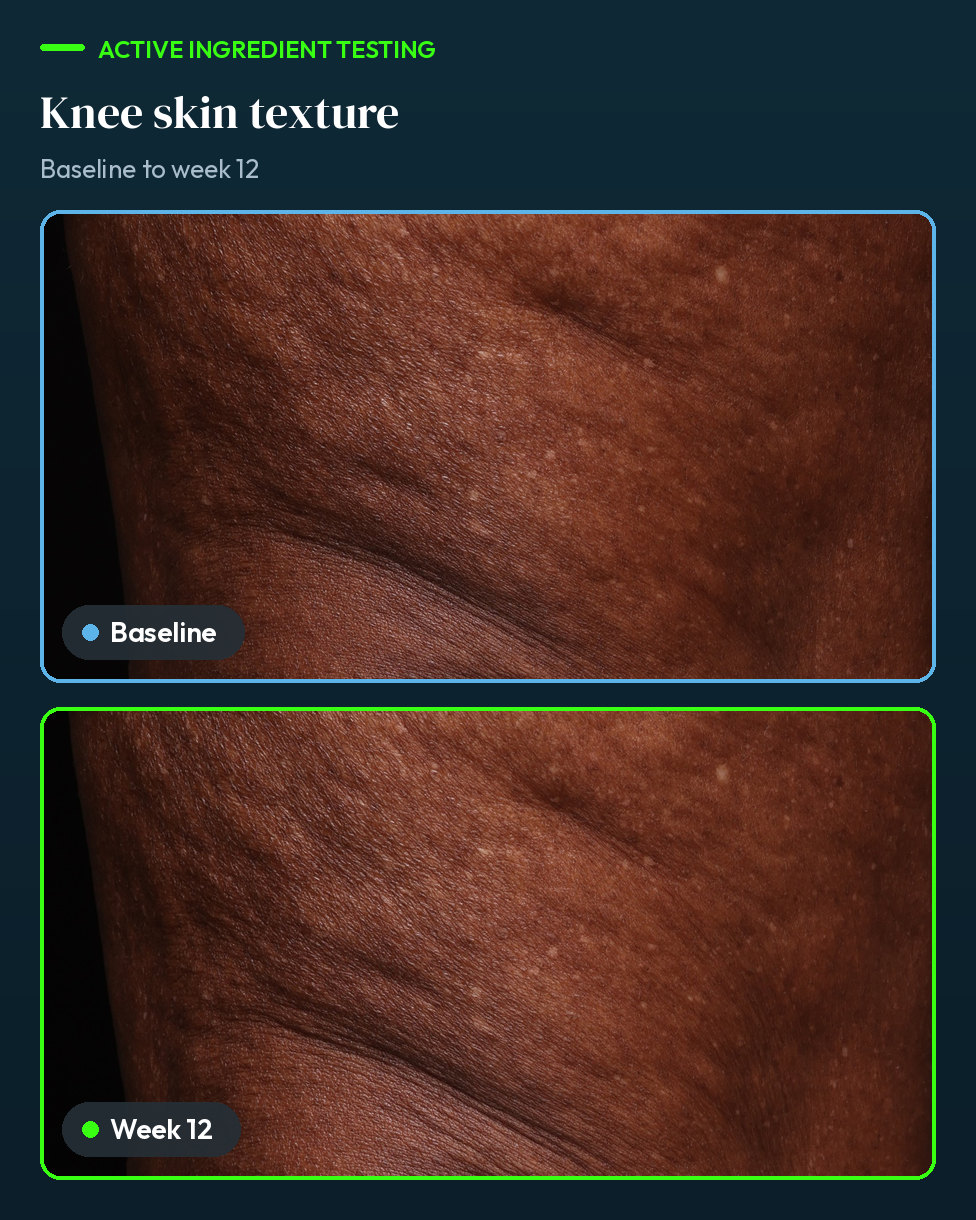
OTC Ingredient And Cosmetic Actives Pilot Studies
Validating Your Next Active Ingredient Claims, Clinically
- Acne and Lesion Testing
- Certain Hyperpigmentation Ingredients
- Dandruff Control
- Retinol based Anti-Aging Claims
- Hair Growth Studies
- Anti-perspirant Testing
Institutional Review Board for Drug Product Testing
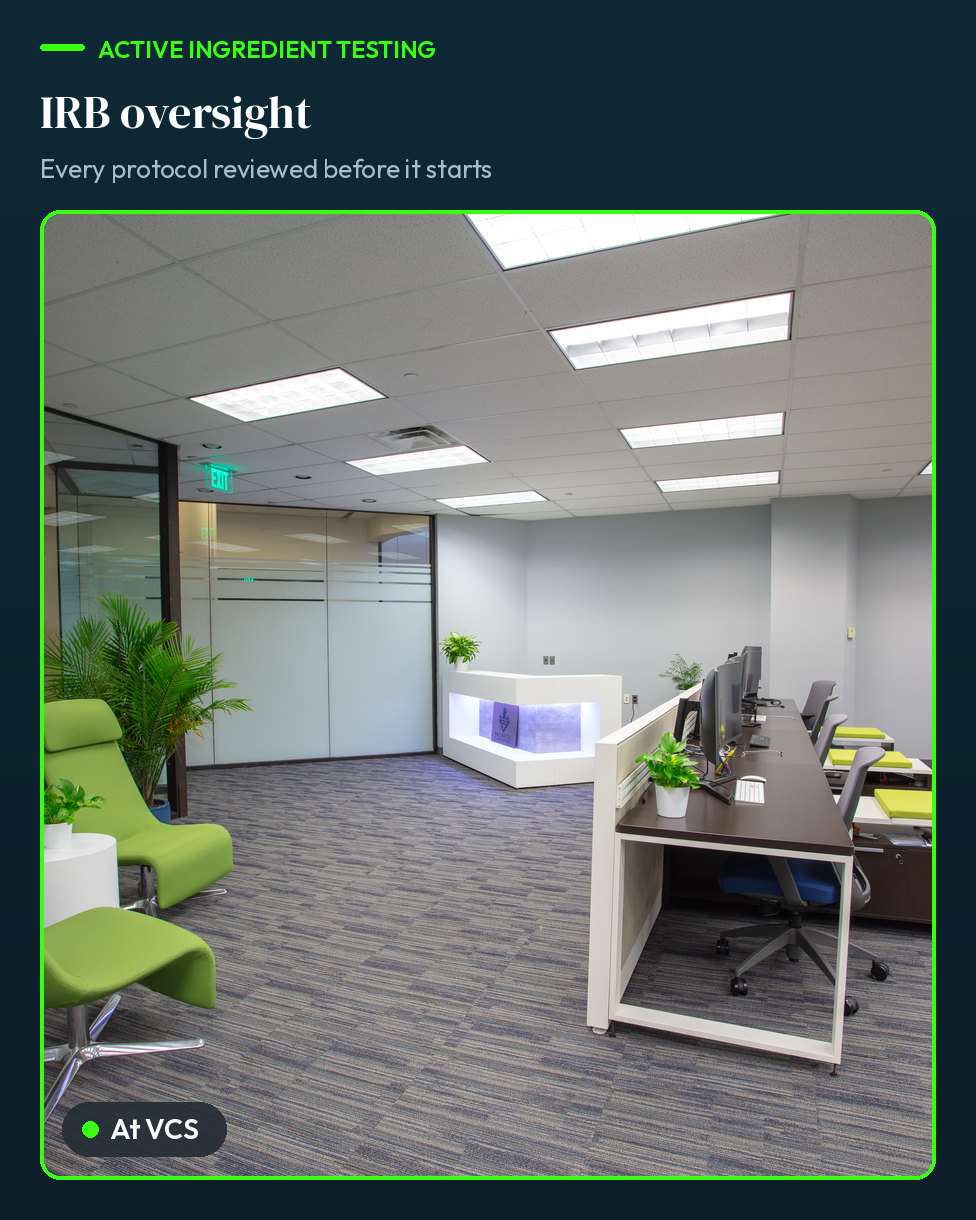
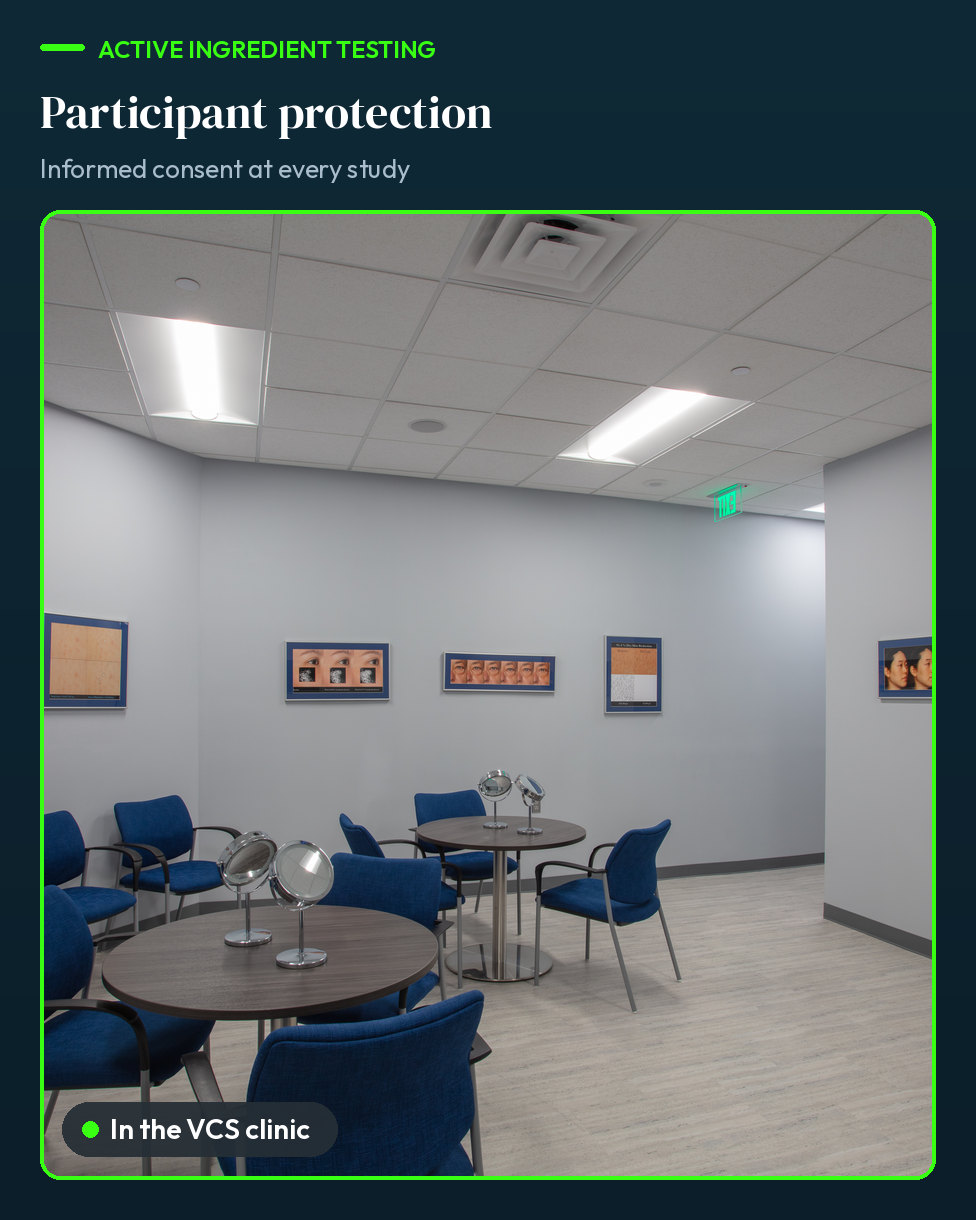
Allendale IRB (Regulatory and Technical Associates) for Cosmetic Studies

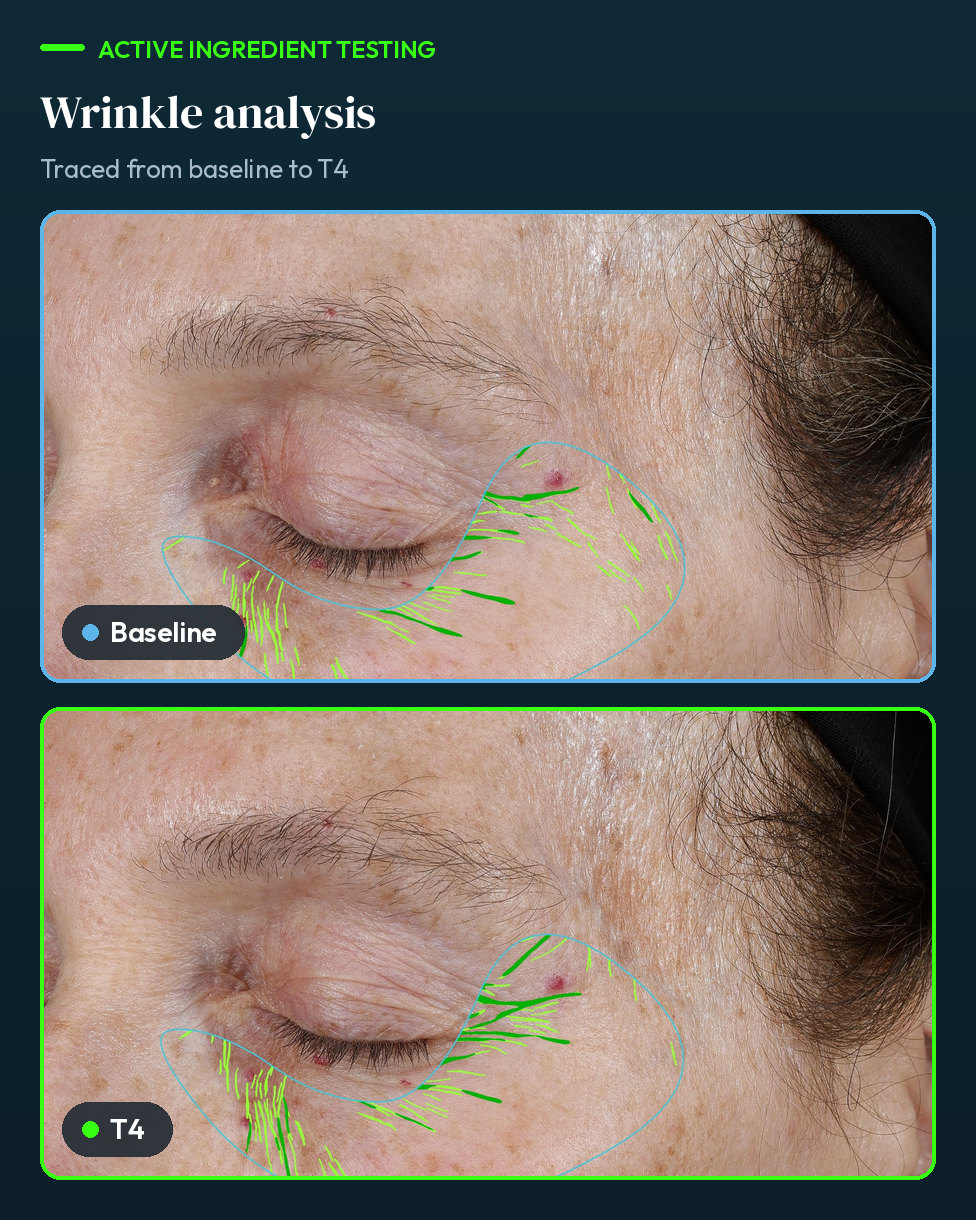
Pilot Studies and Preliminary Efficacy for Topical Drugs
Clinical photography
Before & After Photography: Custom Teaneck NJ Studio
Clinically Validated, High Resolution Before and After Images and Analysis Over Time. Validated Claim Support uses high-resolution clinical photography to document how a product performs over a treatment timeline or product usage cycle.
See our before and after photographyGet a quoteSee the gallery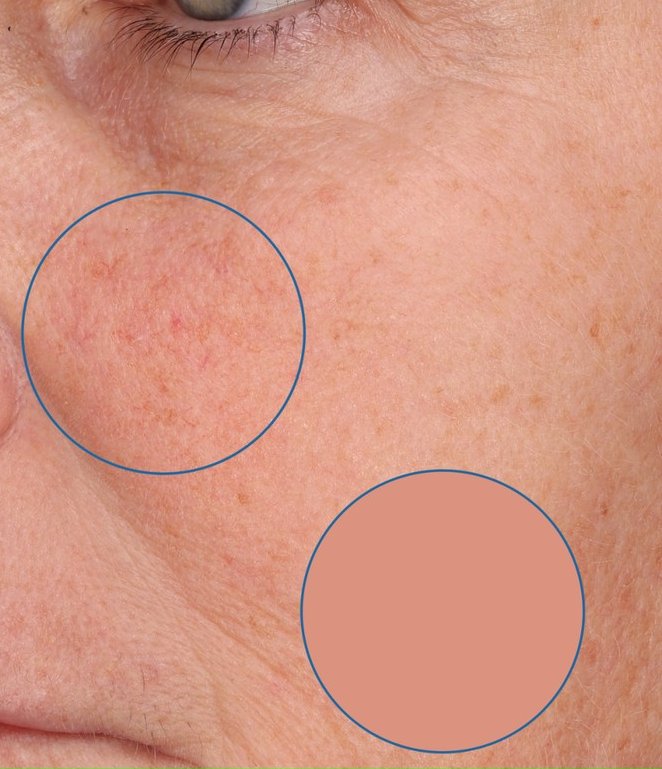
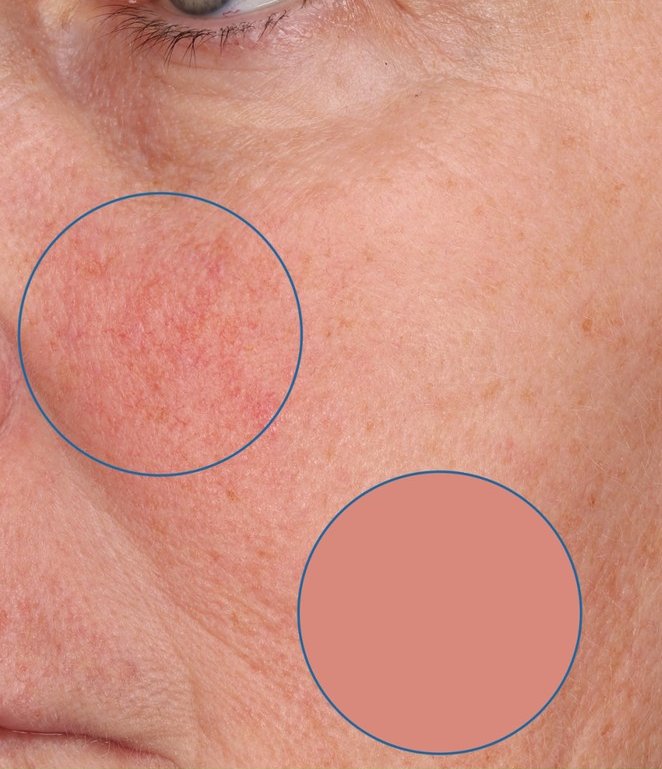
Redness reduction: 44% less redness from baseline to week 2. The lower circle shows the average skin color in the treated area. Drag to compare.
Before and after case studies

Hair Growth Efficacy And Clinical Density Improvement →

Hair Density And Hair Growth Clinical Imaging Side Profile →
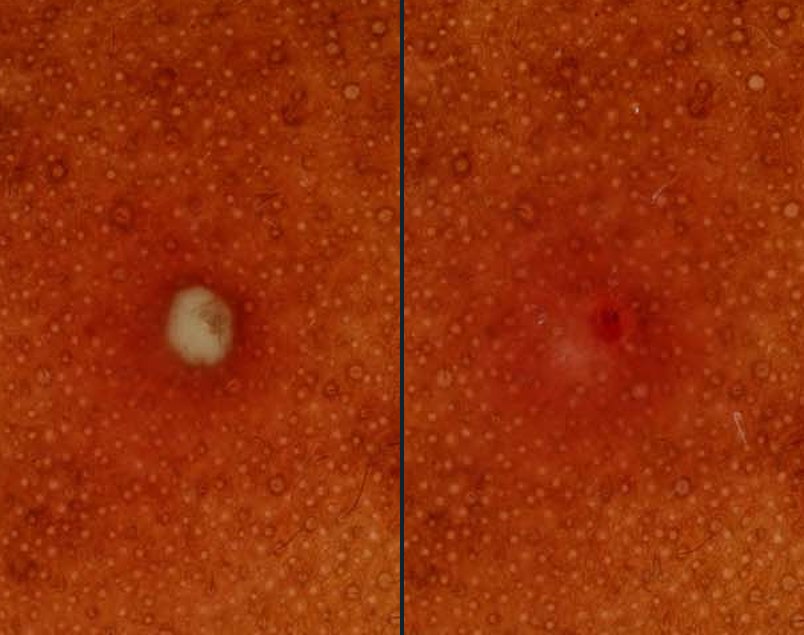
Full Face Acne Reduction Lesions With Analysis →

Dry Scalp And Dandruff Improvement Clinical Study Photo →

Anti-Aging, Wrinkle Reduction And Clinical Claim Support Imaging →

Full Face Before And After Anti-Aging And Fine Line Reduction →

Pore Size Reduction Clinical Photograph →
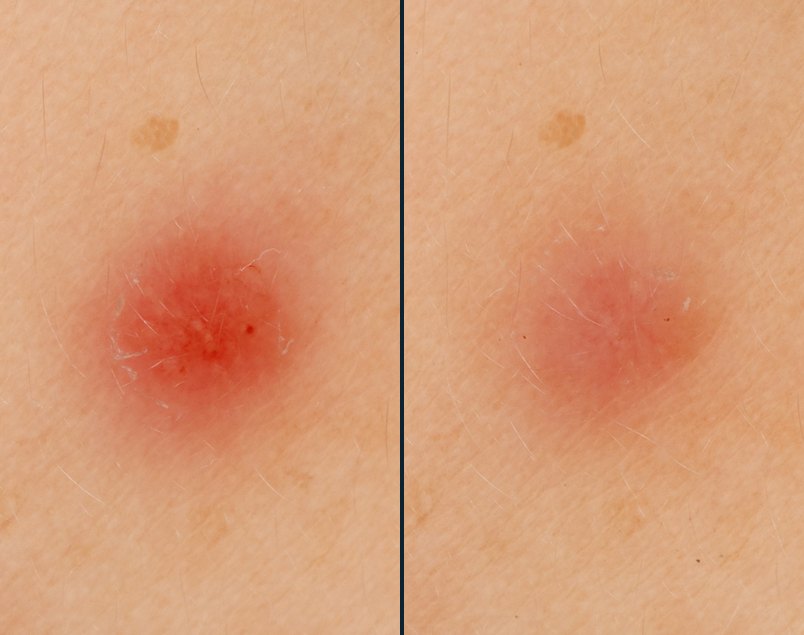
High Resolution Redness Reduction →
Expert Clinical Grading
Trained graders score visible changeSupports claims like “Clinically proven to reduce the appearance of fine lines and wrinkles”
Learn more →Biomarkers and Microbiome
Tape strips, swabs and collectionsSupports claims like “Microbiome friendly” and “Won’t disrupt the skin’s natural microbiome”
Learn more →Biophysical Instrumentation
Hydration, TEWL, elasticity, colorSupports claims like “Hydrates by up to 87% in as little as one use”
Learn more →Peer-Reviewed Writing
Clinical and scientific publicationsScientifically validated study summaries for publication in peer-reviewed medical journals
Learn more →Before and After Photography
Controlled, reproducible clinical imagingSupports claims like “Up to a 44% reduction in redness in as little as 2 weeks”
Learn more →Consumer Perception
Panelist questionnaires and self-assessmentSupports claims such as “97% of women agreed their skin felt smoother and more supple”
Learn more →Start a Conversation About Your Product Study
Tell us about your product, your intended claims, and your timeline. Our business development team will review your needs and follow up with a customized proposal, typically within one business day. There is no cost for the initial consultation or study design review.
FAQ
Active Ingredient Testing: frequently asked questions
Where should OTC active ingredients be tested?
Over-the-counter products and active ingredients should be tested only at an FDA registered facility. Validated Claim Support registered with the FDA before it opened its doors, and its current registration can be checked in the FDA's drug establishment registration search.
Which active ingredient studies does VCS commonly run?
Common over-the-counter ingredient studies at Validated Claim Support include acne and lesion testing, certain hyperpigmentation ingredients, dandruff control, retinol-based anti-aging claims, hair growth studies and antiperspirant testing.
Do active ingredient studies need IRB review?
Validated Claim Support generally recommends submitting studies with known irritants or OTC-level ingredients to an Institutional Review Board, or ethics committee, for a full third-party safety review. VCS also recommends an external IRB for medical devices or drug delivery systems and for at-risk panels, and handles all documentation and submission.
Which IRBs does VCS work with?
Validated Claim Support maintains relationships with Allendale IRB, and is happy to work with any other third-party IRB a sponsor prefers, although a submission to a new IRB may take additional time.
How should I test different concentrations of an active ingredient?
When a sponsor is still honing in on the best active concentration, Validated Claim Support often recommends a pilot study on 5 to 10 subjects to compare concentrations directly. This is not always possible for facial or long-term products, but it is a powerful, cost-effective way to begin claims support.
How many subjects does a final active ingredient claim study need?
For final claim support studies, Validated Claim Support recommends completing the study with a minimum of 30 subjects for statistical significance, which is also the widely accepted industry standard. Clinical photography can be added on a small subset of subjects to help demonstrate active ingredient efficacy.
Why do ingredients like retinol need extra care in testing?
Active ingredients such as retinol are known to have some irritating properties, and irritants must be treated with an additional standard of care. If you use regulated or monograph-level actives, follow all posted rules and guidelines, and consider going beyond basic cosmetic safety testing.