
How VCS compares to other testing labs
Most brands talk to two or three labs before they book a study. This page lists the questions worth asking every one of them, and how VCS answers each one. Use it as a checklist, whoever you choose.
Questions to ask any testing lab
| Ask this | Why it matters | The VCS answer |
|---|---|---|
| Where are the panelists assessed? | Skin changes with temperature and humidity. Results are only comparable when every visit happens in the same conditions. | In our FDA registered and inspected lab in Teaneck, NJ, in rooms held at 20 to 24 °C and 30 to 70% relative humidity at every visit. |
| How are panelists screened? | A panelist who does not have the condition you are treating cannot show improvement in it. | Every panelist is screened in person at our lab before enrollment, so visible conditions are confirmed by our staff, not self-reported. |
| Who grades the results? | Self-reported scores and expert grading answer different questions. Claims that rely on visible change need expert assessment. | Trained graders assess panelists in person, alongside instrument measurements and panelist questionnaires. |
| How are the photographs taken? | Before-and-after images only support a claim when lighting, position and camera settings match at every visit. | A controlled photography studio with a professional photographer, plus standardized clinical imaging. Every delivered image is unretouched. See the gallery. |
| Can we audit the study? | Your claim is only as strong as the records behind it. | Yes. Our study records are paperless, and we invite sponsors to audit any and every visit. |
| Who on the team is trained in GCP and HIPAA? | Everyone who touches panelist data or study records affects data quality and privacy. | Our entire staff is GCP and HIPAA certified, not only the clinical team. |
| What quality system runs the studies? | A quality system decides how errors are caught before data reaches your report. | A quality management system we built from the ground up for our own studies. Our Quality Department checks the data against every results table. |
| Who answers when we have a question? | Fast, informed answers keep a study on schedule. | VCS is owner operated. Our founders are deeply involved and answer all client outreach directly. |
| Can one lab run the whole study? | Splitting a study across vendors adds handoffs, delays and gaps in the record. | Consumer perception, efficacy instruments, expert grading and photography all happen under one roof. |
| What happens after the report? | A claim has to be shown to shoppers and retail buyers, not only filed. | We build custom digital tools for clients, such as interactive before-and-after viewers and image analysis overlays, so your customers can see the results the way we do. |
How our photographs compare
Search for clinical before and after photos and most look like the examples on the left: eyes closed, a hard flash, a chin rest in the frame, and light that shifts between visits. On the right is a redness study shot in our clinical studio.
Typical clinical photos
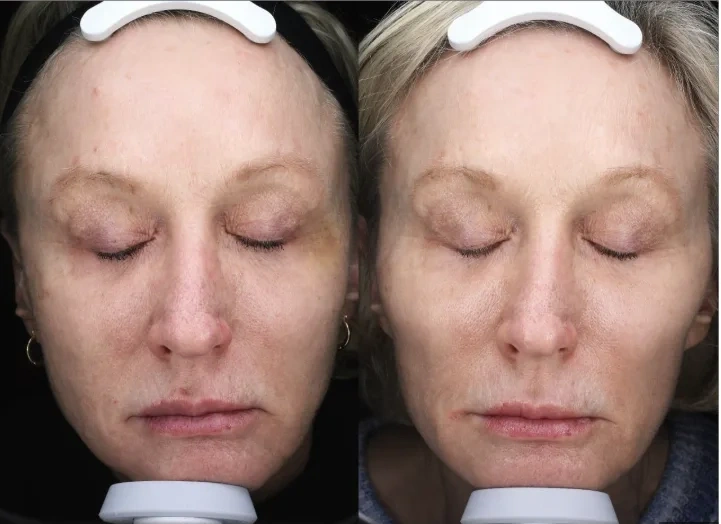
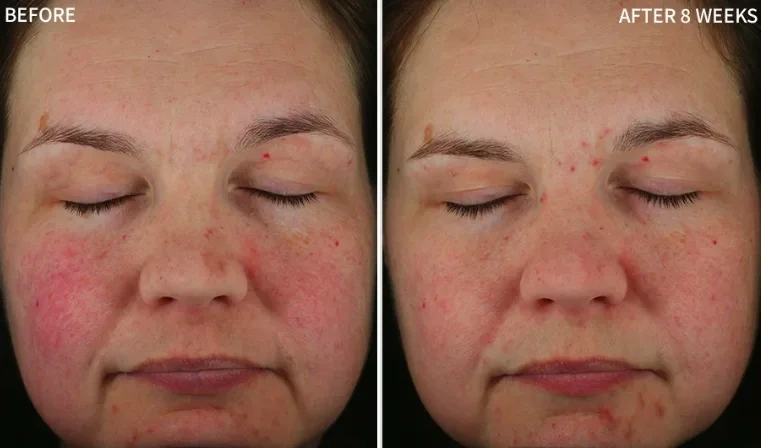
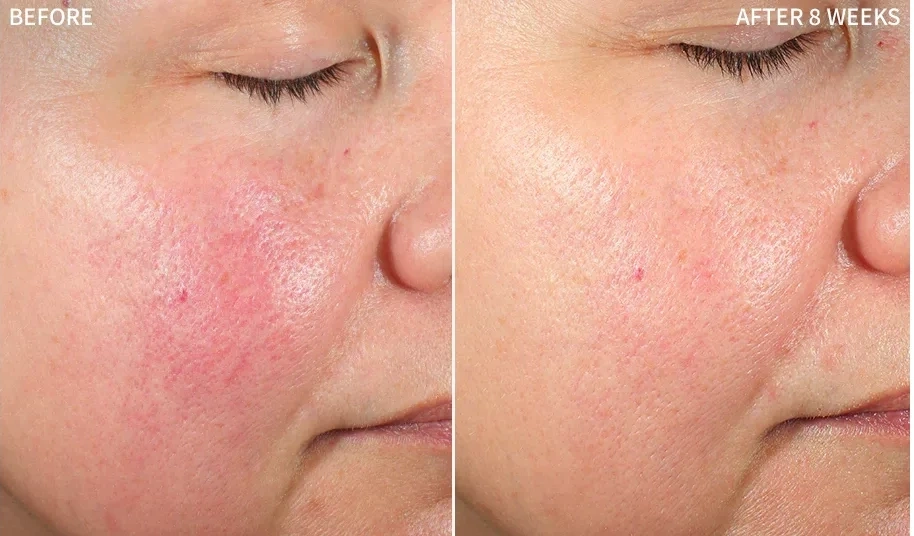
Examples from around the web. These are not VCS images.
VCS clinical studio
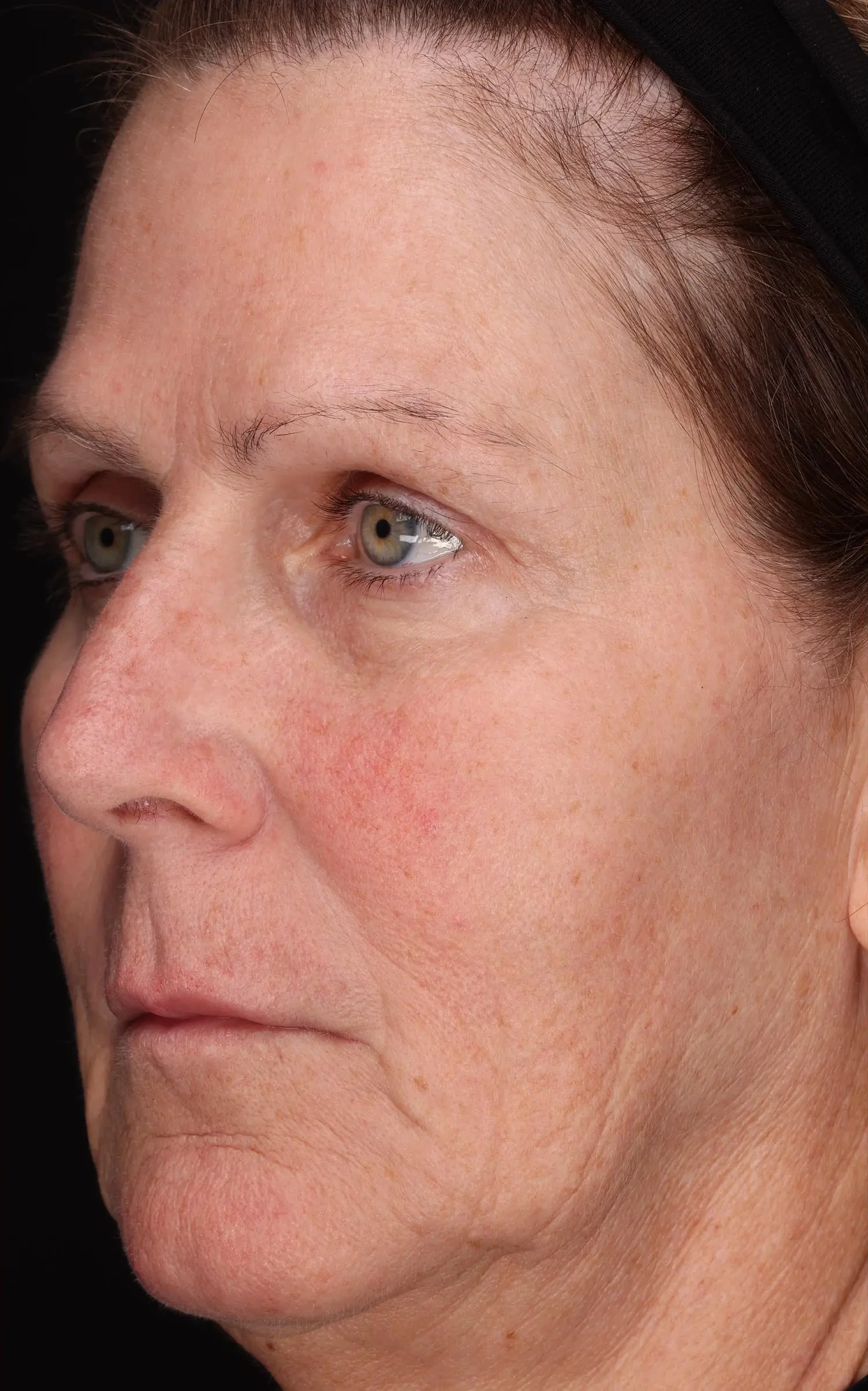
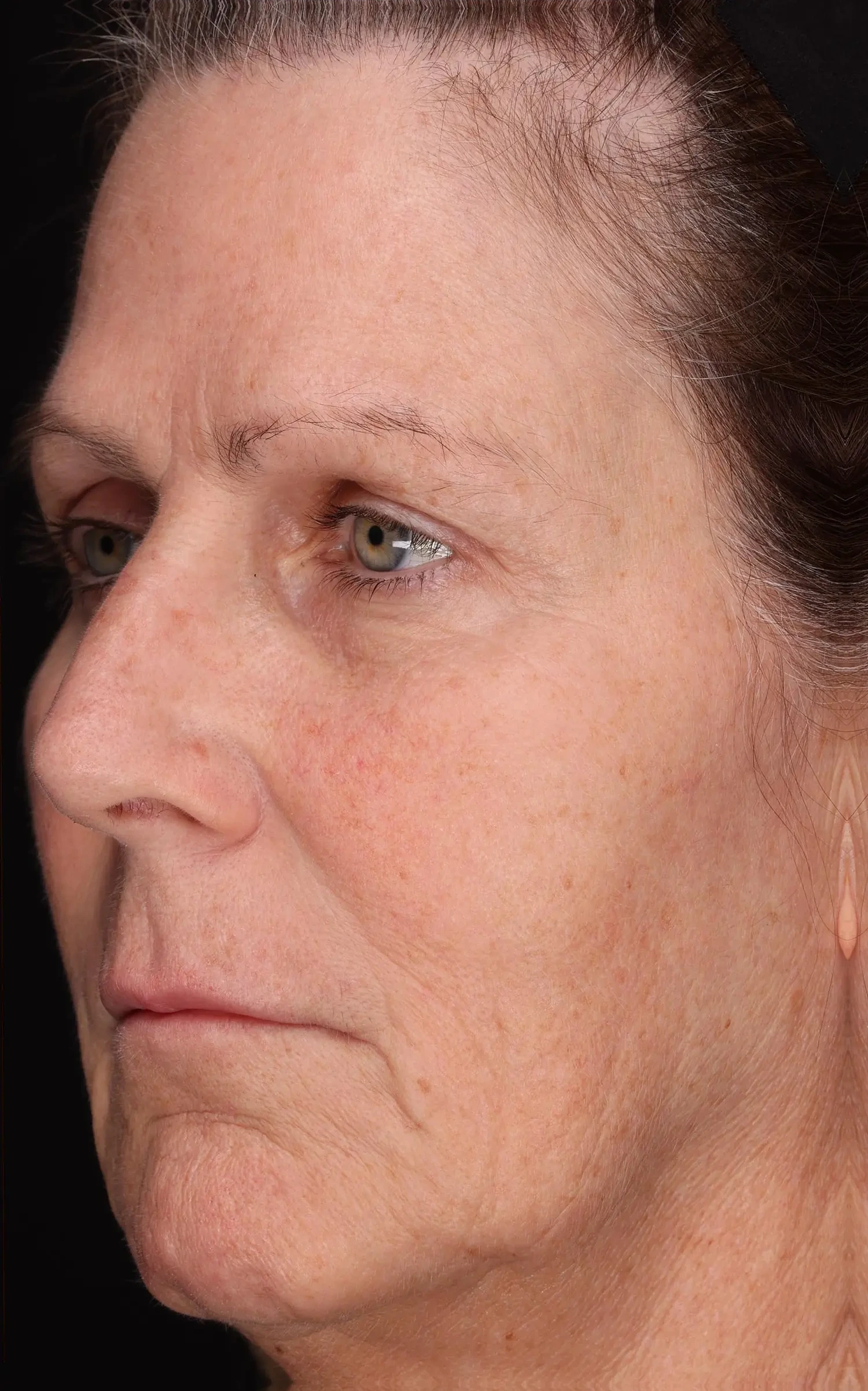
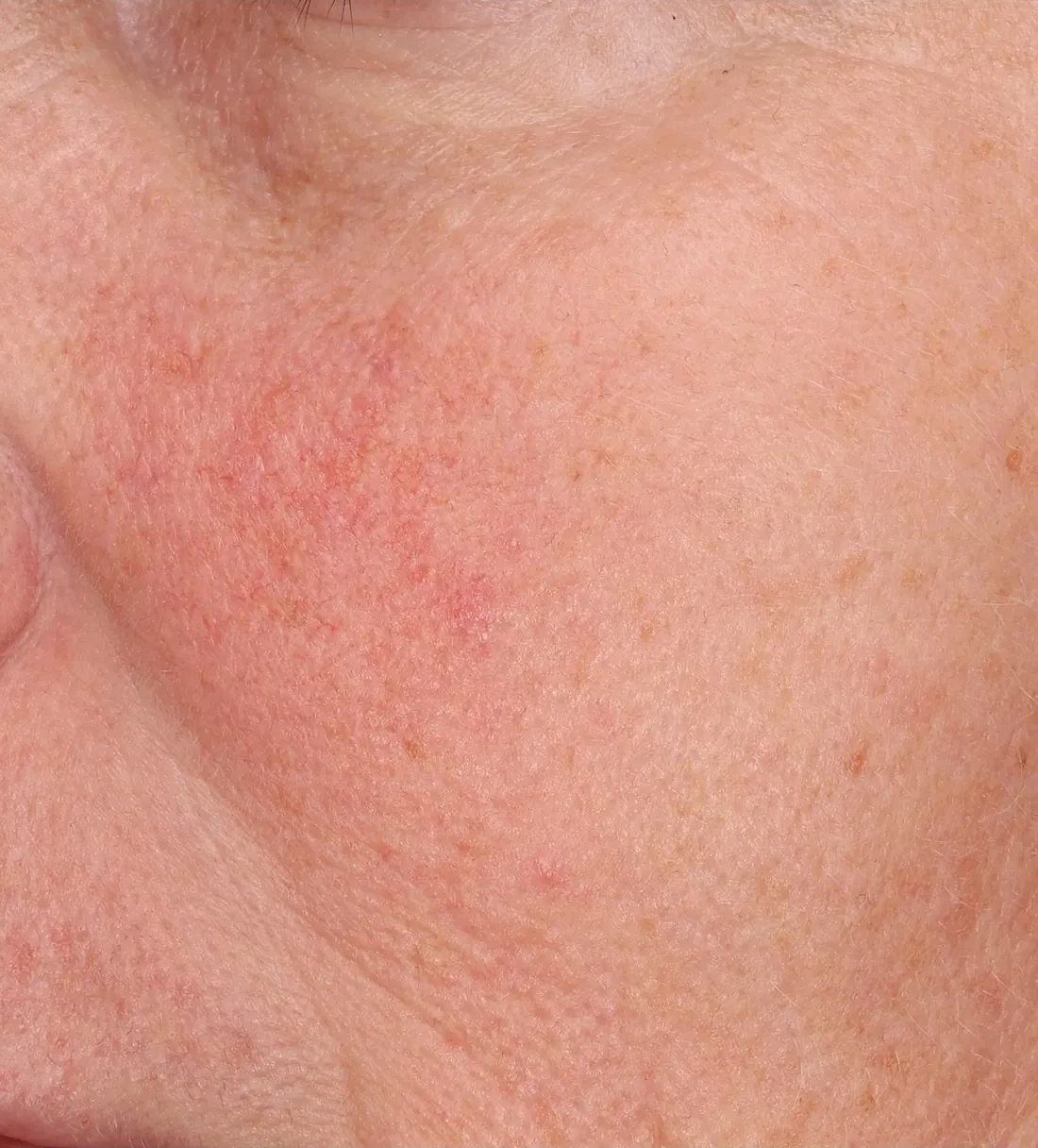
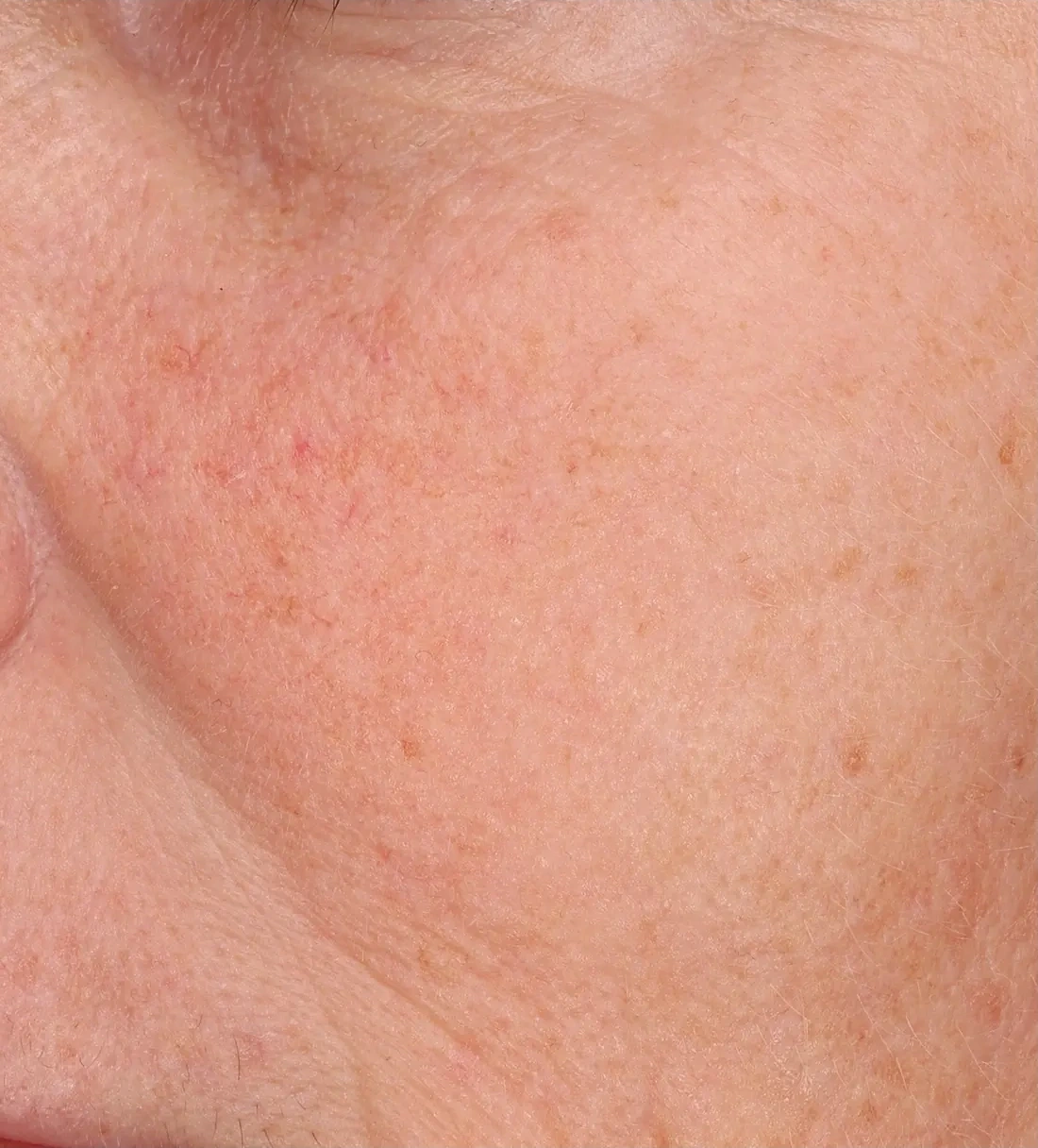
- Eyes open and a natural expression, so the photo reads as a person
- A headrest kept out of the frame and a black headband that blends into the background
- Black background, so no light bounces back onto the skin
- 25.4 megapixels per frame, true color, every delivered image unretouched
See the full photography comparison
In-clinic studies compared with at-home studies
At-home research companies send questionnaires to consumers who use the product in their own homes. That model answers some questions well, such as how consumers feel about a product. It cannot measure visible change under controlled conditions.
| VCS in-clinic study | At-home questionnaire study | |
|---|---|---|
| Assessment | Expert graders and instruments, in person | Panelist self-report |
| Conditions | Controlled temperature and humidity | Each panelist’s own home |
| Screening | In person, before enrollment | Online questionnaire |
| Photography | Studio and clinical imaging by our staff | Usually none, or photos taken by the panelist |
| Best for | Efficacy claims that rely on visible or measured change, plus consumer perception | Consumer perception claims only |
Approved for retail claims
- VCS is approved by QVC and HSN for clinical claims and photography.
- Every study gets a written protocol designed around your claim, and IRB review through Allendale IRB when the study requires it.
- The final report belongs to you.
Questions
Is VCS the cheapest lab?
Not always, and we do not compete on discounts. Our prices reflect in-person screening, controlled rooms, expert grading and studio photography. Starting prices are on our pricing page.
Can I visit or audit my study while it is running?
Yes. Our records are paperless and sponsors are welcome to audit any visit. Tell us when you would like to come and we will arrange it.
Do you only run efficacy studies?
No. We run consumer perception, efficacy with instruments and expert grading, safety and irritation testing, and clinical photography, often in the same study.
What does custom coding after the study mean?
We build interactive tools from your study data and images, such as before-and-after viewers and analysis overlays, for your website, retail partners or sales team. Ask about this when you request a quote.
Put us on your shortlist
Send us the claim you want to make and your timeline. You will get a customized proposal with the study design and price, typically within one business day. No NDA is needed for a first conversation.
Where to next
Keep exploring
Start a Conversation About Your Product Study
Tell us about your product, your intended claims, and your timeline. Our business development team will review your needs and follow up with a customized proposal, typically within one business day. There is no cost for the initial consultation or study design review.