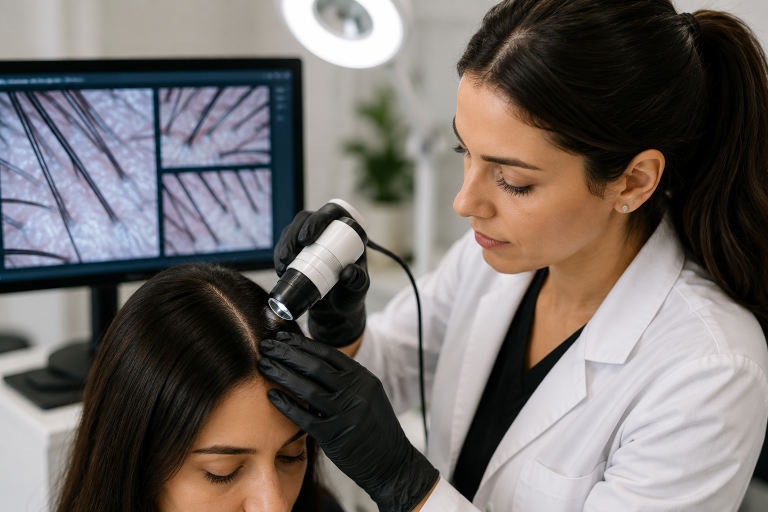
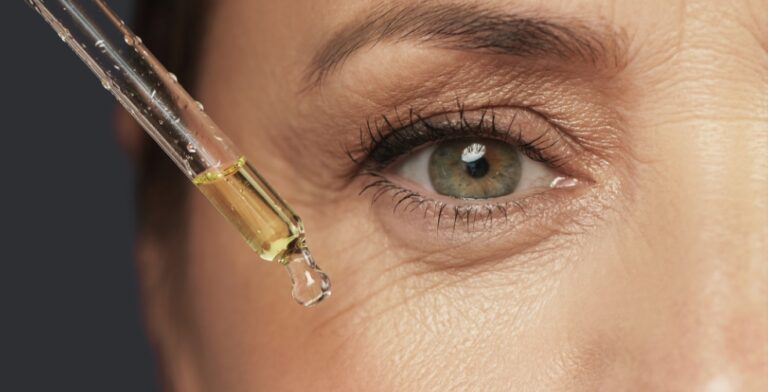
The concept of healthy skin is multifaceted, encompassing various attributes that contribute to its overall well-being. These attributes include moisture content, texture, color, elasticity, pore size, blemishes, imperfections, and the impact of sun damage, age or irritation. Evaluating these factors is not just a matter of aesthetic appeal; it is a scientific process that provides valuable insights into skin health and product efficacy.
Validated Claim Support (VCS) specializes in evaluating these aspects of skin health through advanced techniques and expert visual clinical grading, helping brands substantiate their claims and build consumer trust. This comprehensive approach ensures that products are backed by scientific rigor, giving customers a “reason to believe.”
What Defines Healthy Skin?
Healthy skin is much more than just clear and smooth; it is a reflection of the body’s overall health and its ability to withstand environmental challenges. Several factors contribute to the determination of skin health. Proper moisture content ensures that the skin remains supple, hydrated, and free from dryness or flaking. Texture plays an equally significant role, with a smooth, even surface devoid of rough patches or irregularities serving as an indicator of good skin condition.
Color is another important attribute, with a uniform tone and the absence of discoloration or hyperpigmentation being hallmarks of healthy skin. Elasticity, or the skin’s ability to recover its shape after stretching, demonstrates resilience and the presence of vital components like collagen. Pores should be minimally visible and free from blockages, maintaining an even and refined appearance.
The absence of blemishes, acne, scars, and other imperfections indicates balanced skin health, while protection against sun damage and irritation is essential. Skin that shows no signs of redness, peeling, or UV-related harm points to effective care and protection.
Evaluating these factors requires a combination of advanced techniques, precise measurements, and expert analysis. These evaluations provide reliable data that help support product claims, ensuring consumers can trust in their effectiveness.
Methods for Evaluating Skin Health
Expert Visual Clinical Grading
Expert visual grading is a qualitative method that involves trained clinicians assessing the skin for specific characteristics such as texture, tone, and imperfections. This evaluation provides a detailed and holistic view of skin health, complementing quantitative data.
Validated Claim Support employs dermatologists and clinical experts who use standardized grading scales to ensure consistent and reliable assessments. Their evaluations are integral to understanding the efficacy of skincare products and treatments.
Biophysical Instrumentation Measurements
Advanced biophysical instruments provide objective numerical data on various skin attributes, offering quantitative insights that are crucial for clinical evaluations.
- Moisture Analysis: Tools like the Corneometer measure hydration levels in the skin, identifying dryness or improvements after product application.
- Elasticity Testing: Devices such as the Cutometer assess skin firmness and elasticity, providing data on improving sagging skin..
- Color and Tone Measurement: Instruments like the Chromameter evaluate pigmentation changes and uniformity in color and skin tone, which are essential for products targeting discoloration or hyperpigmentation.
High-Resolution Before and After Photography
High-resolution imagery captures detailed visual evidence of skin changes over time. VCS utilizes proprietary photography techniques that ensure consistency in lighting, background, and positioning, making the images a reliable tool for demonstrating product efficacy.
These images are particularly effective for marketing purposes, as they provide clear visual proof of a product’s impact, resonating with both stakeholders and consumers.
Dermatologist-Approved Oversight
To ensure the accuracy and reliability of evaluations, in addition to expert visual grading by VCS clinical technicians, VCS incorporates oversight from board-certified dermatologists. Their expertise ensures that clinical studies adhere to the highest standards, providing brands with credible results that withstand scrutiny.
Why Skin Evaluation Matters
In today’s competitive skincare market, consumers demand transparency and evidence-based results. Evaluating skin health goes beyond aesthetics; it demonstrates how products address specific concerns and improve a number of skin conditions.
Brands that invest in comprehensive clinical evaluations gain a competitive edge by building trust and credibility with their audience. Substantiating claims such as “improves skin hydration by 50%” or “reduces the appearance of wrinkles in just four weeks” helps establish authenticity and encourages consumer confidence.
Validated Claim Support empowers brands by designing custom clinical studies tailored to their unique needs. From initial assessments to final reporting, VCS ensures that every step of the evaluation process aligns with industry standards and consumer expectations.
How VCS Evaluates Skincare Products Today
Every VCS study runs in our FDA registered and inspected lab in Teaneck, NJ. Before any grading or measurement, panelists wash the test area with a standard gentle cleanser and acclimate for at least 15 minutes in rooms held at 20 to 24 °C (68 to 75 °F) and 30 to 70% relative humidity, so readings reflect the product and not the weather outside.
- Hydration and barrier: skin hydration and transepidermal water loss are measured with calibrated instruments. Our guide to TEWL and skin barrier function explains what the readings mean.
- Visible attributes: trained graders score attributes such as lines, tone and texture on anchored scales through expert clinical grading.
- Photography: before and after images are taken in our studio with the same lighting and position at every visit.
- How it feels: panelists answer questionnaires at set timepoints in consumer perception studies. See sensory evaluation for how these work.
Most studies start 4 to 8 weeks after the quote, and the final report follows 3 to 4 weeks after the last visit. See how a VCS study works and what a study costs.
FAQs About Evaluating Skincare
What should you evaluate in a face cream or facial serum?
Start with the claim you want to make. Hydration and barrier claims are measured with instruments, visible changes such as lines, tone and texture are graded by trained experts and documented with photography, and how the product feels is captured with panelist questionnaires.
Are the factors different for body care products?
The same methods apply. Body sites such as the arms, legs or heels are measured, graded and photographed the same way, and the test area and visit schedule are set in the study protocol. Moisturization testing is a common example.
What is the purpose of evaluating healthy skin?
Evaluating skin shows its condition, identifies areas for improvement and substantiates product claims. It helps brands develop products that work and build consumer trust.
How does biophysical instrumentation help skin evaluation?
Instruments give quantitative data on attributes such as moisture, elasticity and barrier function. These measurements complement visual grading, so the results do not rely on what the eye can see alone.
Why are before and after images important in clinical studies?
Before and after images show a product’s effect on the skin. Taken under the same lighting and position at every visit, they give clear evidence to support marketing claims.
How long does a skincare evaluation take?
Most VCS studies start 4 to 8 weeks after the quote. The in-clinic phase is set by the protocol, for example 8 weeks for an anti-aging study, and the final report follows 3 to 4 weeks after the last visit.
Ready to evaluate your formula? Request a quote and we will send a fixed written proposal within 48 hours.