 White background
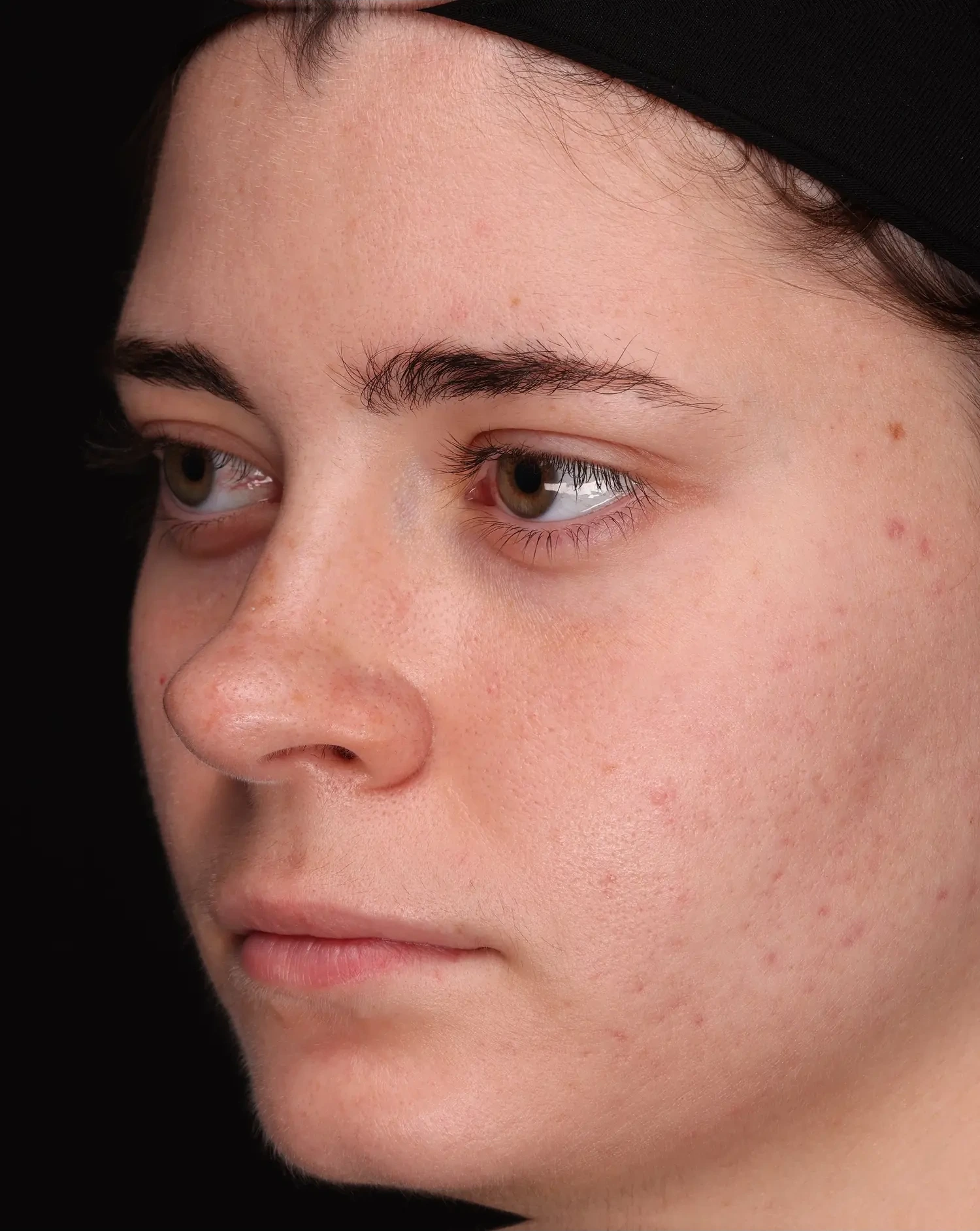 Black background
Marketing or clinical photography
At VCS you don’t need to choose . . .You can have the best of both worlds.
Marketing-ready images can (and should) come from a clinical study
Many brands come to us thinking a clinical study can only produce clinical-looking photos. For most of them, marketing photography means a white background and a white tee shirt.
We shoot that style too. It looks clean and friendly on a product page or a social post. It also gives up some control, and that matters as soon as you want to show a fine detail.
All visits in a row shows every visit in order on one strip. Matched pairs splits them into labeled side-by-side pairs, so two visits are easier to compare.
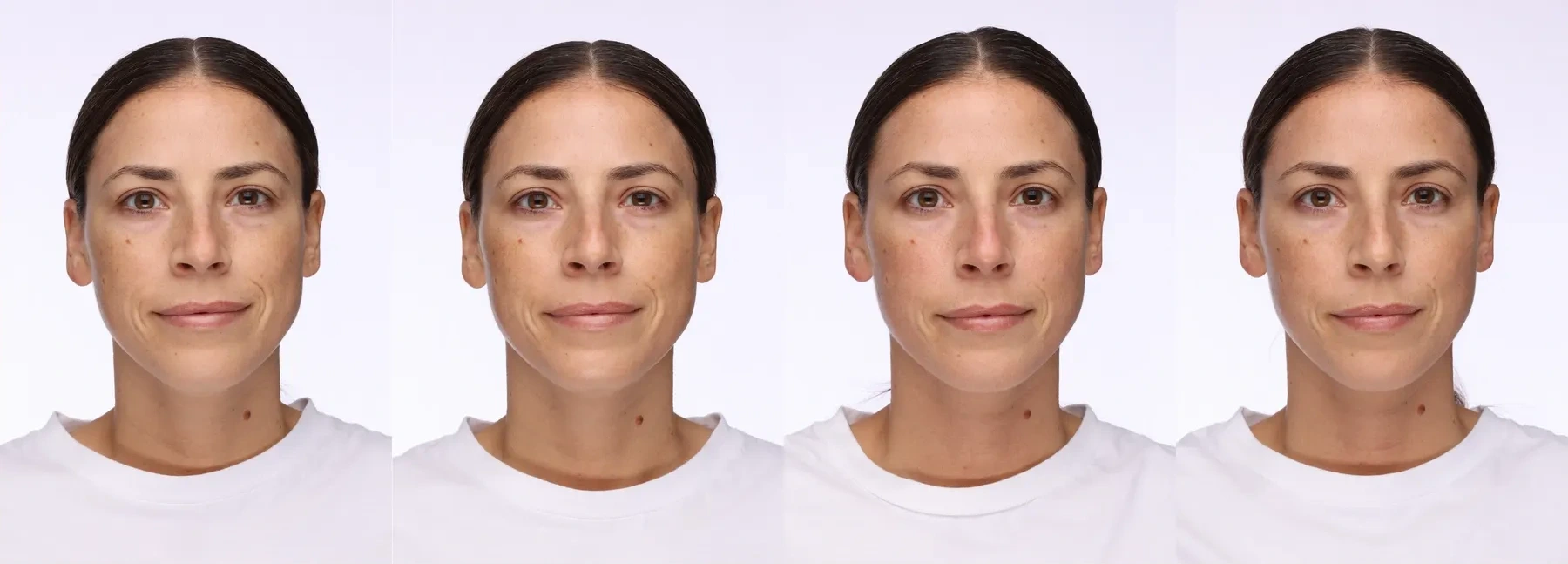
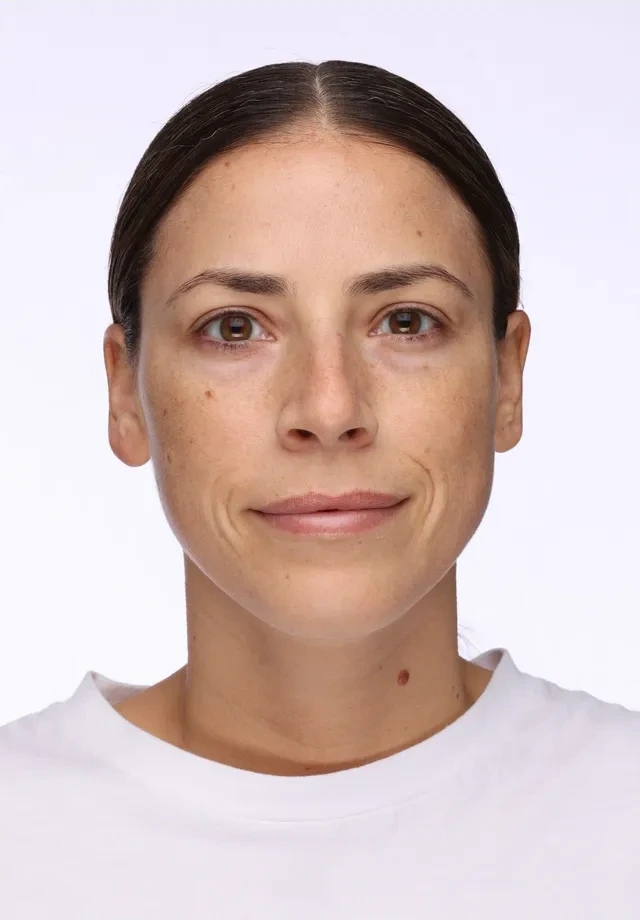 Baseline
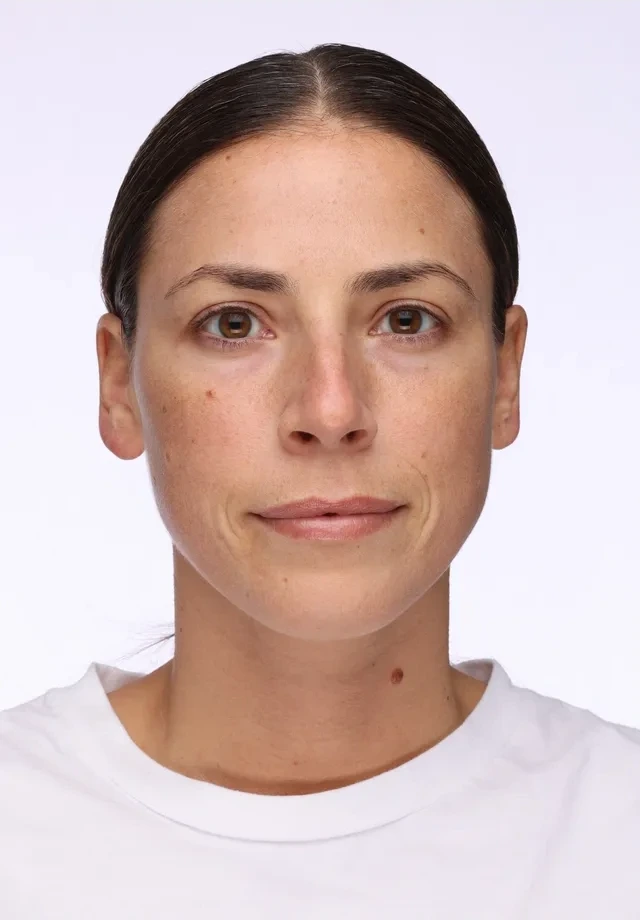 Week 1
 Immediately after
 Week 4, product applied
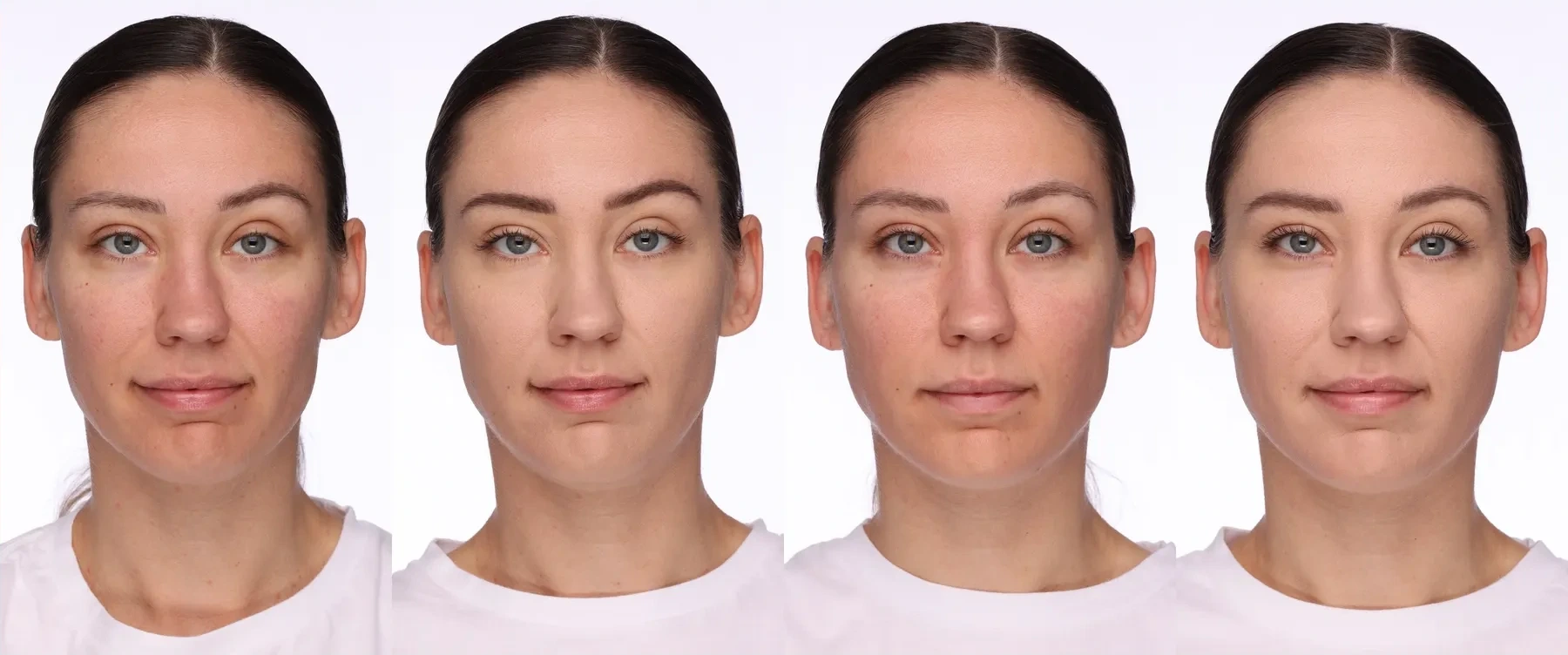
 Baseline, before application of makeup
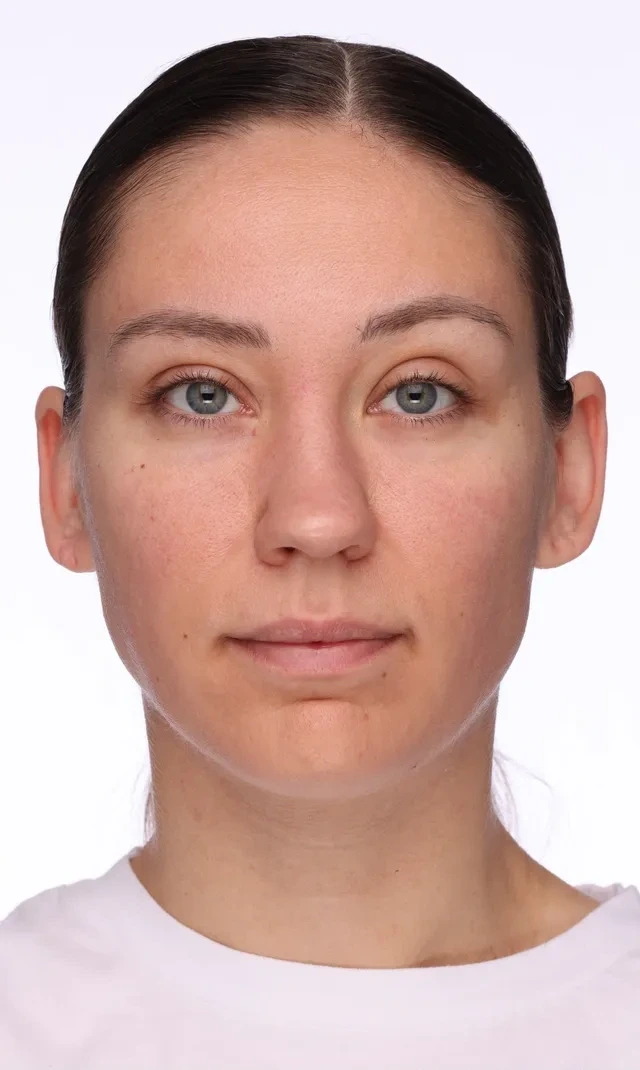 Week 4, before application of makeup
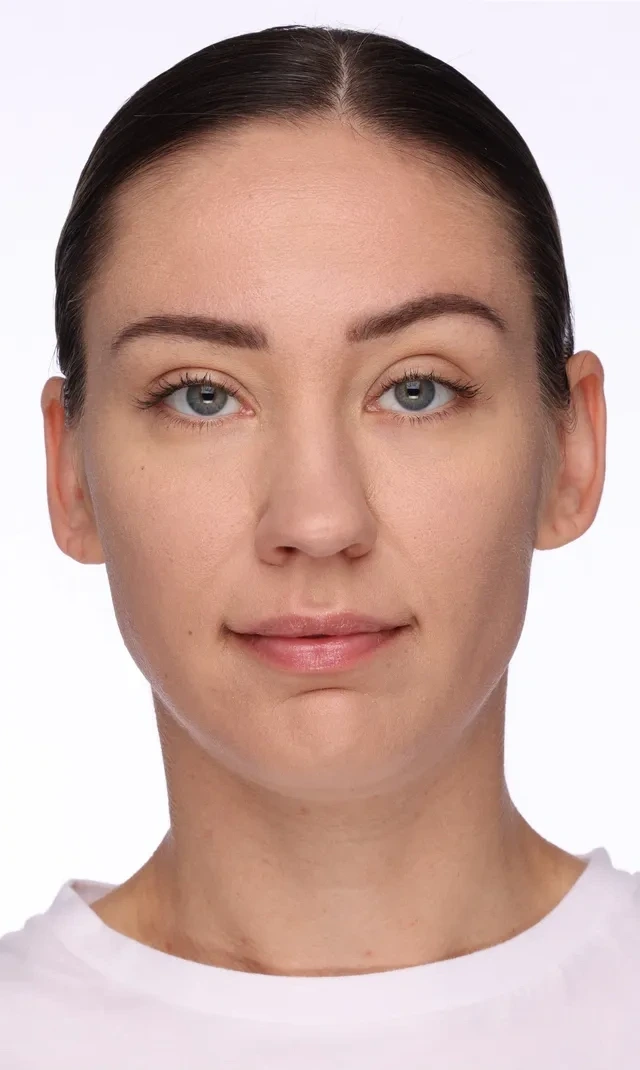 1st application
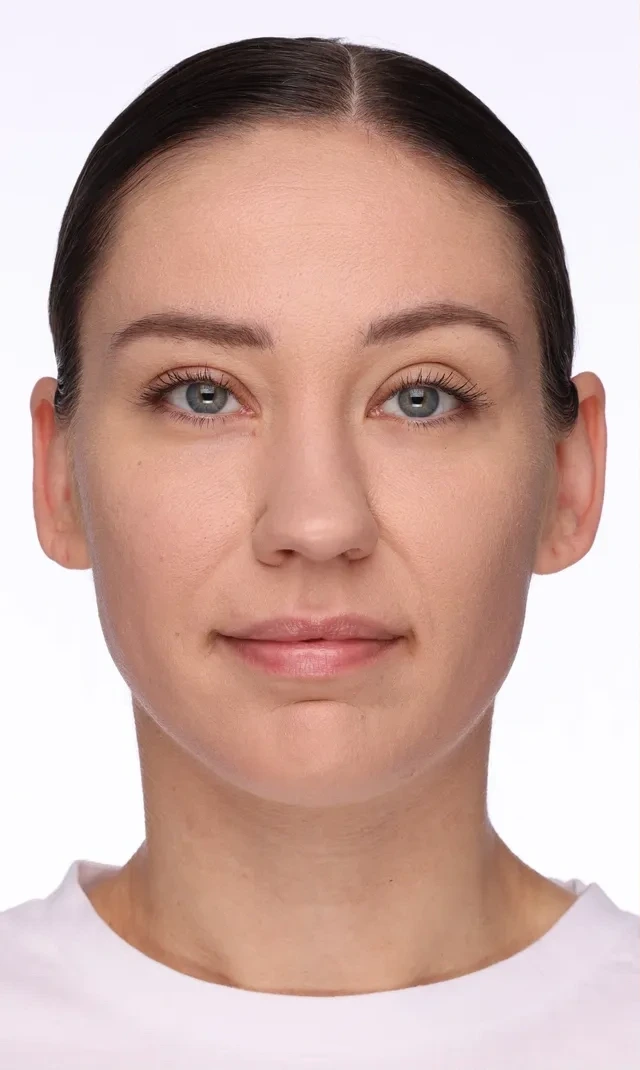 After 4 weeks of application
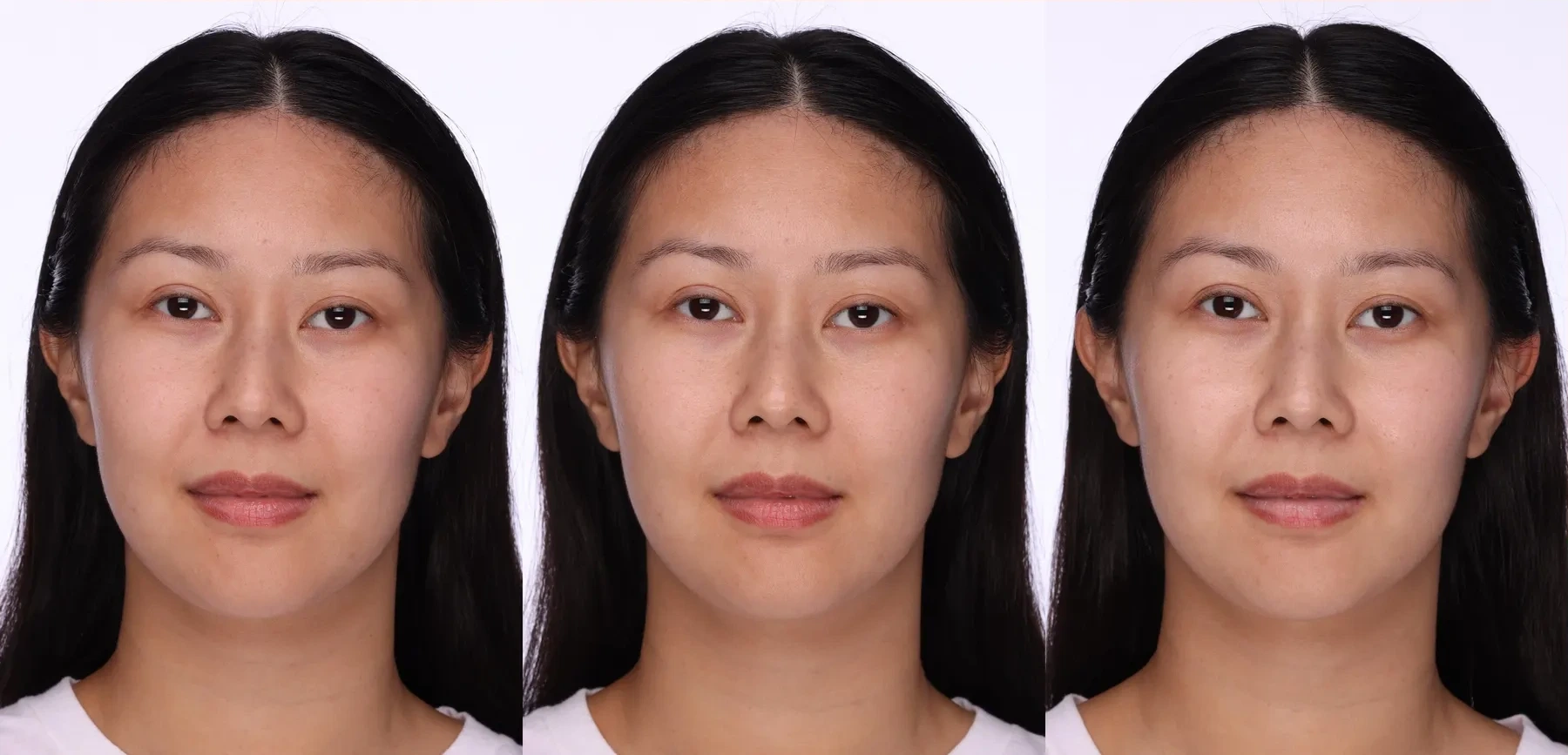
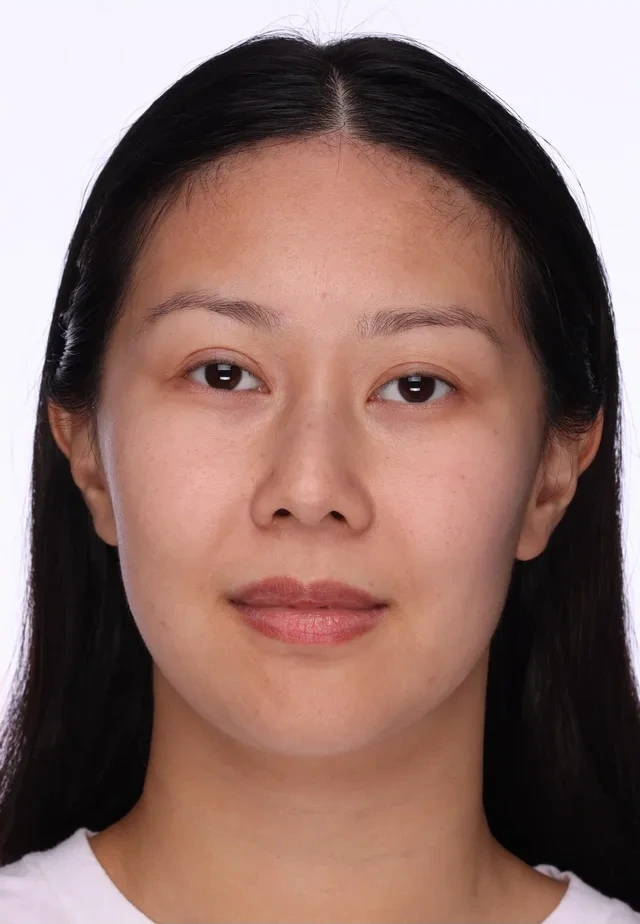 Baseline
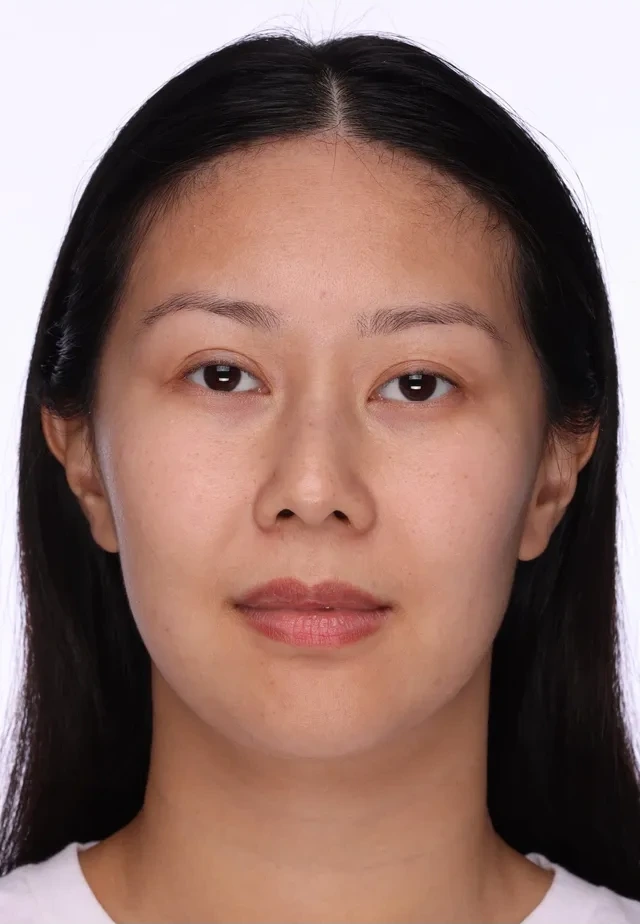 Immediately afterBaseline
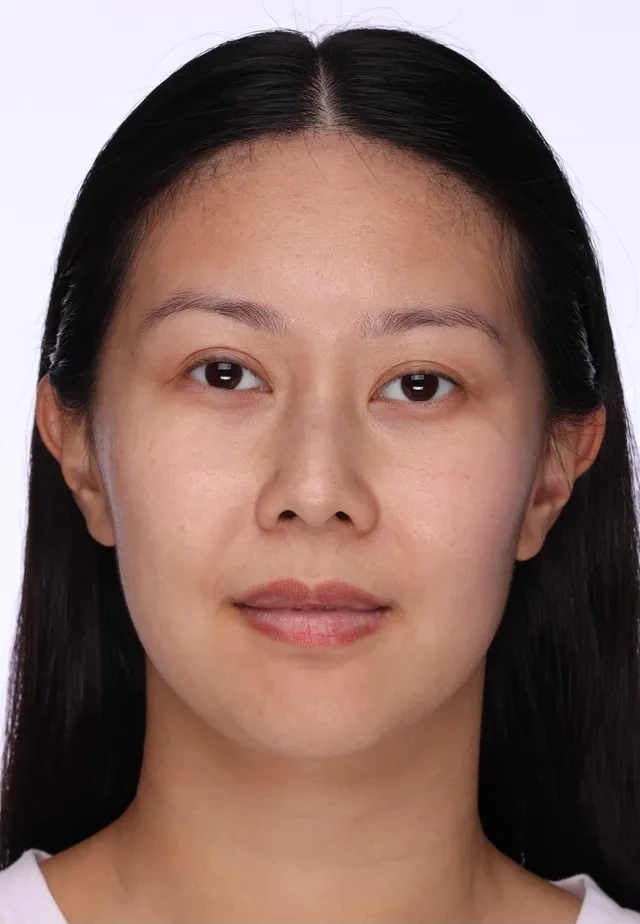 Week 4
Most clinical photos look like this
Search for clinical before and afters and this is what comes up: a face locked in a chin rest, eyes closed, a hard flash and the stand itself in the frame. These photos make a point, but nobody wants them on a product page.
That is the picture most brands have in mind when they hear “clinical photography,” and it is why so many ask us for a white background instead.
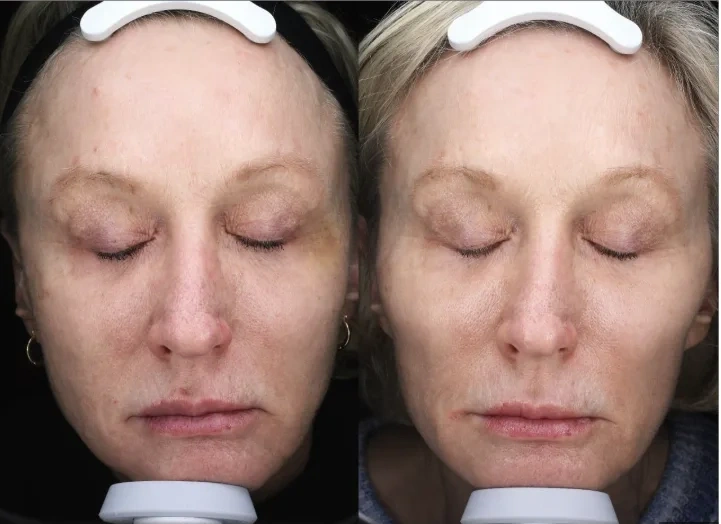
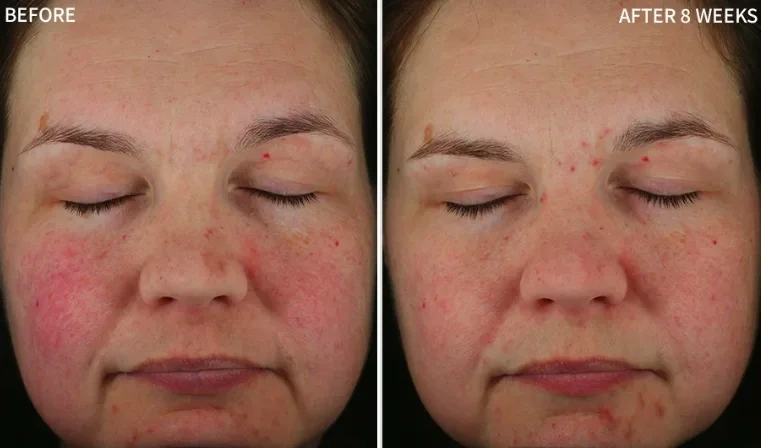
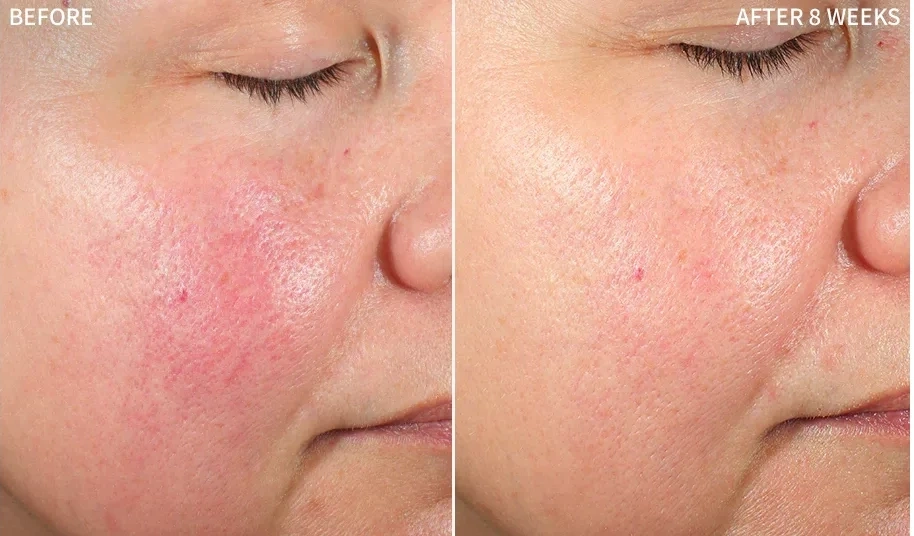
Examples from around the web. These are not VCS images.
That is not how VCS shoots
- Eyes open and a natural, held expression, so the photo reads as a person, not a specimen
- A headrest kept out of the frame, and a plain black headband that blends into the background
- Black background, so no light bounces back onto the skin
- 25.4 megapixels per frame, true color, no retouching
- 25.4 MPper frame, 4,271 × 5,955 pixels
- True colorno retouching, no smoothing
- Same lighting, same positioning, every visitthe only variables are product efficacy and time
- Native resolutionno upscaling
- Measured in pixelseach result is a defined mathematical count
- Visits lined upbaseline and follow-up matched frame to frame down to the pixel
- Face and bodyfrom crow’s feet to cracked heels
- One image, multiple formatsready for web, print, TV and tradeshow material
- Analysis you can switch onoverlays show exactly what was measured
- Shot in Teaneck, NJin a temperature and humidity controlled studio
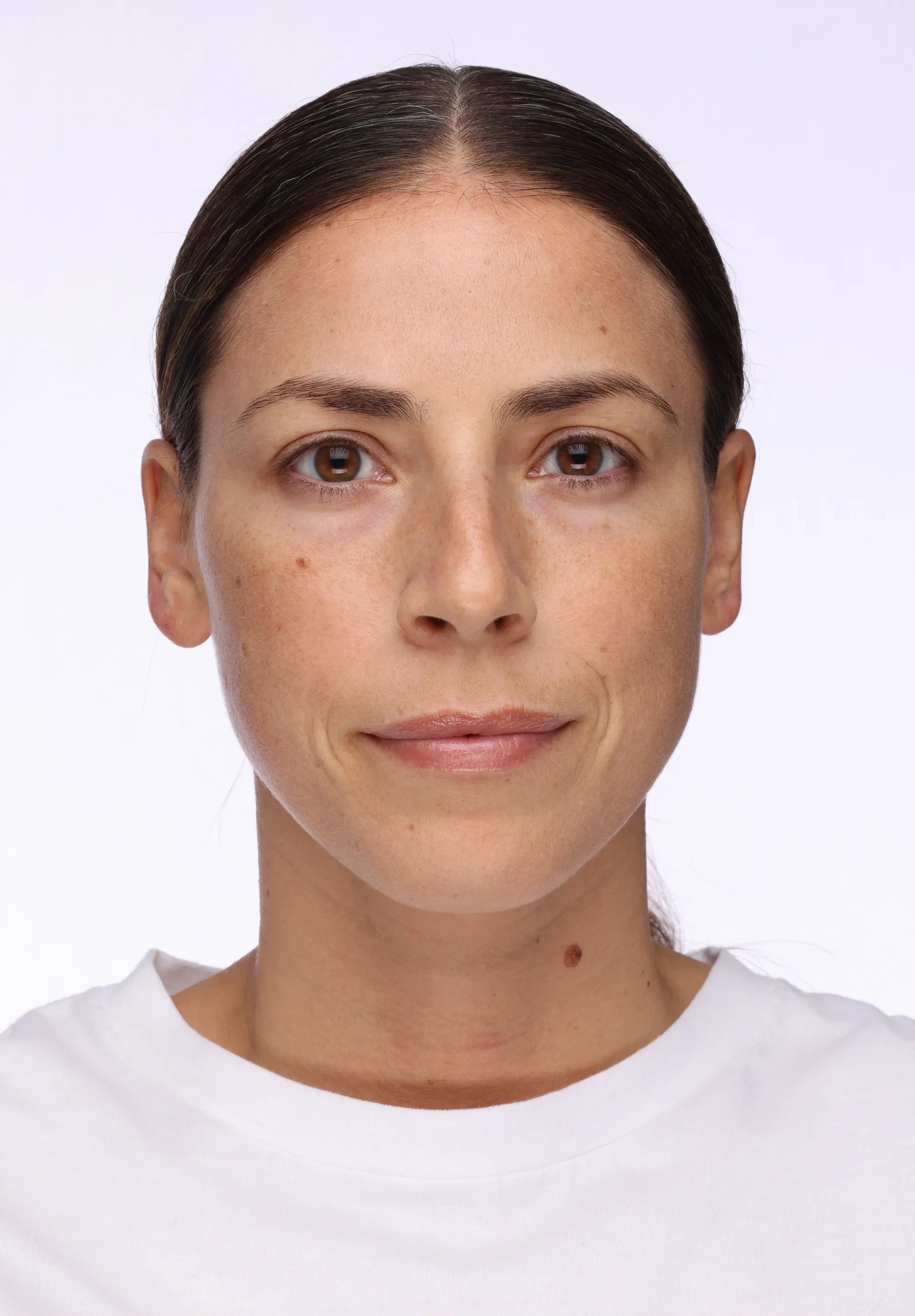
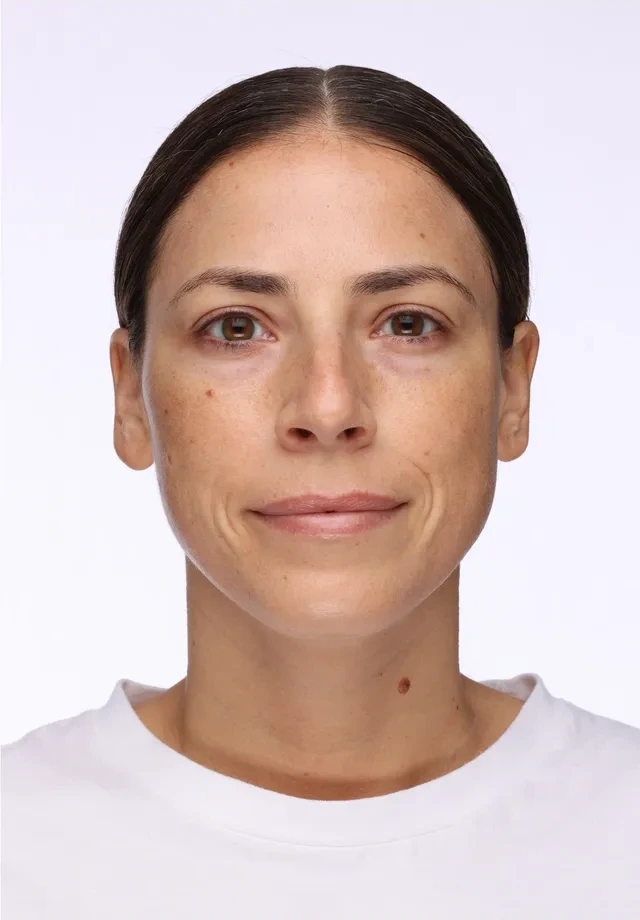
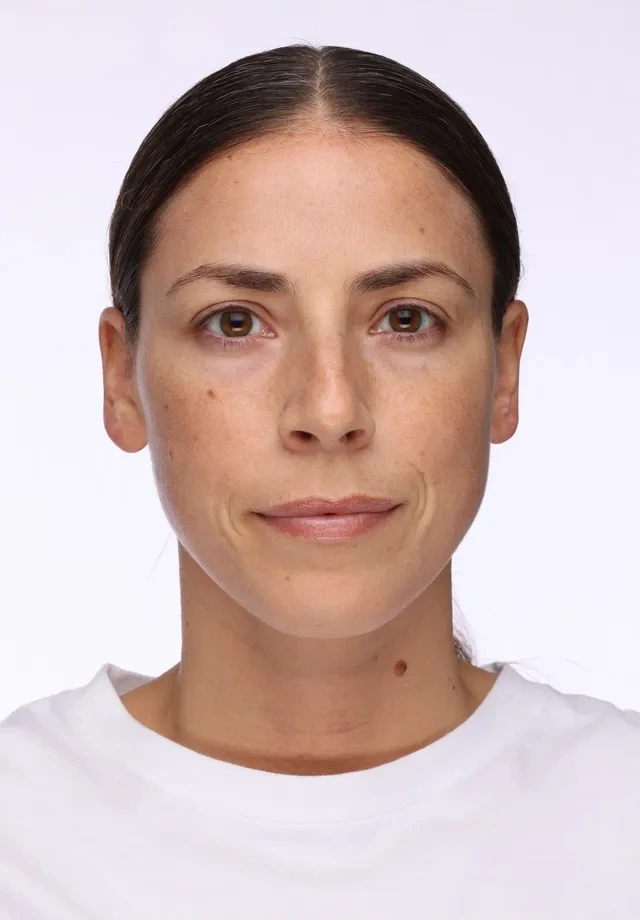
At full face, the white background works
Drag across the photo. Seen whole, the two visits read as a clean before and after, and the style suits a website, a social post or a retail listing.
Use it for overall look: radiance, evenness of tone, a makeup result, how a face reads at a glance.
Move in closer and the variables show
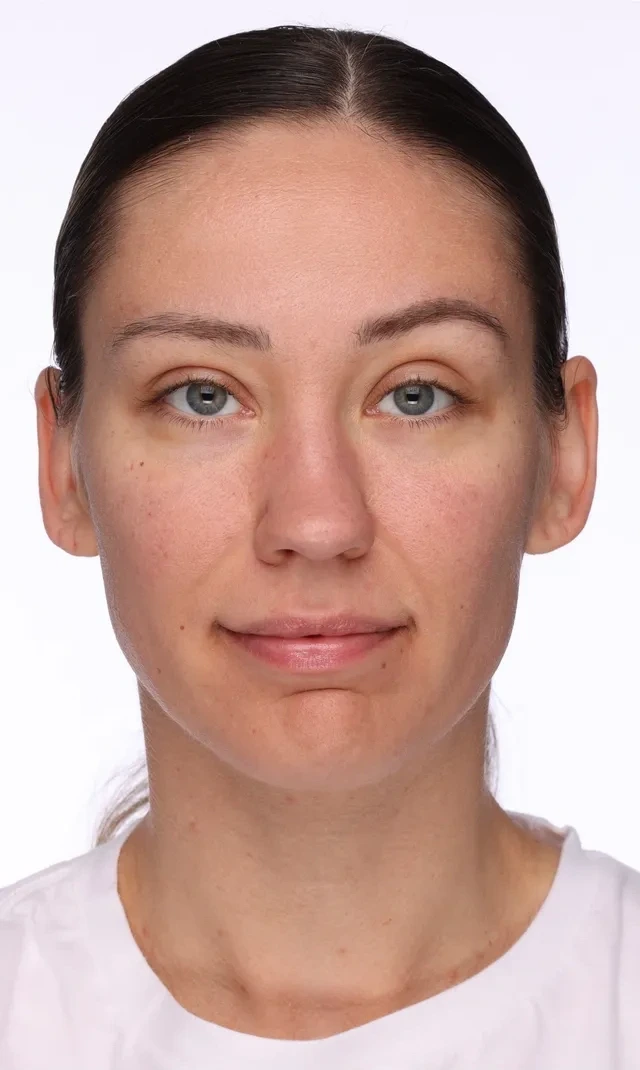
Without a headrest or headband, nothing holds the head in the same place from visit to visit. Each pair below uses the same crop window on both photos, so any shift you see is the photo, not the product.
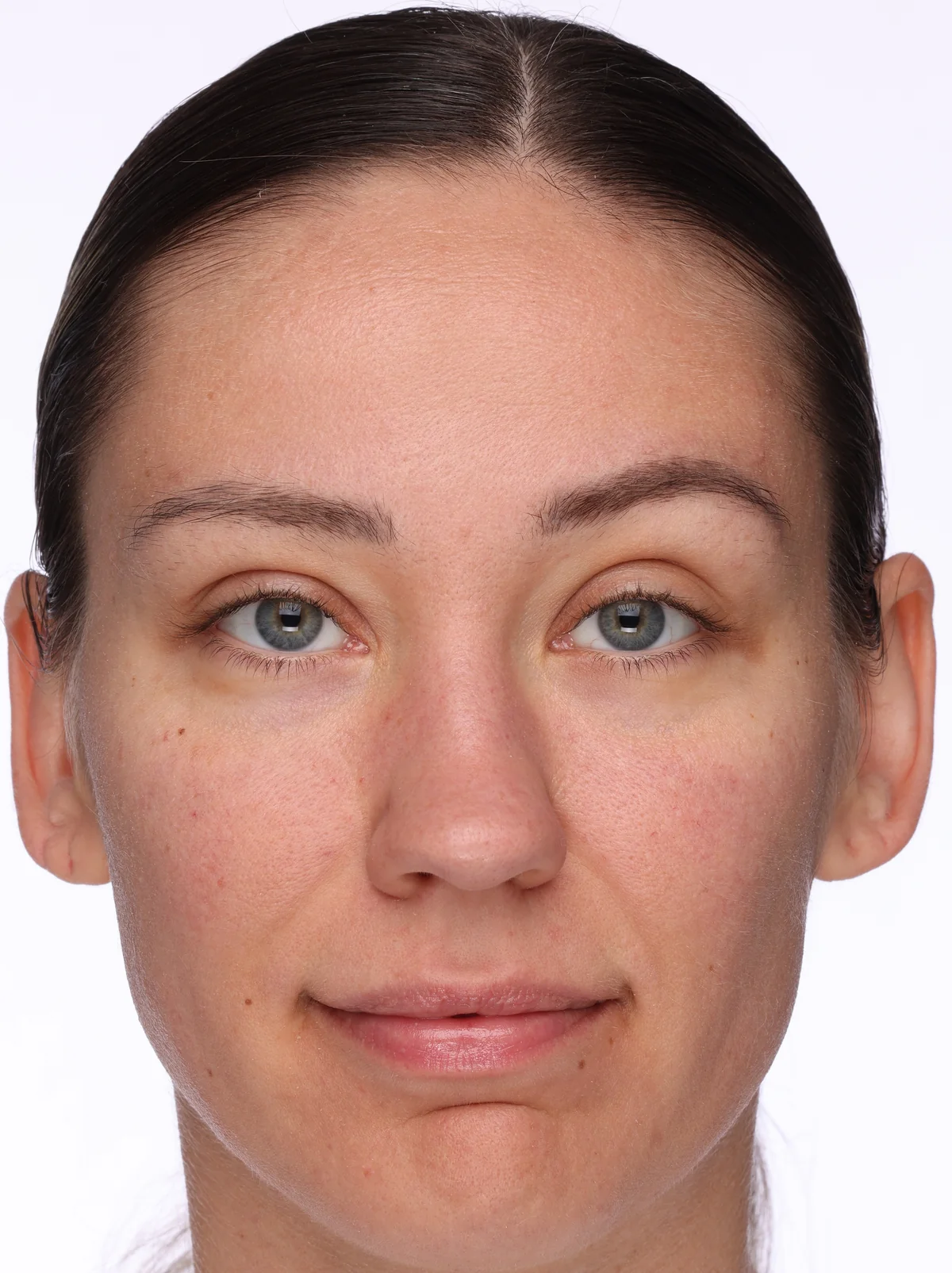
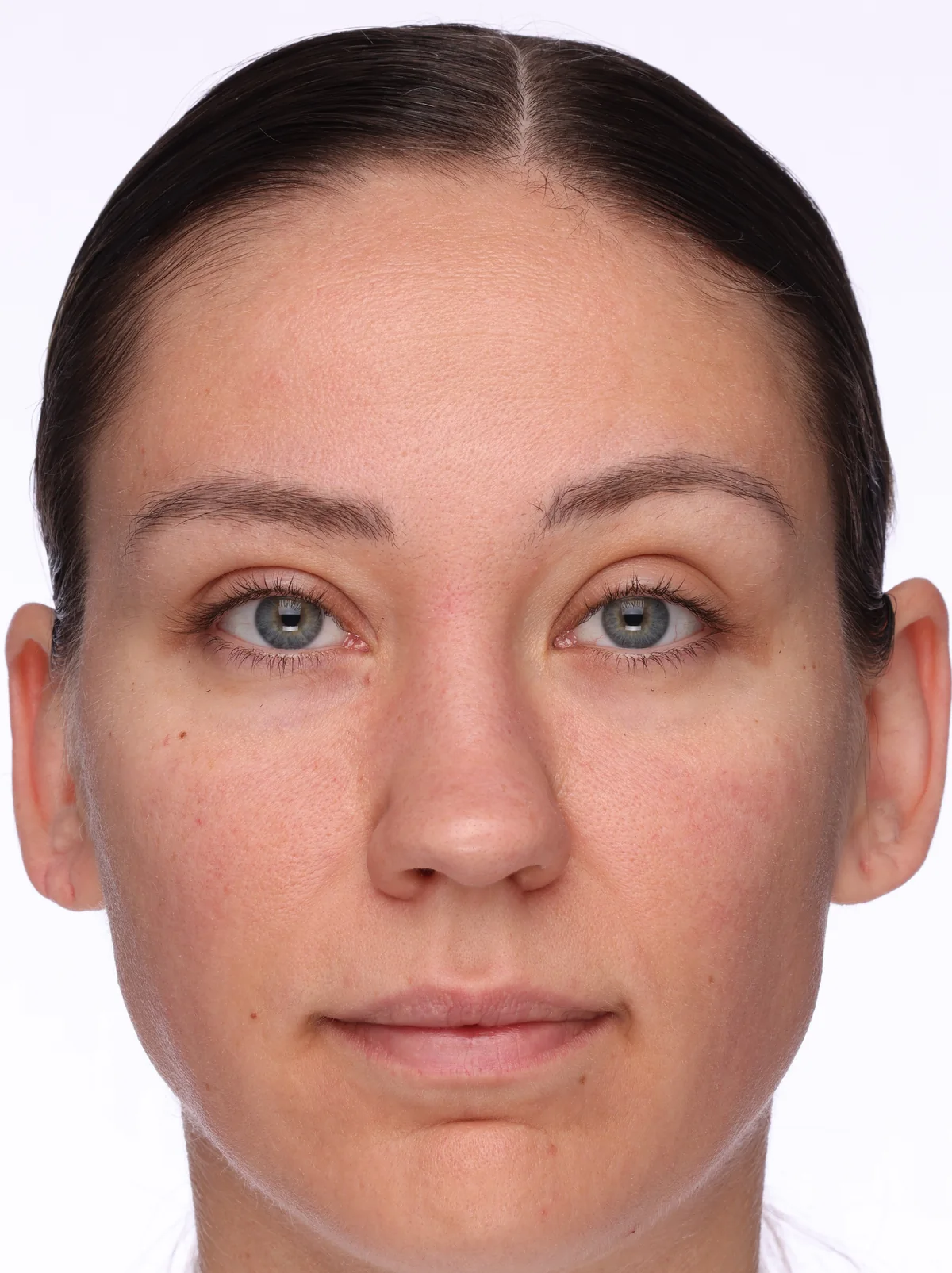
The face moves inside the frame
Drag the line across the face. At week 4 she sits closer to the camera, so her face looks wider and the nose, mouth and jawline no longer line up.
Without a headrest, the head can also tip or turn a few degrees between visits, and every feature in the frame moves with it. Small changes in color tone, shine and reflection can be seen on the face too.
When the face itself has moved, any real change from the product is hard to judge.
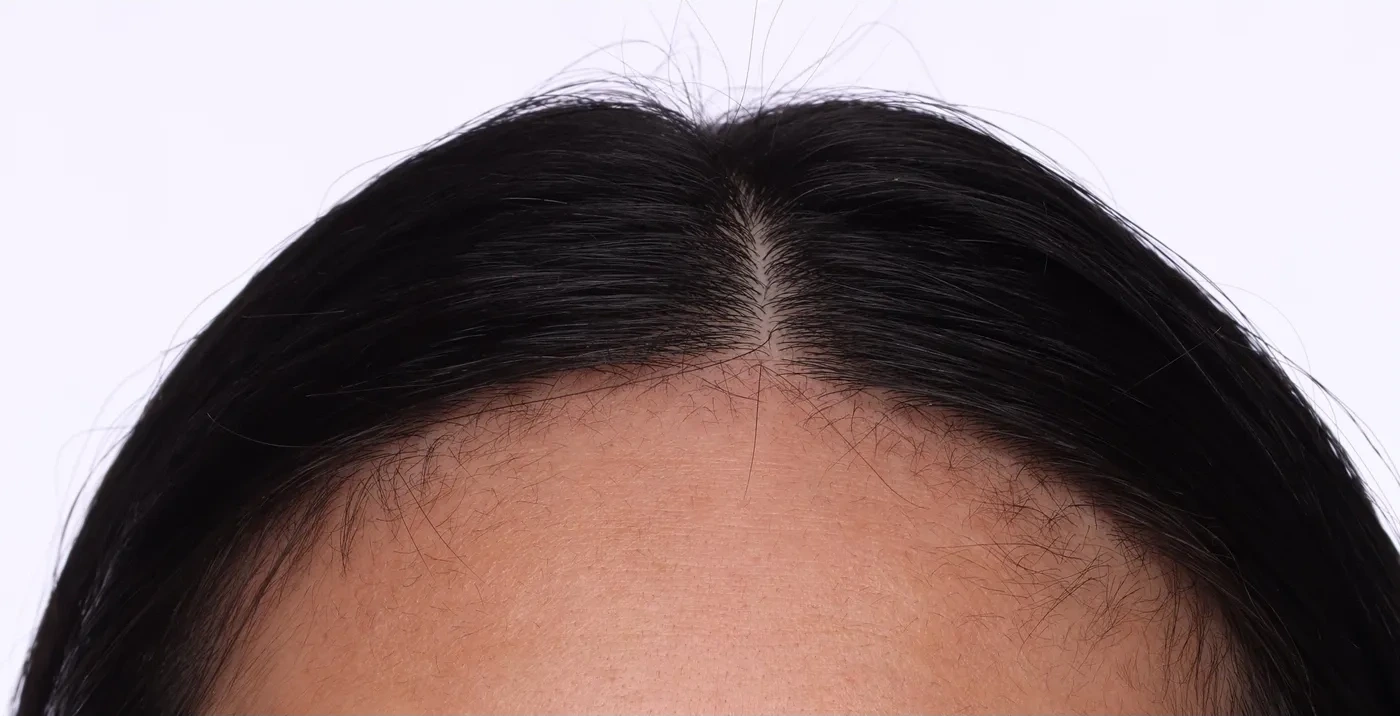
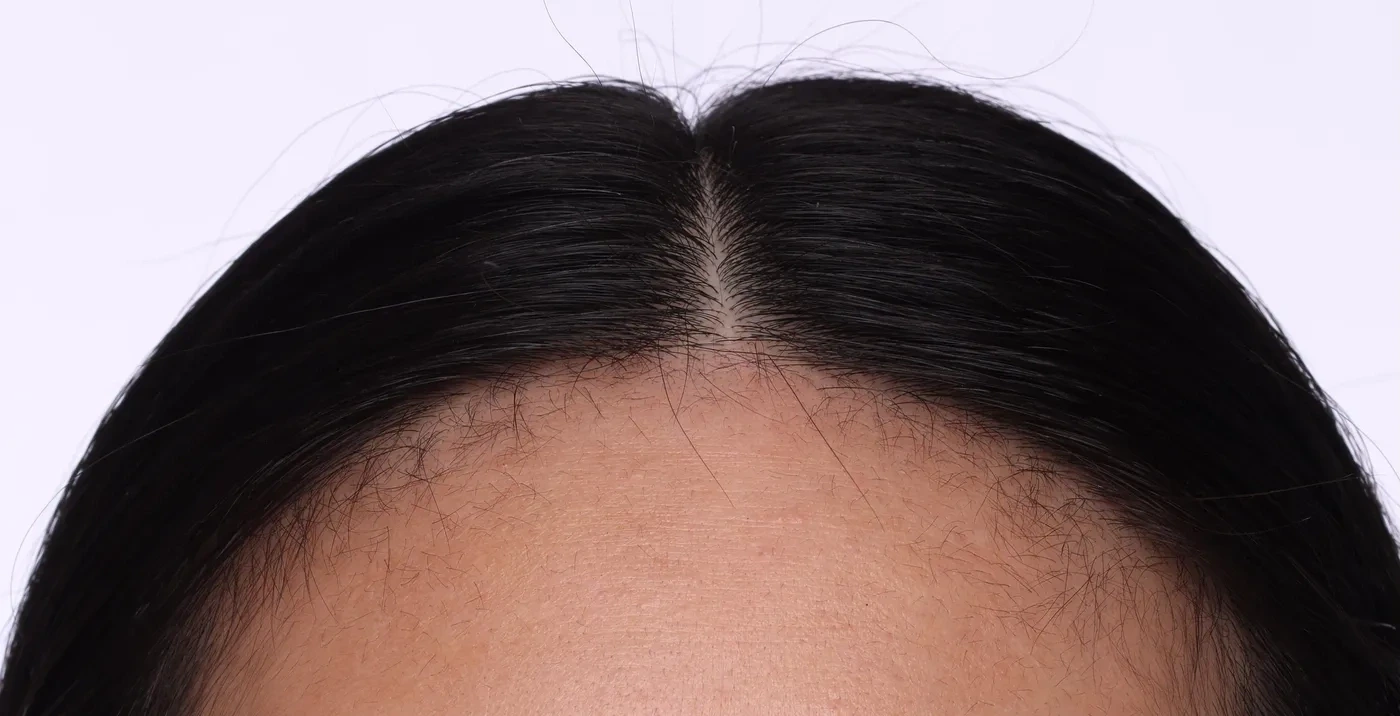
Loose hair changes every visit
With no headband, the part, the flyaways and the strands across the forehead are different each time. Hair can cover the very skin you want to show, and it pulls the eye away from it.
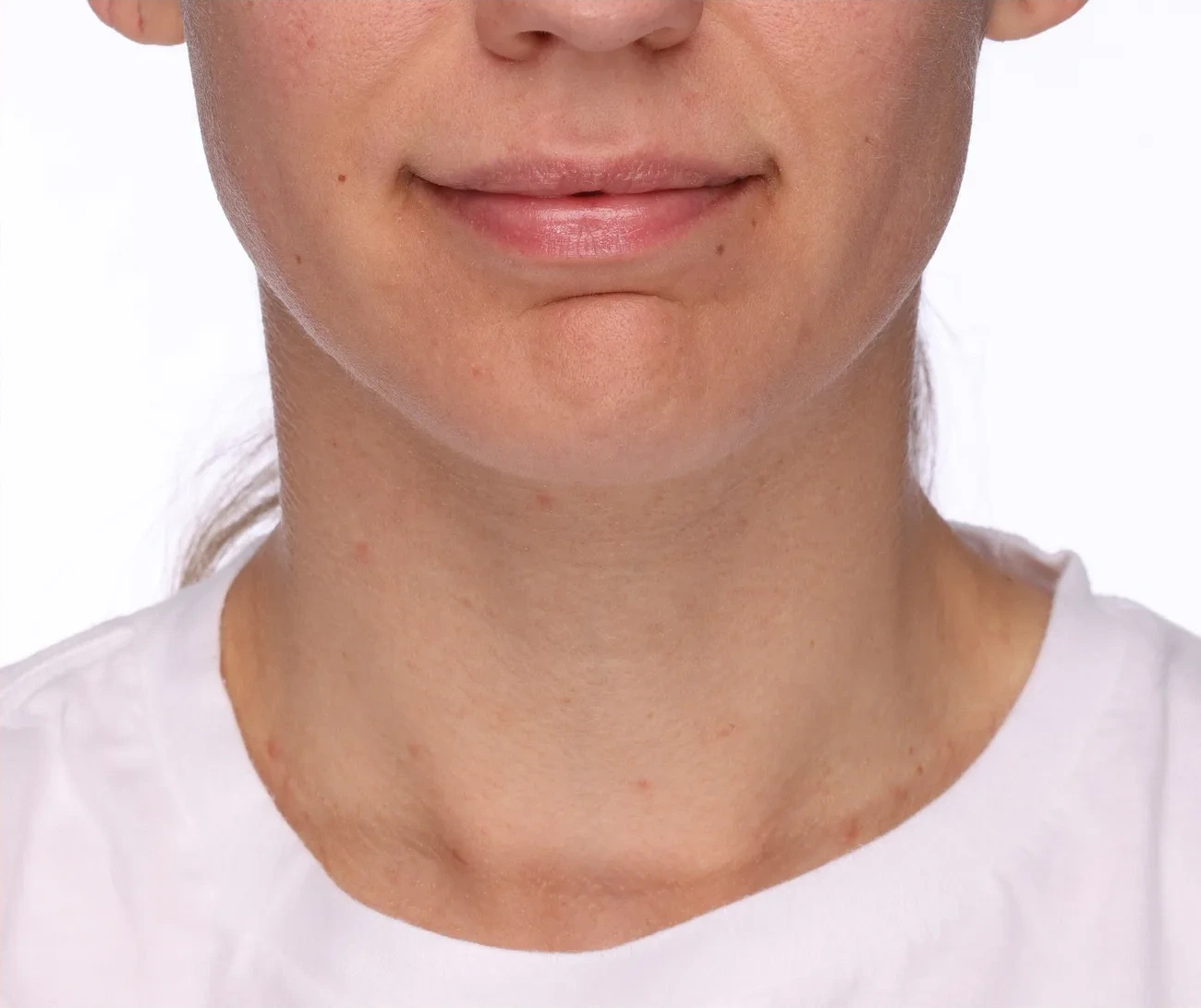
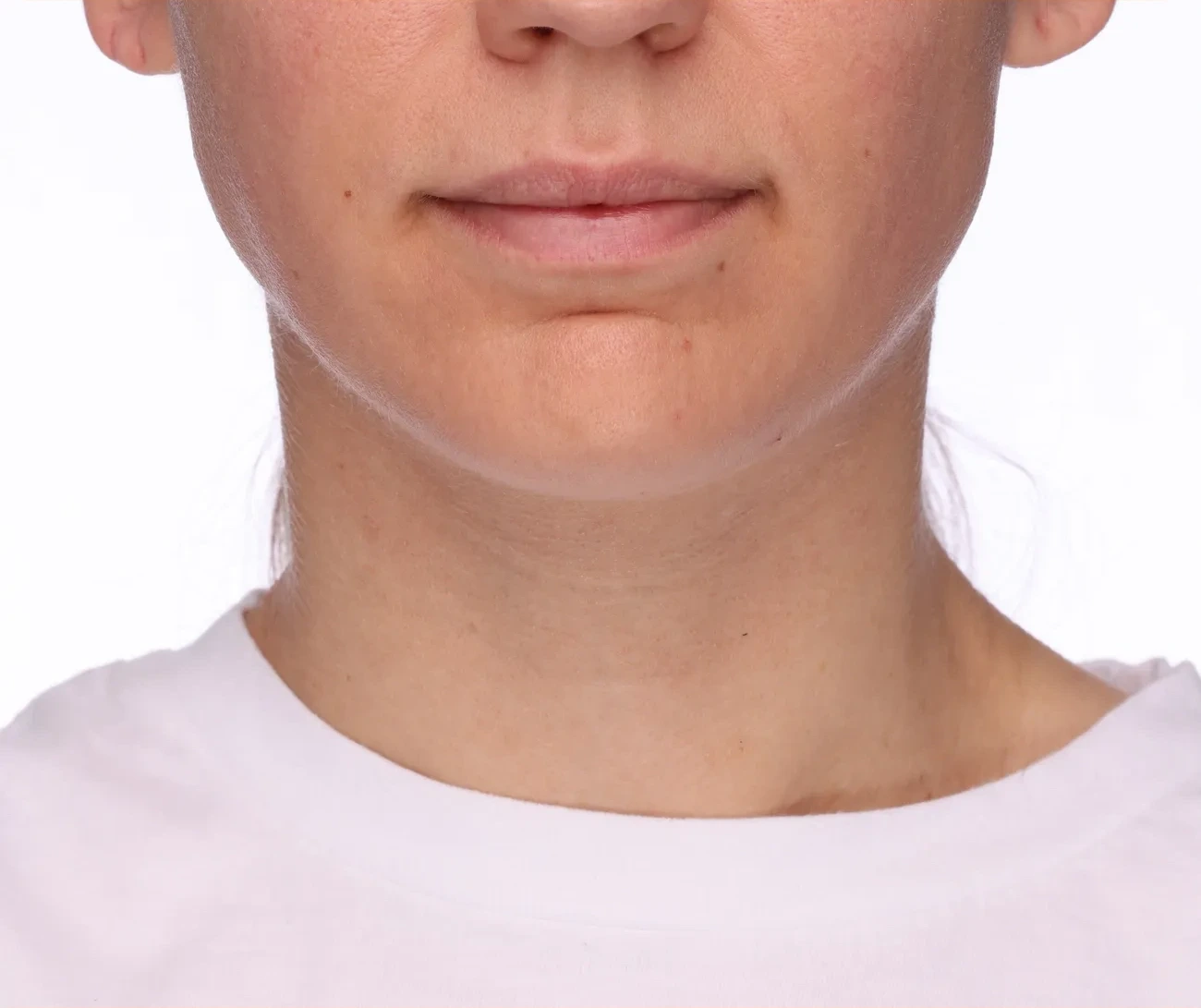
The shirt and backdrop bounce light back
The white shirt and background throw light back up onto the jaw, neck and face edges, and it changes as the shirt sits differently. The mouth and chin also hold a different expression at each visit. The position of the face visibly changes, and a small shift in the shirt changes the color and shadow of the neck, the chin and even the face as the white balance shifts.
Trust us . . . That subtle position change on the shirt isn’t easy to correct in this style of shot, and it’s not the only variable. It just happens to be the most visible one you can see here. The real answer is eliminating light scatter entirely, which is done by controlling the positioning and the attire so it’s non-reflective and less variable in a more controlled setting.
Both styles of imaging have their use, and combining or misconstruing them is a great source of unhappiness for us and our sponsors.
Choose wisely.
The clinical studio controls all of the variables except time and the effect of the product more effectively
In our clinical studio every subject is photographed against black, in a headrest, with a non-reflective black headband. The only things left to change between visits are the product and time.
- HeadrestThe head returns to the same position and angle at every visit.
- Black headbandHair stays off the face and the hairline stays put.
- Black backgroundFar less light bounces back onto the skin, so color and shadow stay true.
- Same light, every visitSo baseline and follow-up can be lined up frame to frame.
- 25.4 MPper frame, 4,271 × 5,955 pixels
- True colorno retouching, no smoothing
- Same lighting, same positioning, every visitthe only variables are product efficacy and time
- Native resolutionno upscaling
- Measured in pixelseach result is a defined mathematical count
- Visits lined upbaseline and follow-up matched frame to frame down to the pixel
- Face and bodyfrom crow’s feet to cracked heels
- One image, multiple formatsready for web, print, TV and tradeshow material
- Analysis you can switch onoverlays show exactly what was measured
- Shot in Teaneck, NJin a temperature and humidity controlled studio
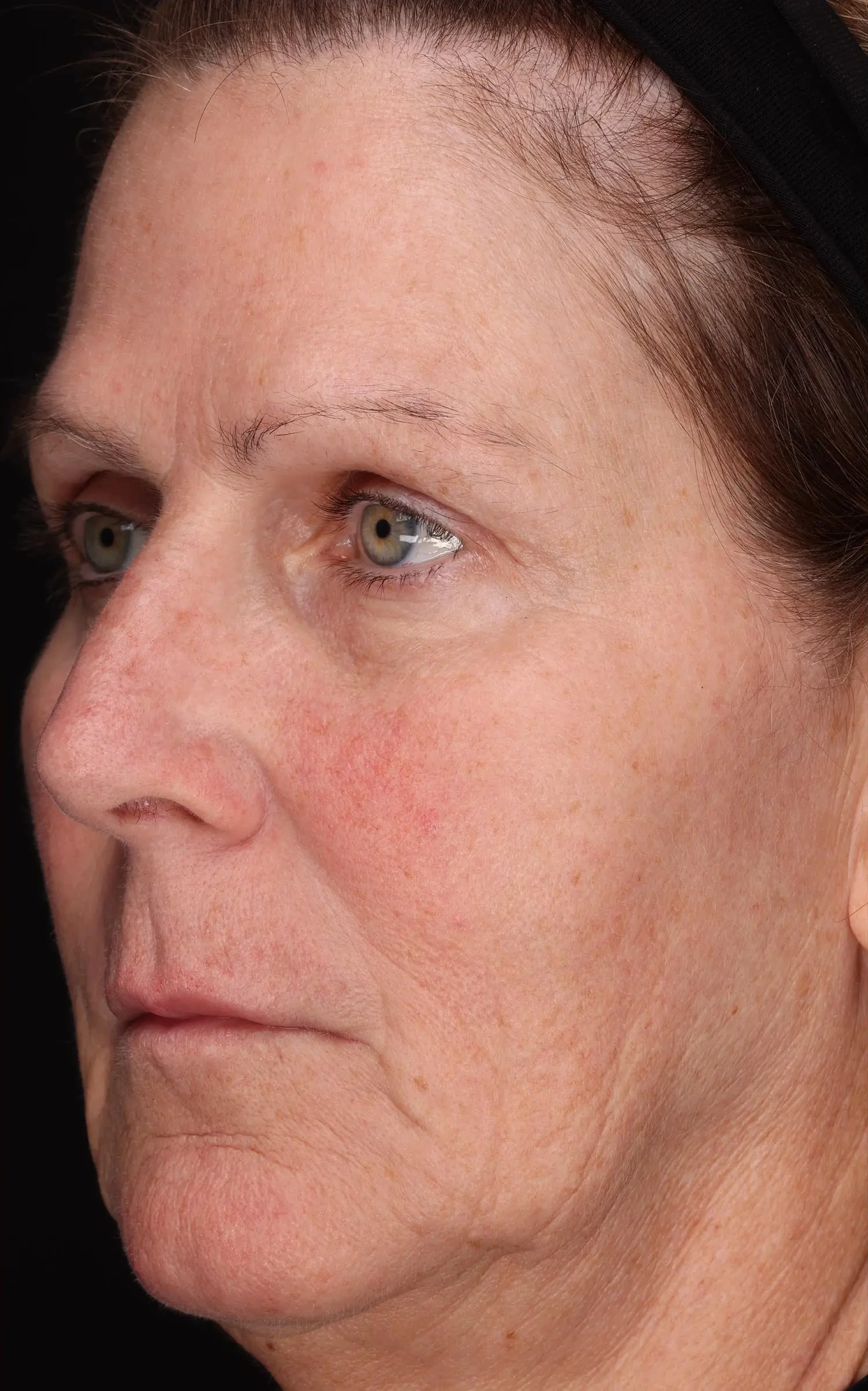 Baseline
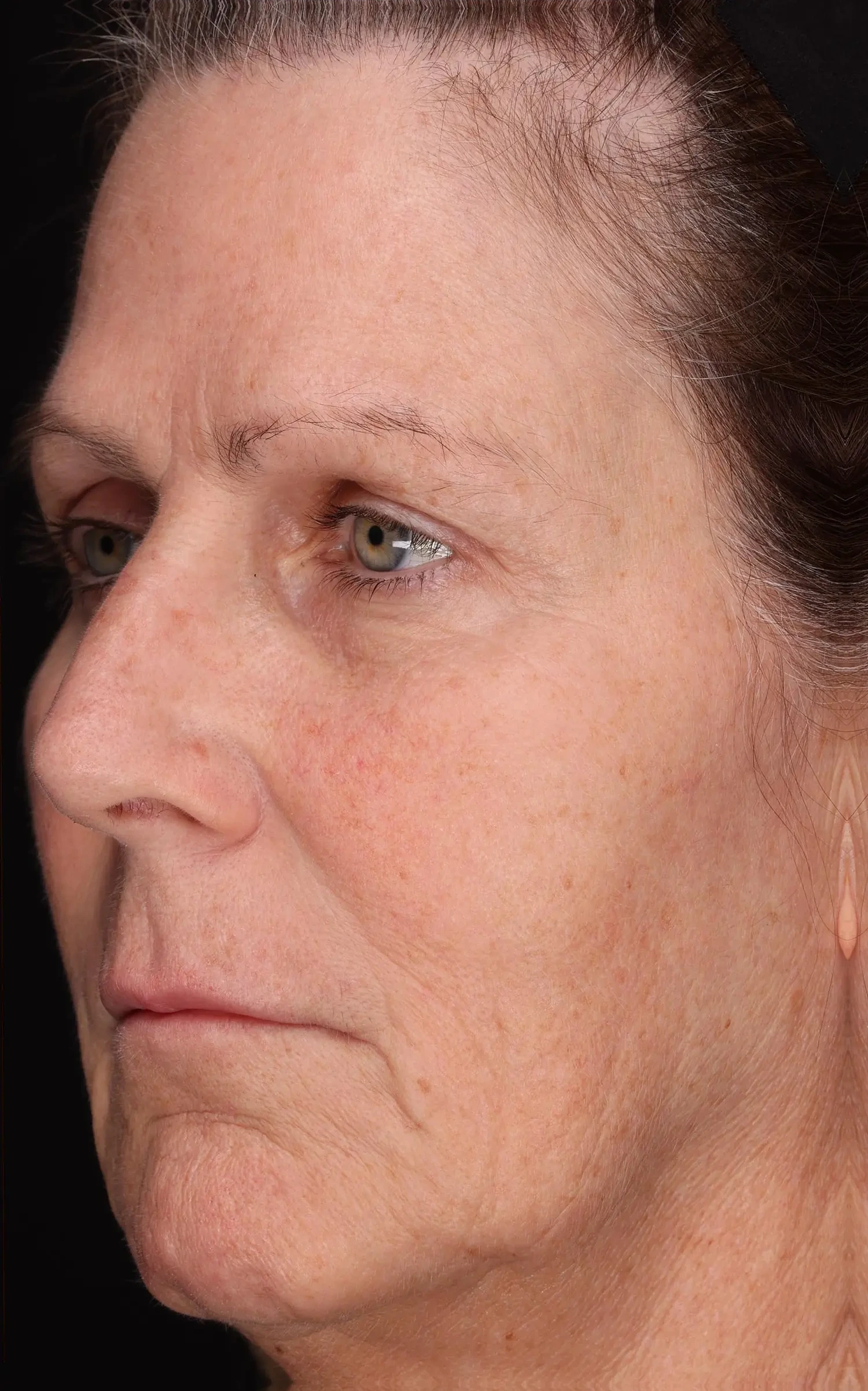 Week 2
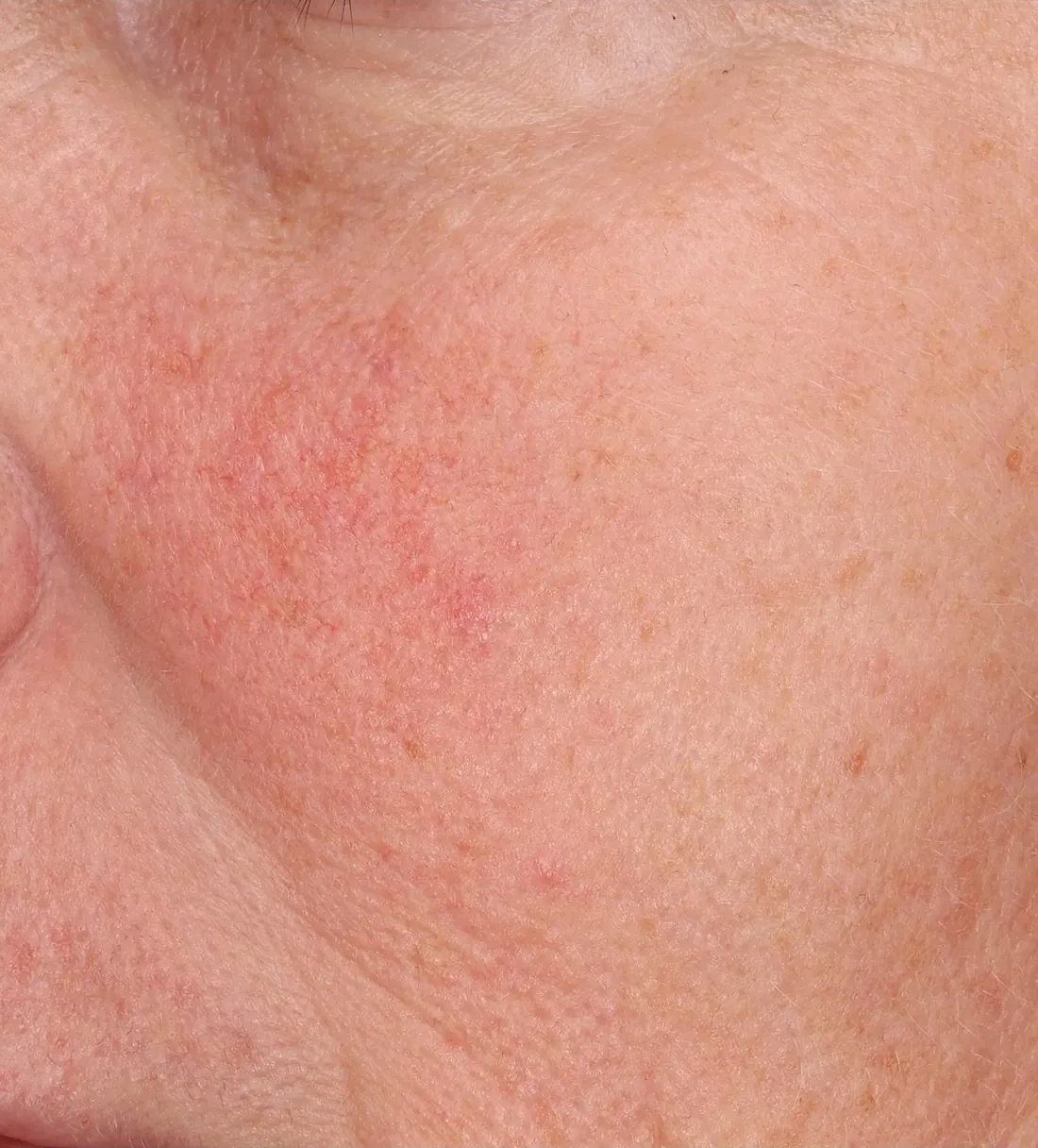
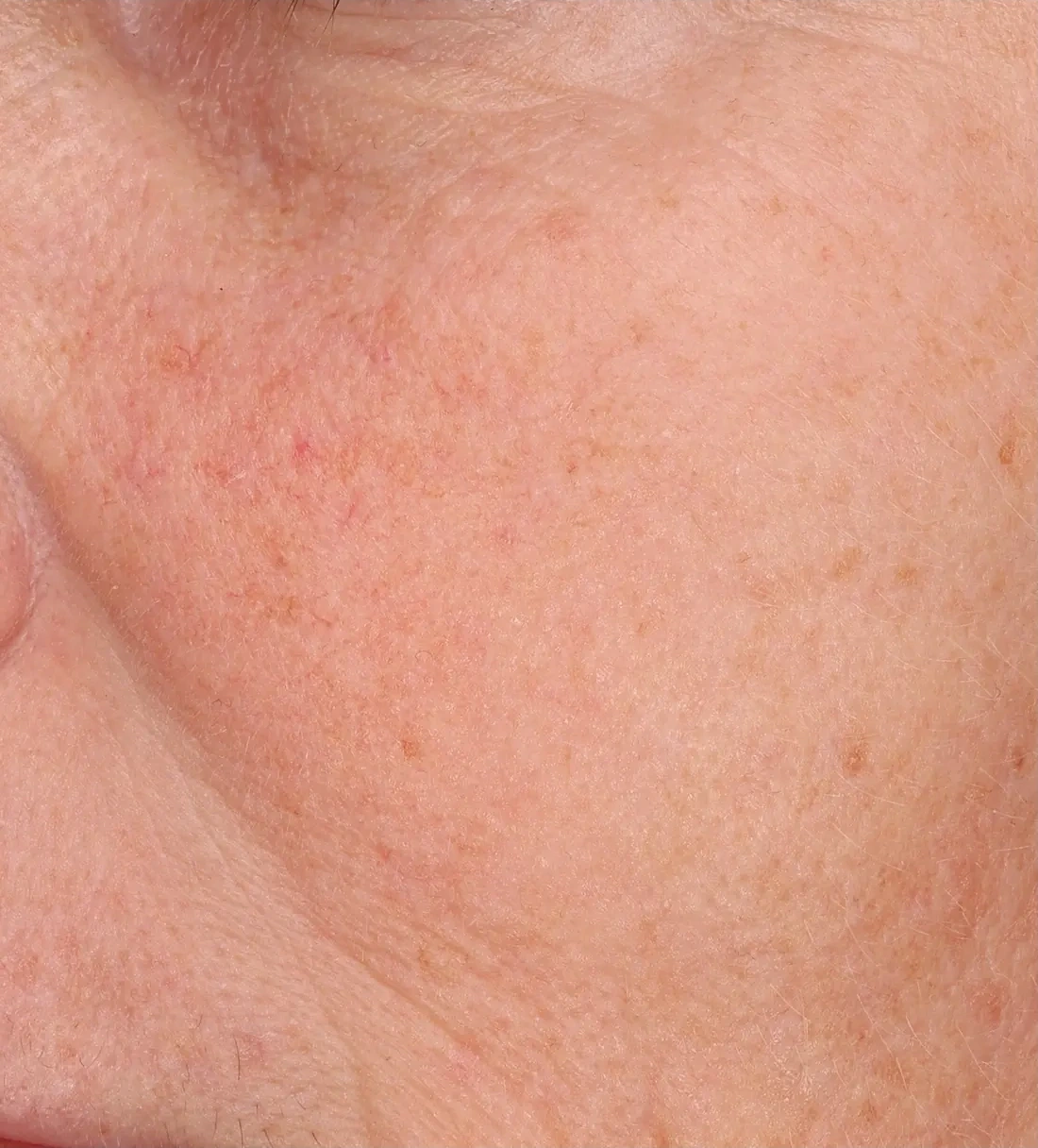
Redness, full face, baseline to week 2. Same headrest, headband, background and light at both visits.
Zoom in, and the black background wins
Full-face photos, even on a large screen, show only a fraction of the detail in a VCS image. To show redness, a fine line or a pore you have to zoom. Use the control between them to zoom both styles together.
The black background is nearly gone from the image below. At this zoom, the clinical image is the better choice for consistency and control.
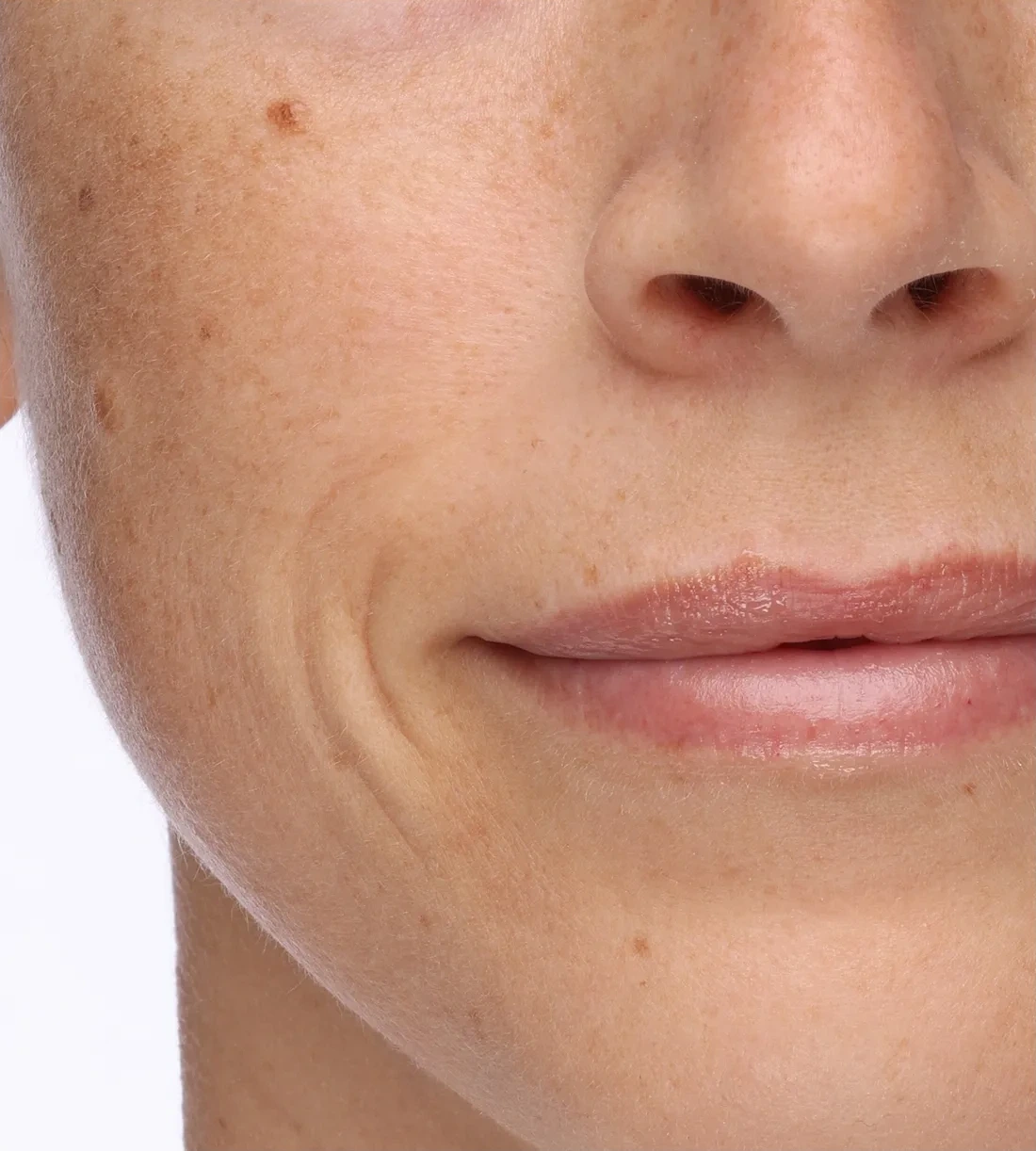
Clinical photos can be your marketing heroes
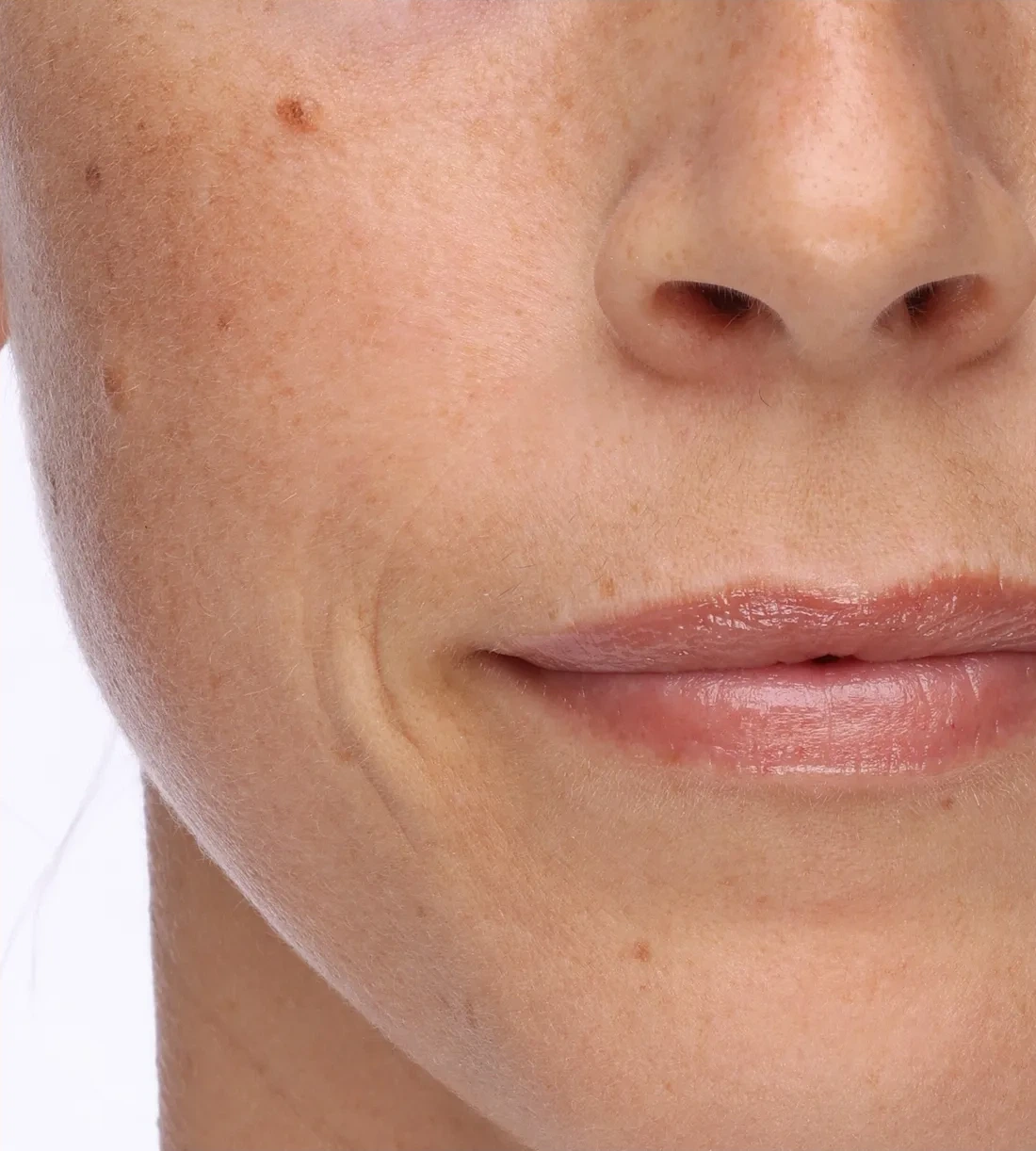
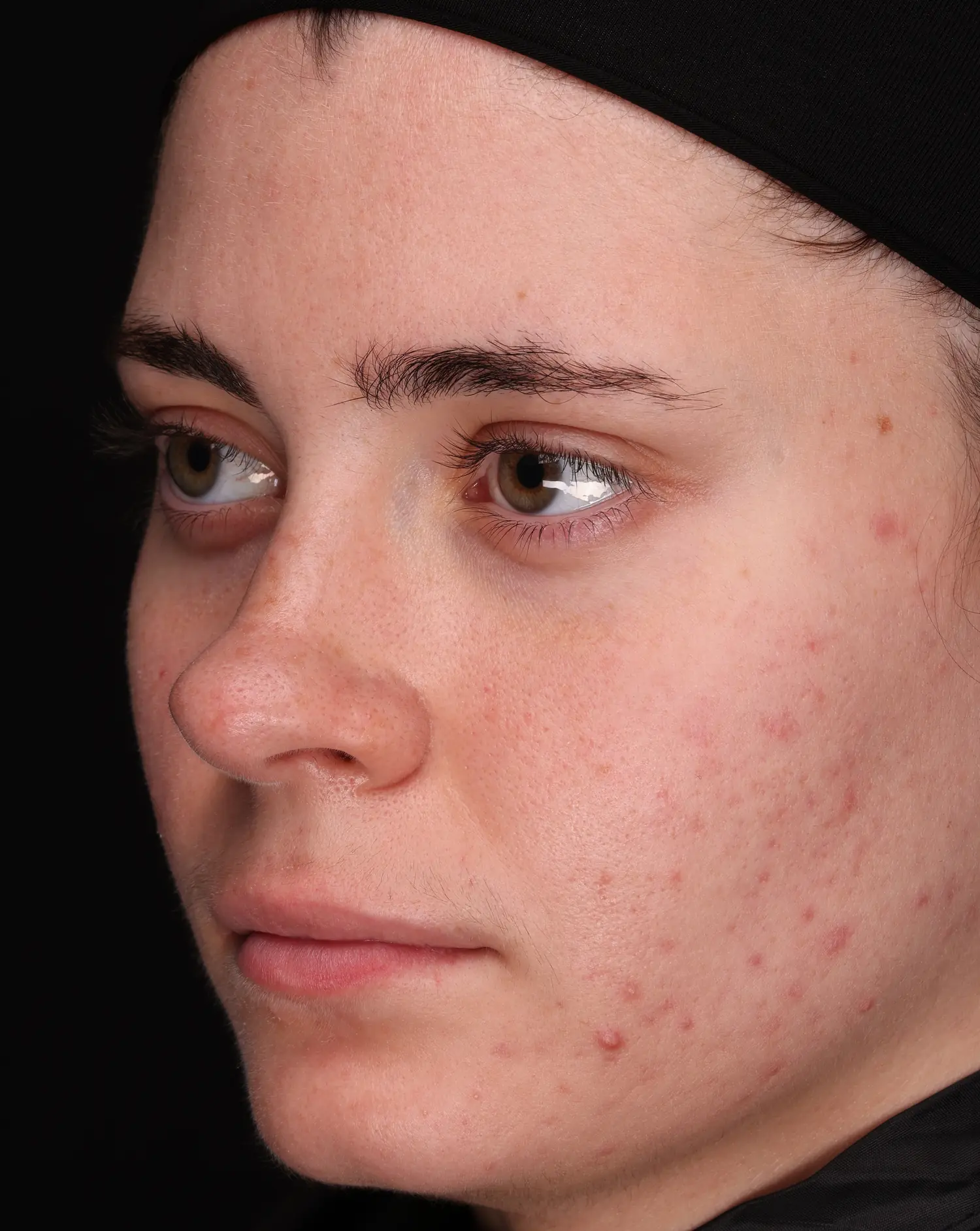
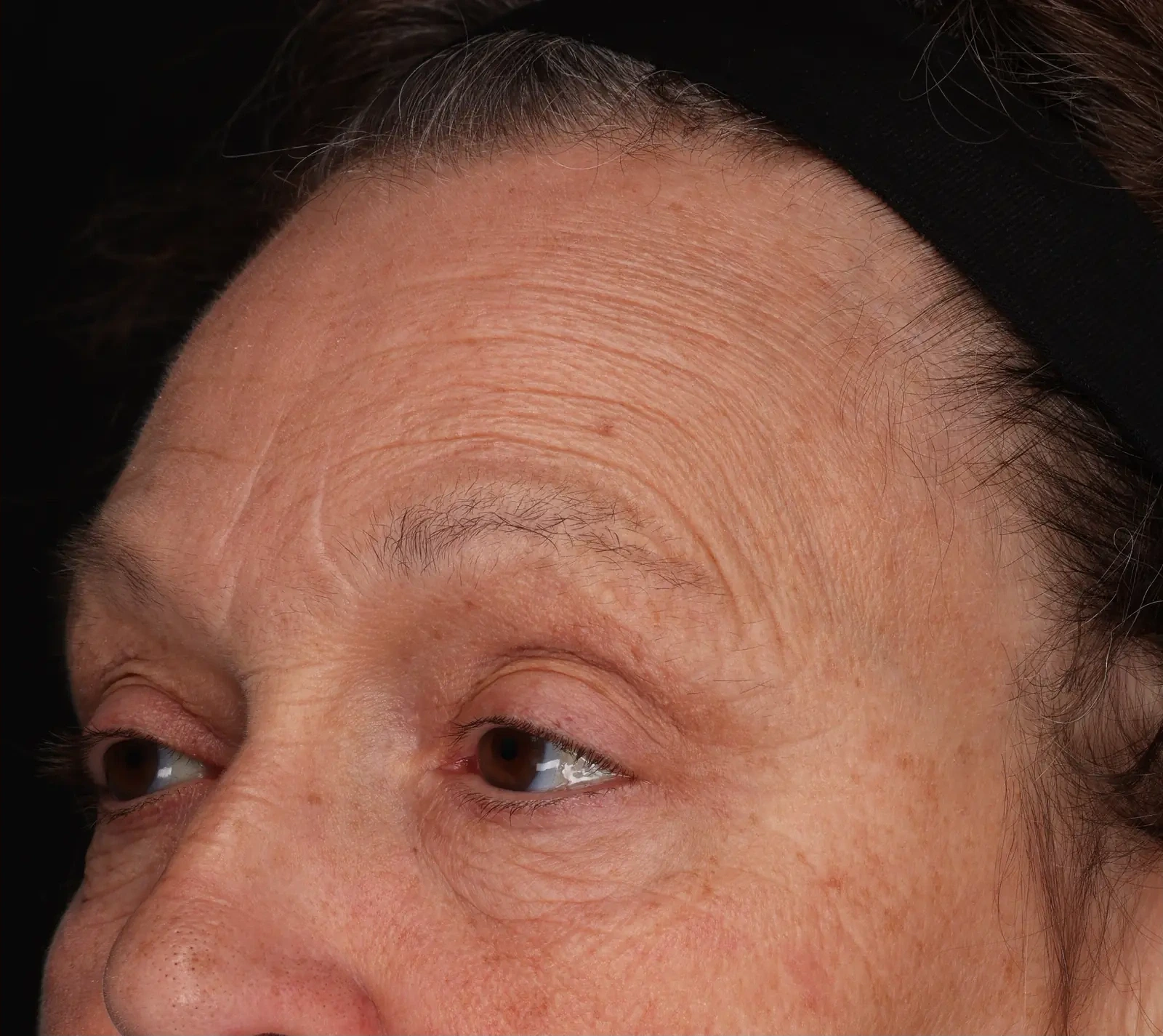
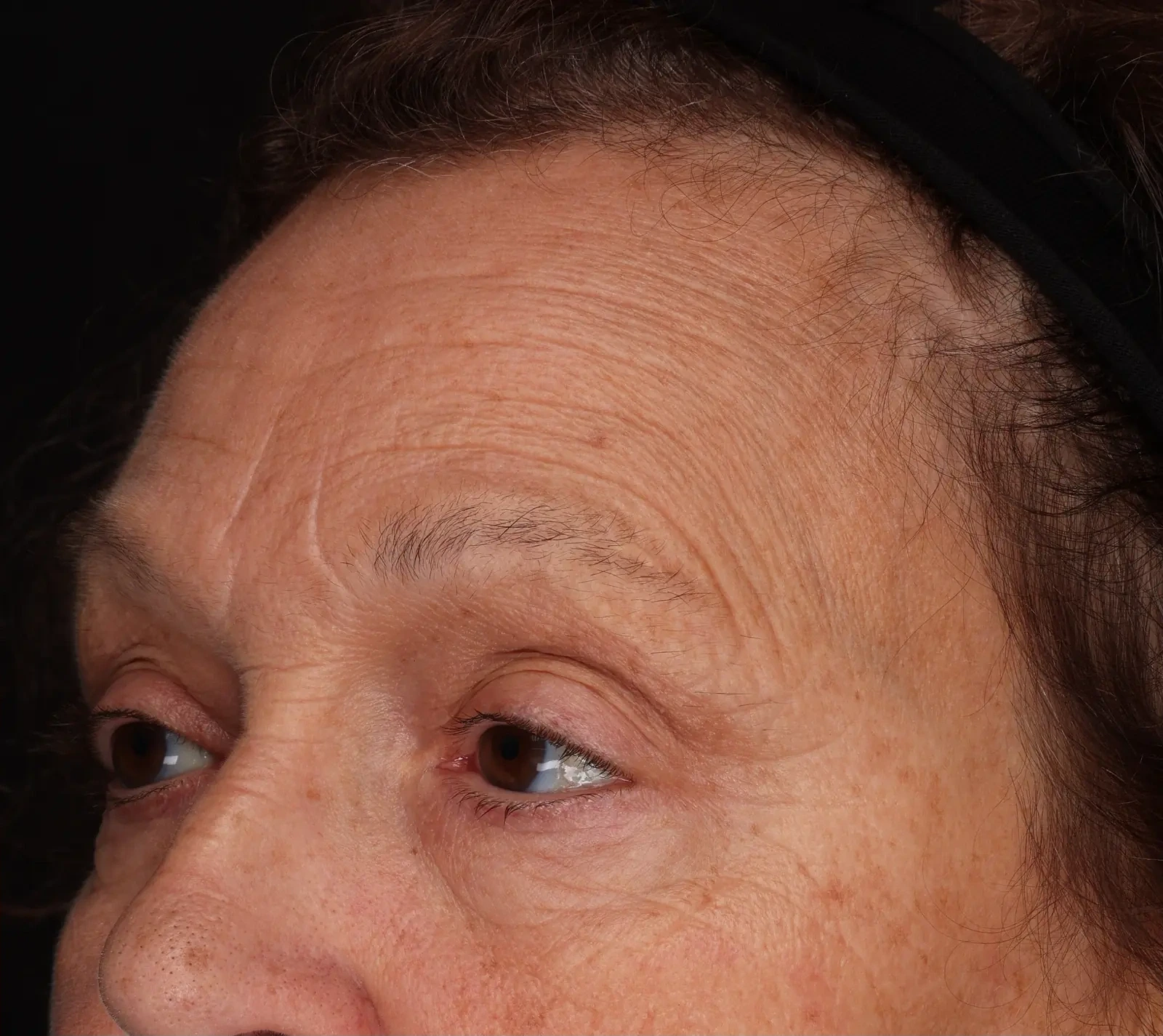
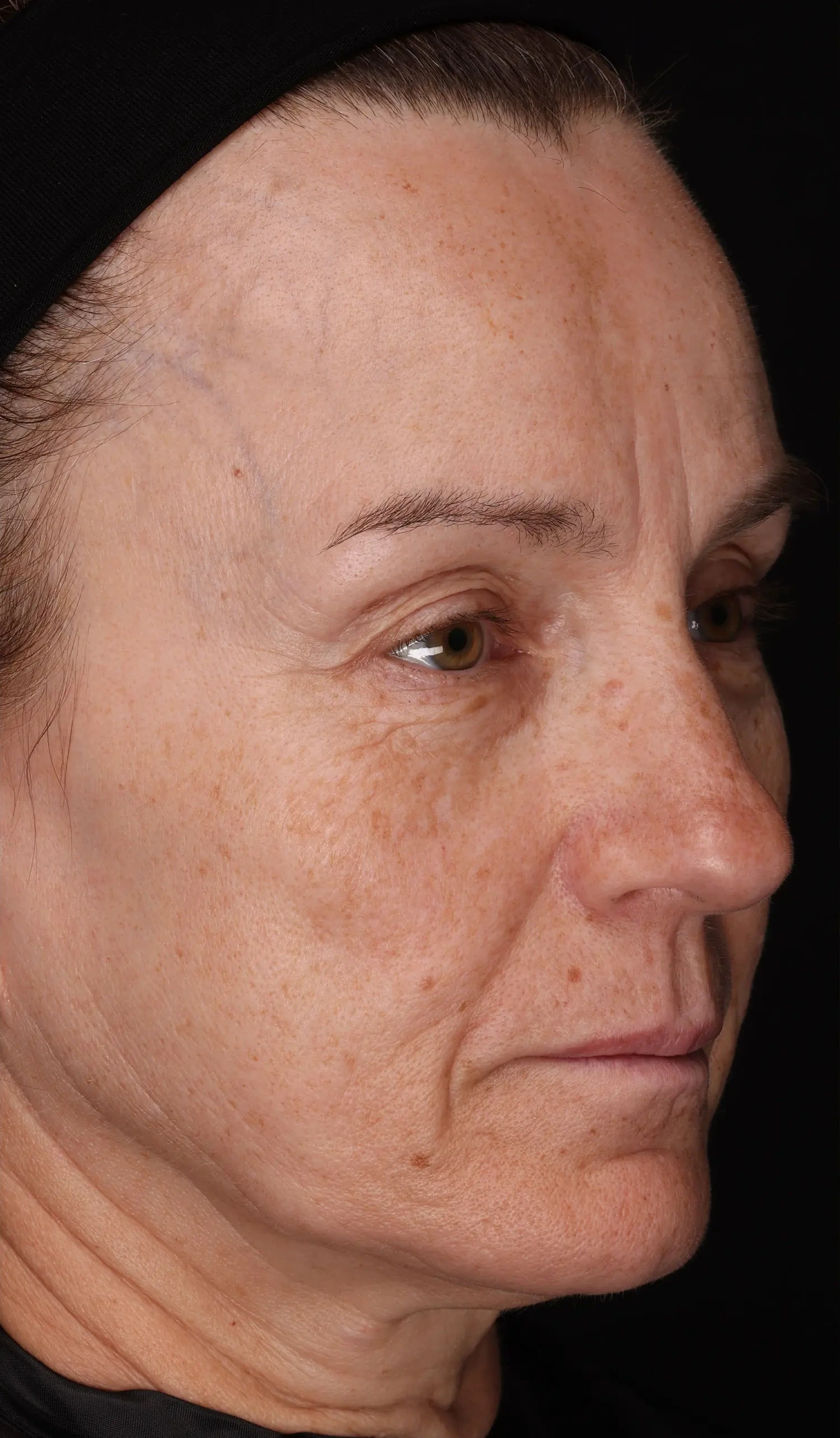
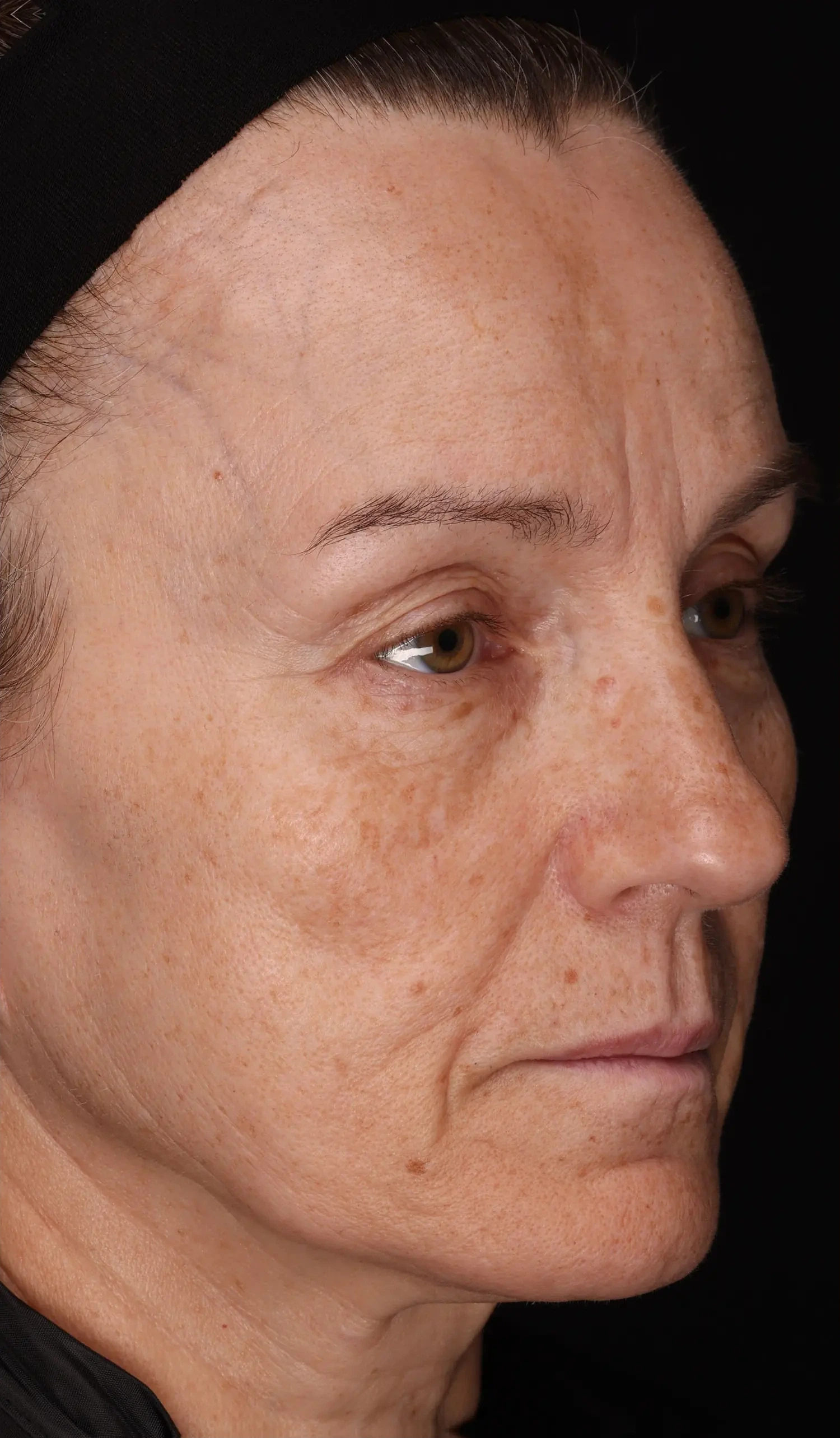
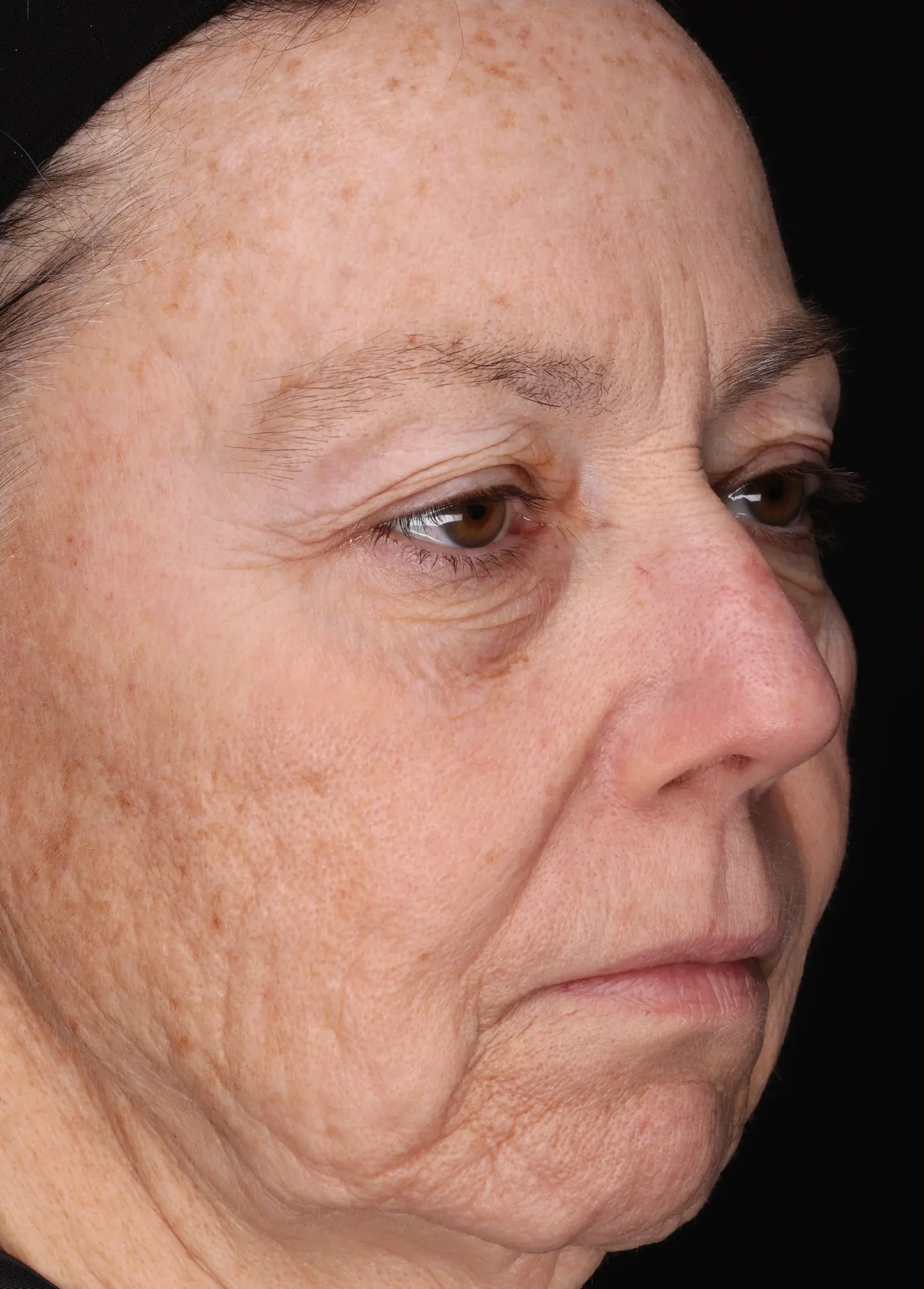
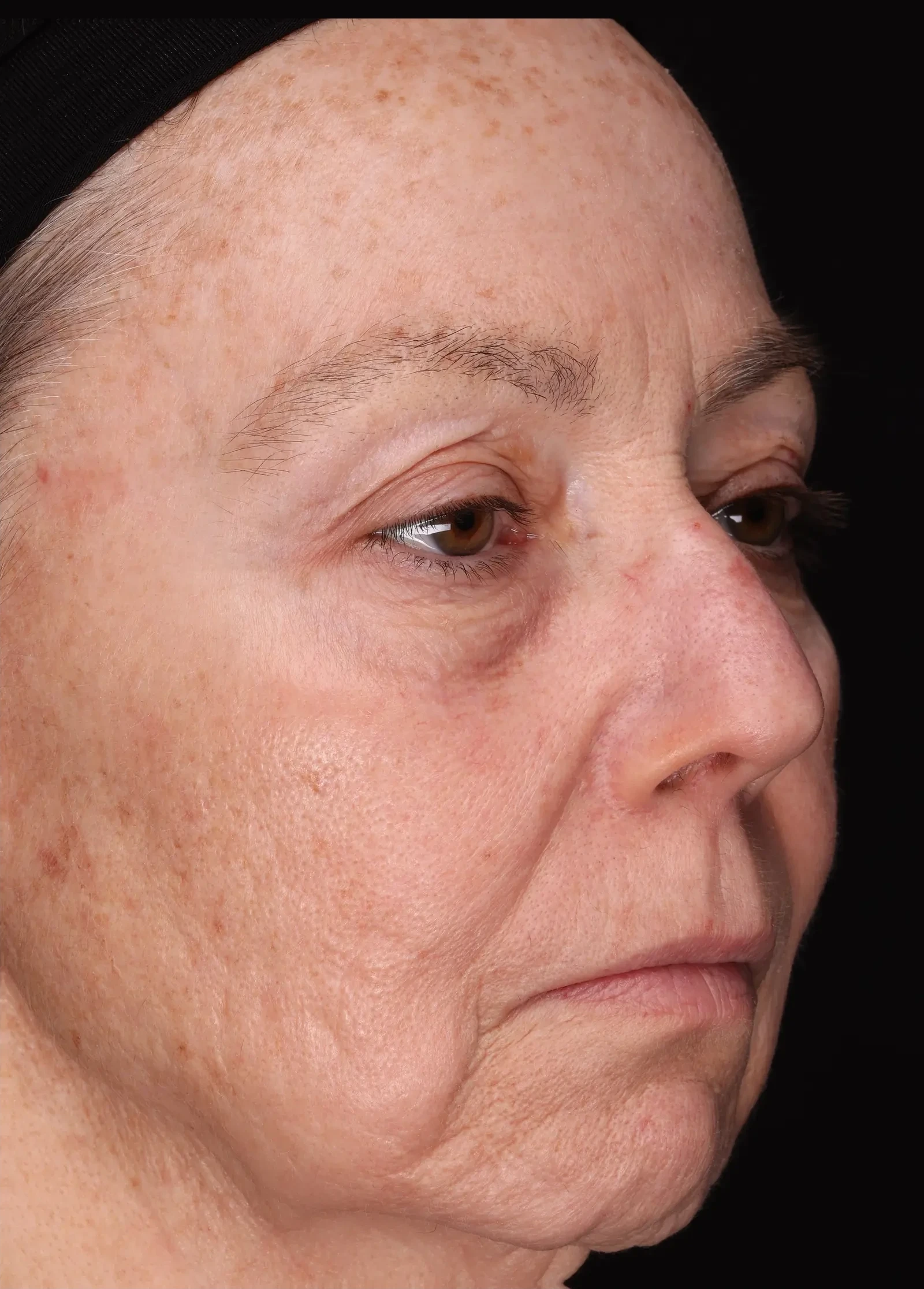
The headband and black background do not make an image look clinical once it is framed well. Cropped to the face or the treated area, these clinical-studio pairs read as clean, bright before and afters.
They hold more detail than a white-background shot, so they still look sharp on a booth wall, a product page or a sell sheet, and every pair lines up.
 BaselineWeek 4BaselineWeek 2
 Baseline
 Week 8
 Baseline
 Week 8
 Baseline
 T1
Body photos need every control we have
Heels, hands and patches of eczema move more than a face does, and there is no natural landmark to line up on. A body before and after only works when the area goes back to the same place, at the same angle, under the same light, at every visit.
That is why the black background is the better choice in almost every body study. It keeps light from bouncing back onto the skin, and pale flakes, cracks and dry patches stand out against it instead of blending into a white backdrop.
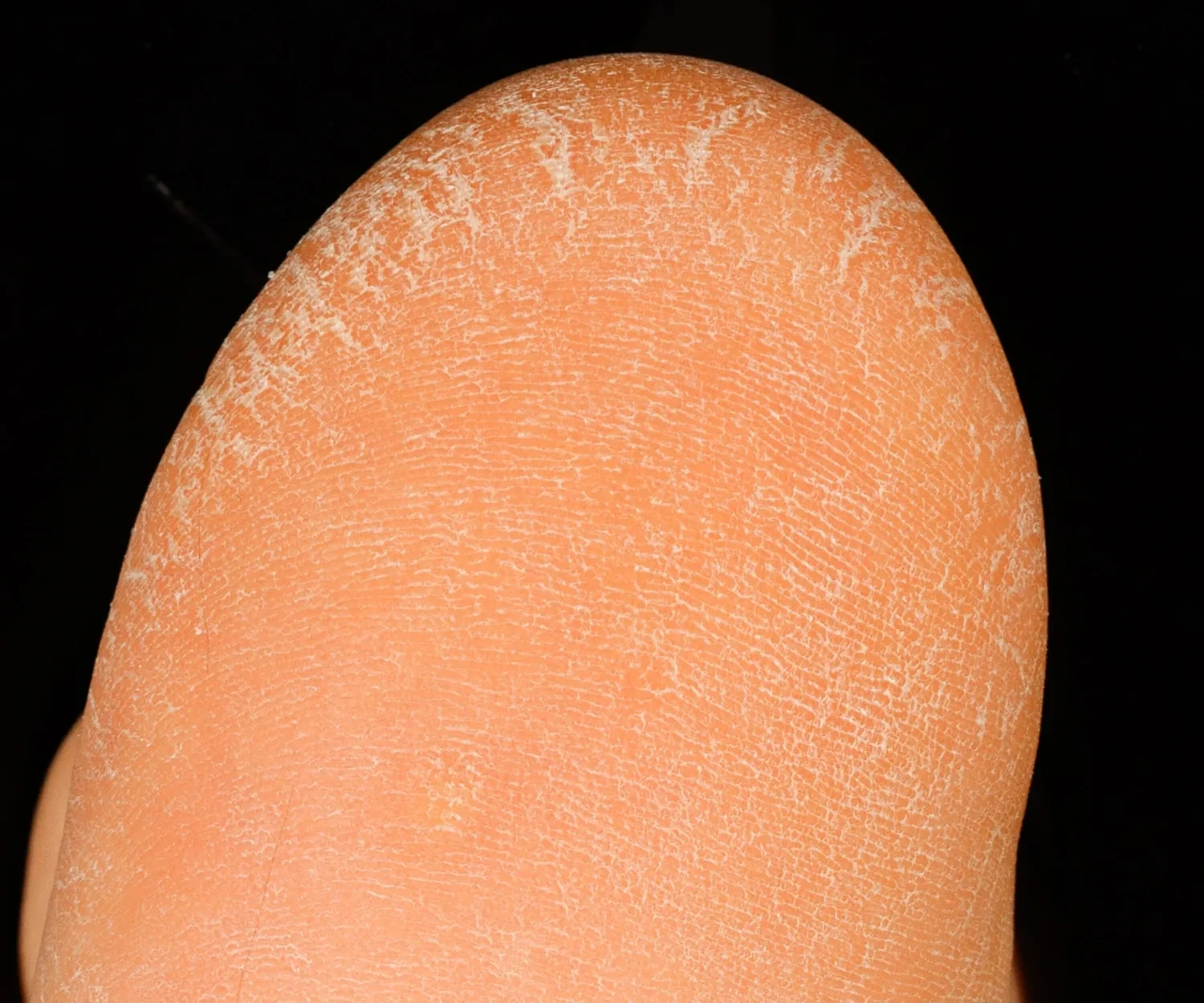
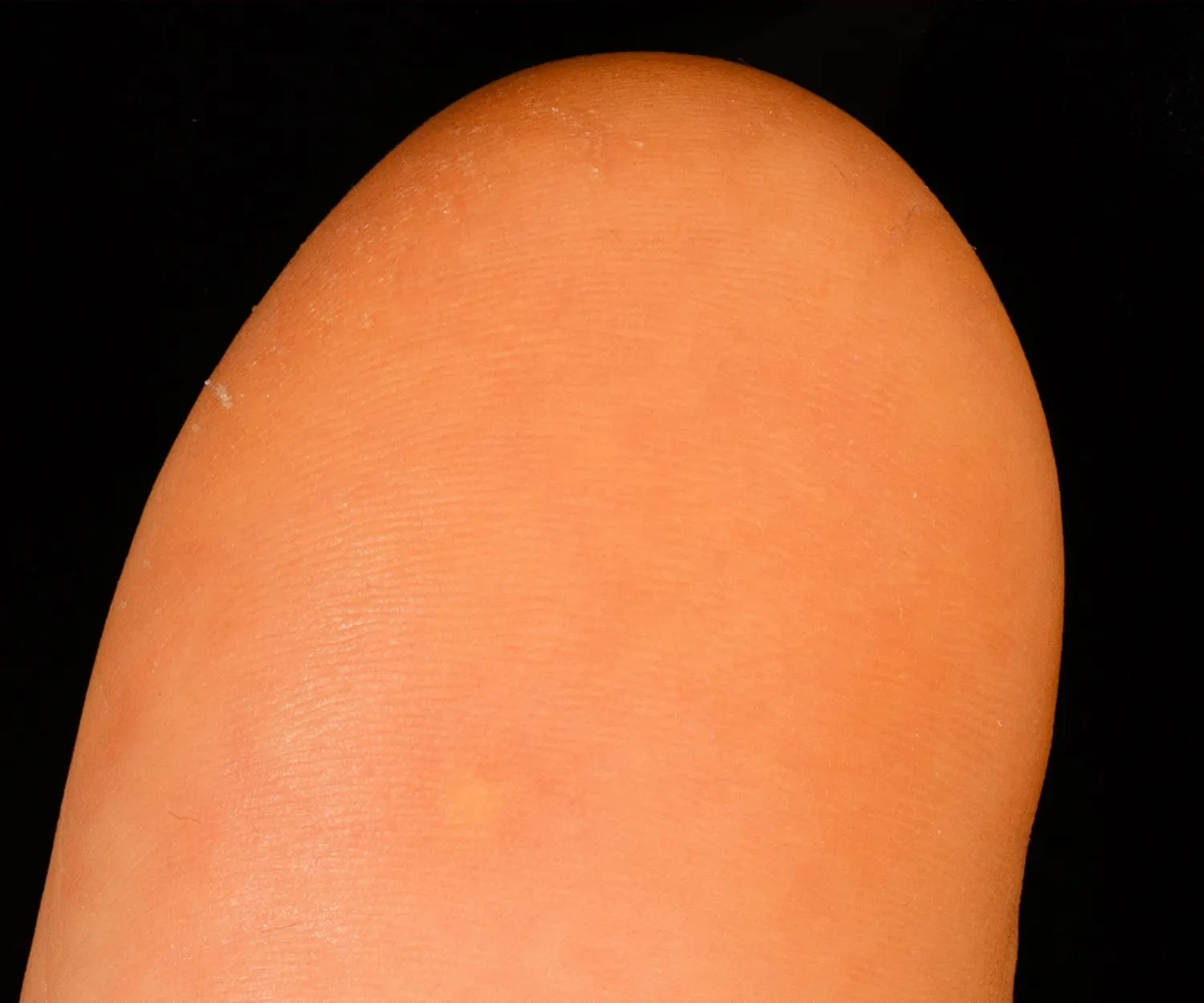
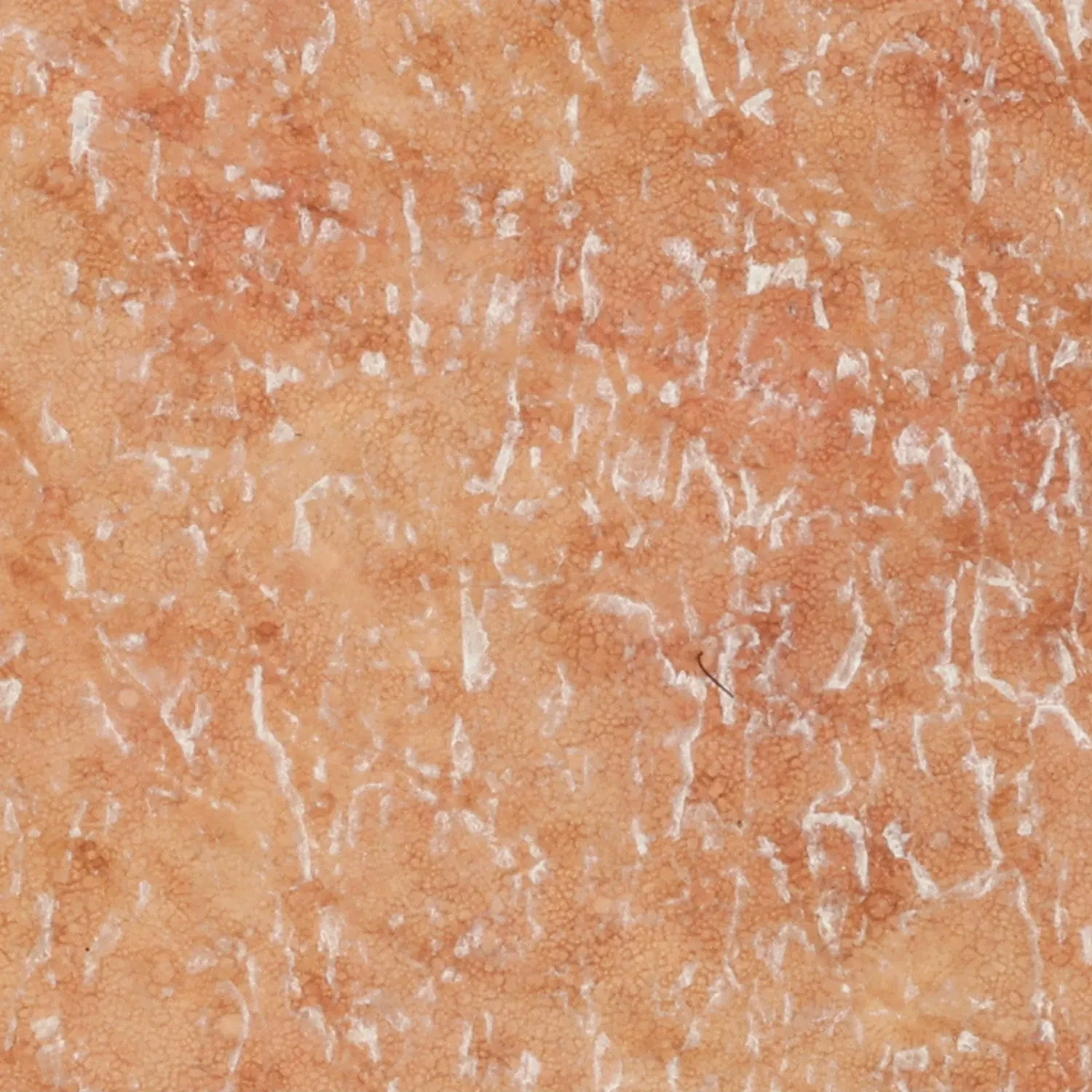
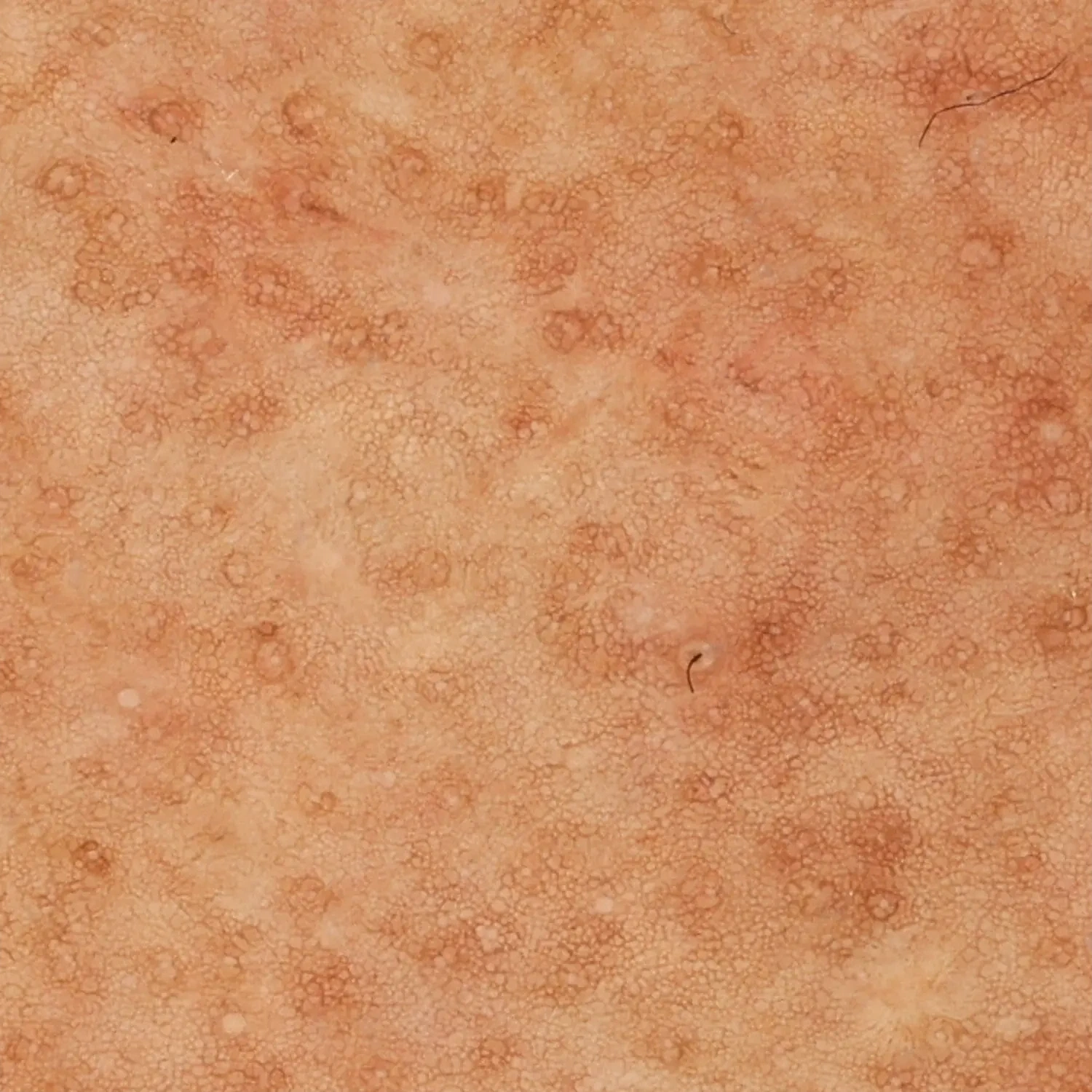
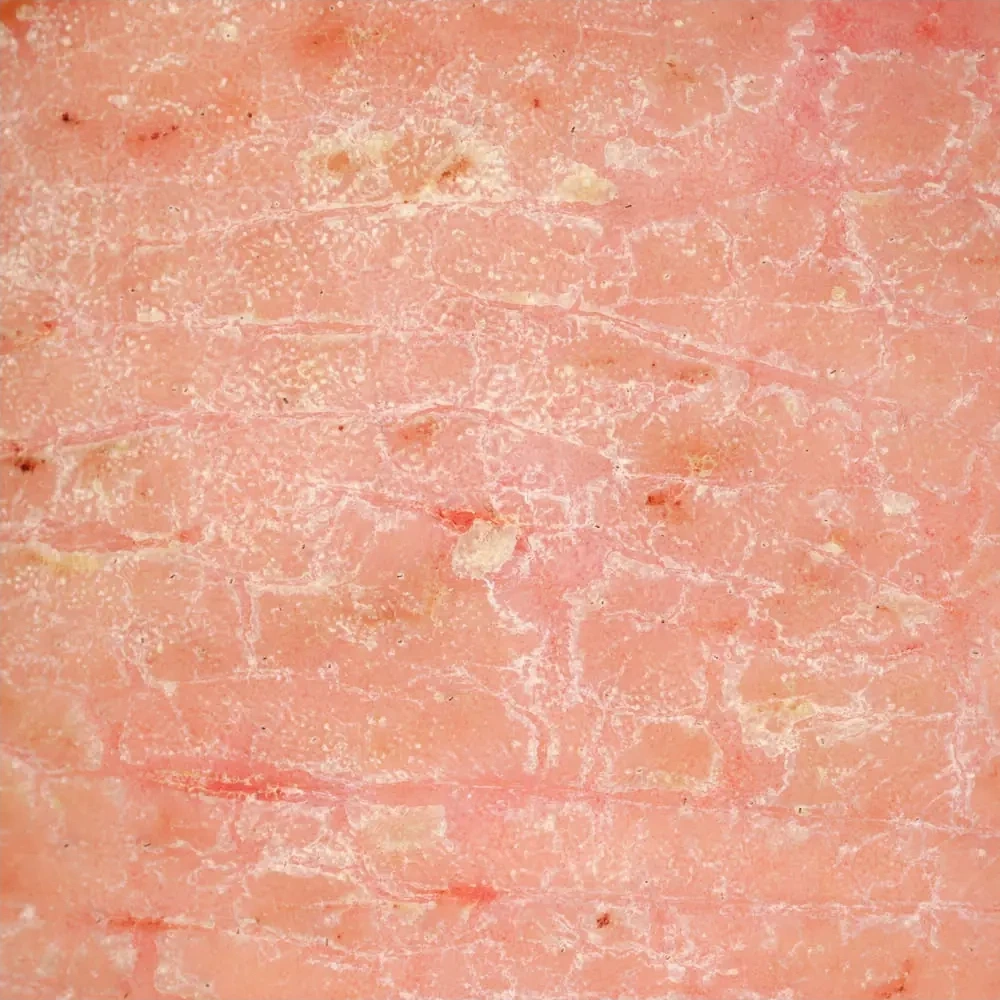
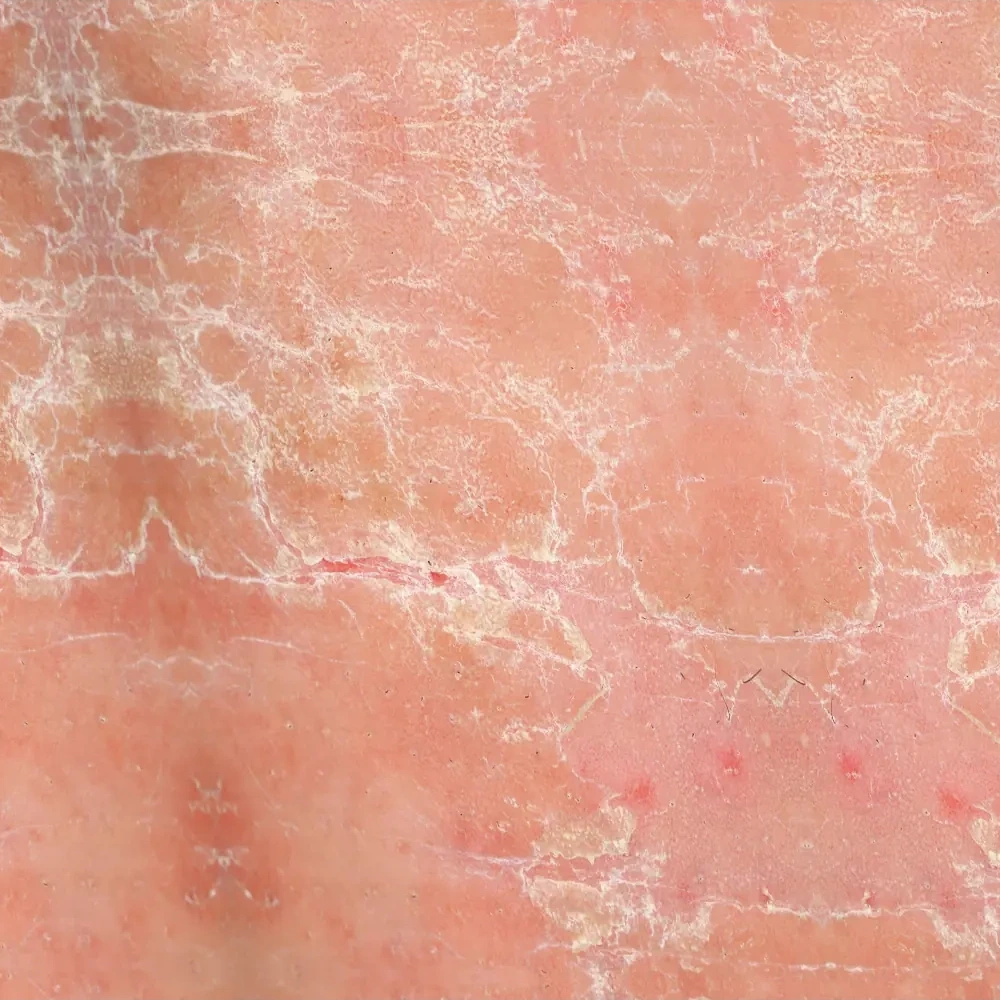
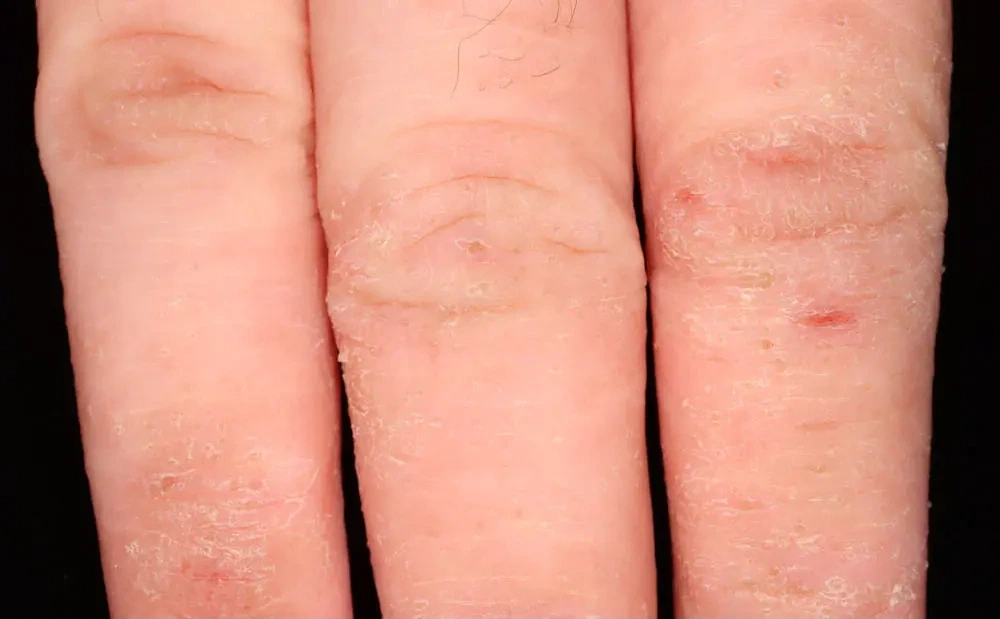
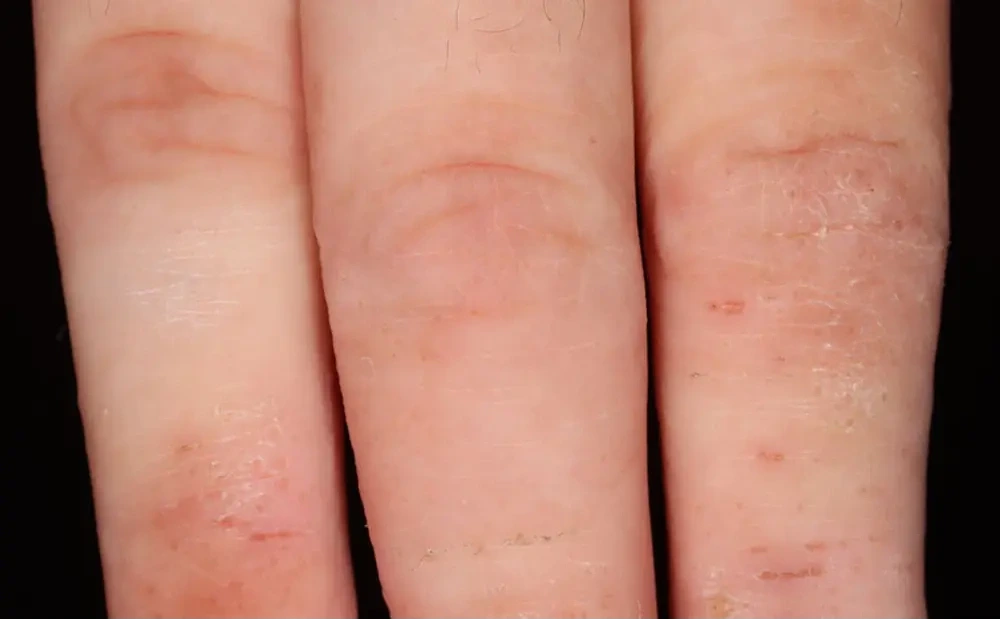
Image analysis is clinical photography only
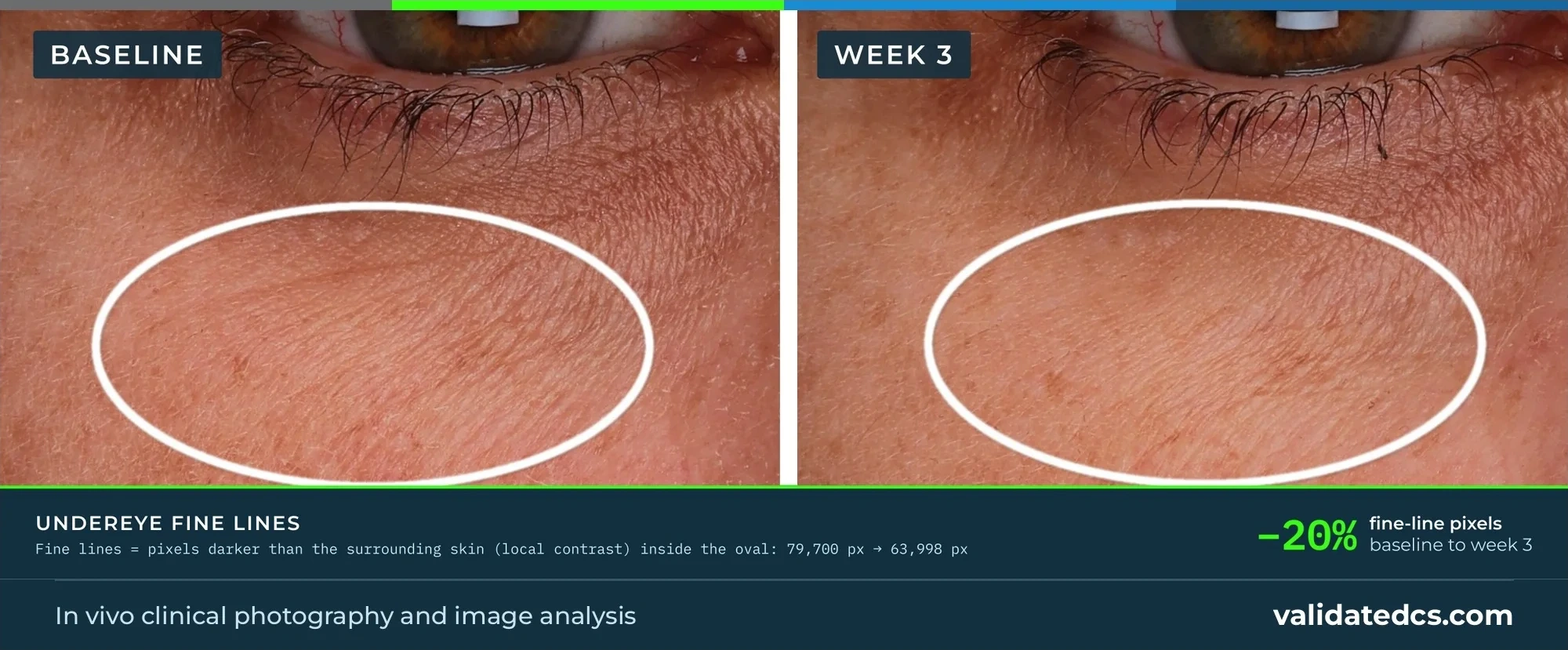
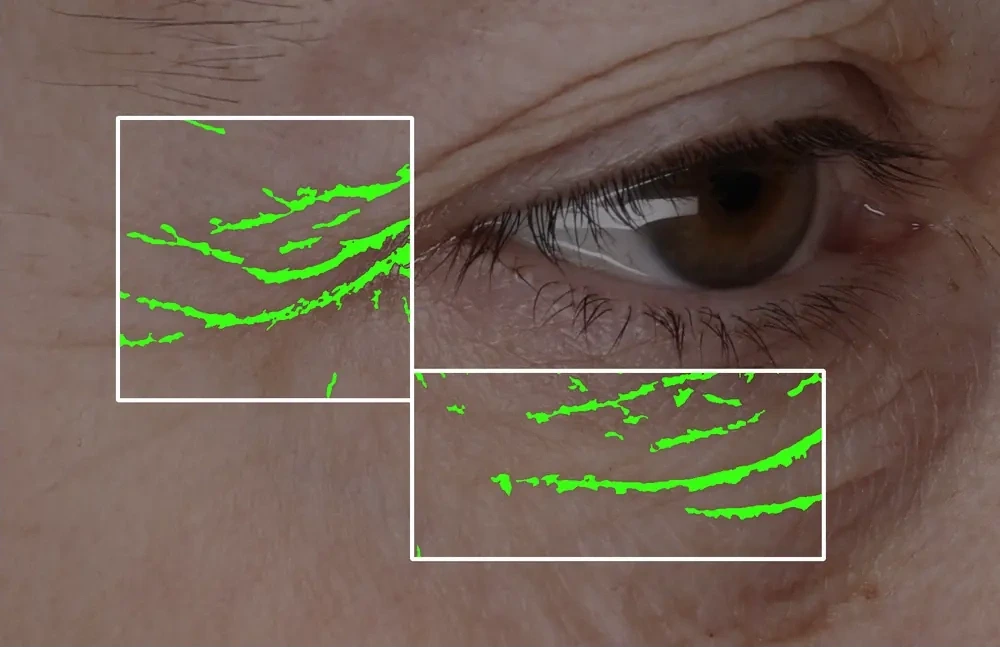
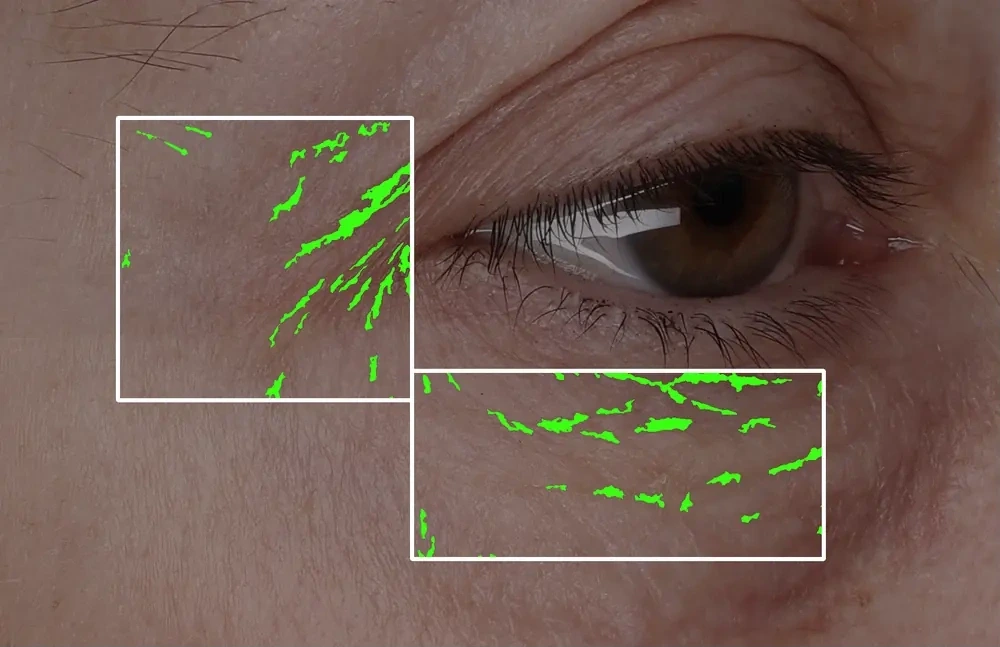
Image analysis counts the pixels that show a condition, such as wrinkles or redness, and compares visits. It only works when every other variable is held still: position, light, hair and background.
The white-background style leaves too many of those free, so we do not offer analysis on marketing photos. If you want a measured result, plan for the clinical studio.
Which one to choose
Marketing photography (limited use cases)
- Full-face results shown whole
- Overall glow, tone or a makeup look
- Social posts, retail listings and specific online use cases
No image analysis. Small changes in position, expression, hair and light are part of the style.
Clinical photography (most use cases)
- Fine lines, wrinkles, pores, texture and spots
- Close-ups and zooms on screen, video or print
- Social media friendly in close-crop scenarios
- Before and afters that line up frame to frame
- Image analysis and a measured percentage
Crop or zoom in, and the black background disappears from view.
You don’t always have to choose
You can shoot a subset of panelists in each style for the same study, such as clinical photography for close-ups and image analysis, and a white background for full-face marketing images. VCS shoots a variety of styles to fit your marketing needs. Ask our team how to cover all of the angles on your next clinical study.
Keep exploring
Learn about VCS Photography
Every part of how we photograph studies: the gallery, how we capture each visit, marketing or clinical style, and a case study shown six ways.
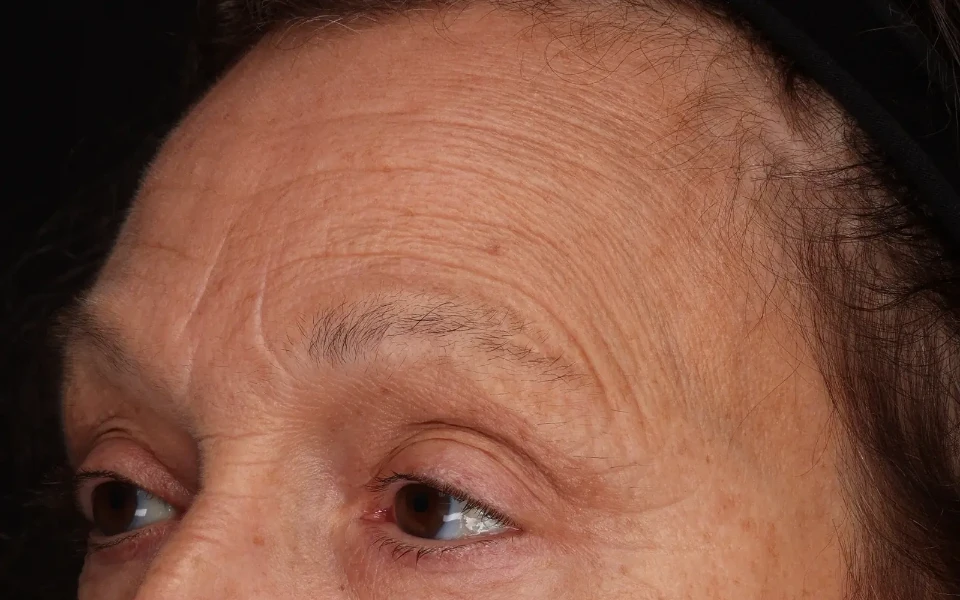 Photography GalleryBefore and afters across face and body, with zoom, sliders and print layouts.See the gallery
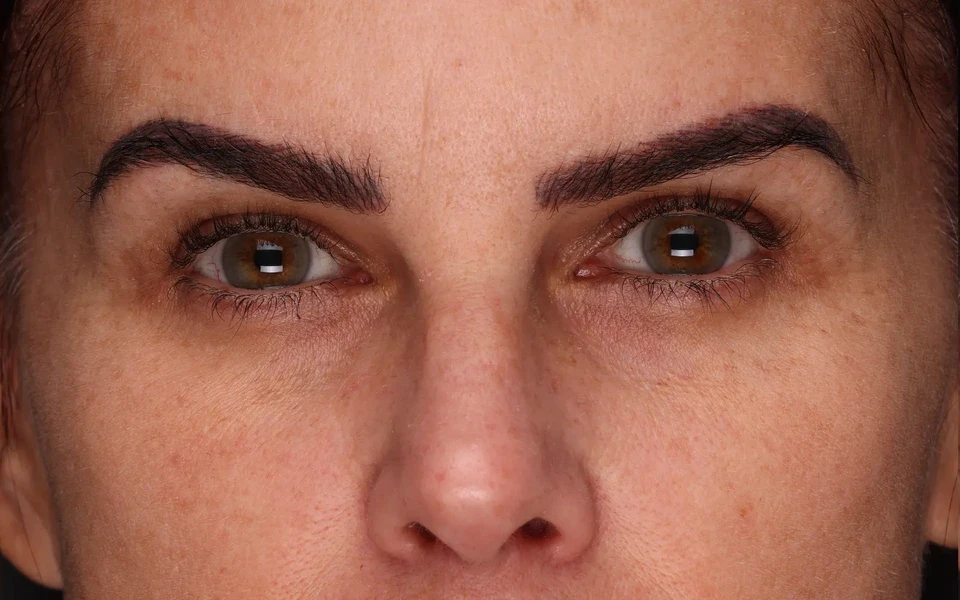 Before and After PhotographyHow our clinical studio captures every visit the same way.How we photograph
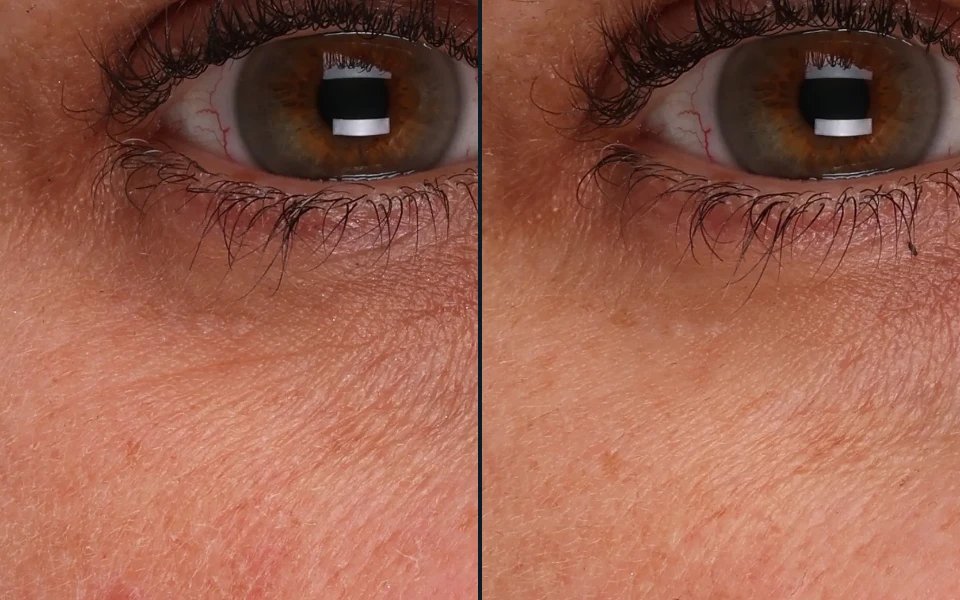 Under-Eye Case StudyOne under-eye study shown six ways, from a scrolling zoom to a measured print layout.See the case study